
Pi Network Activates Smart Contracts, Spurring Developer Momentum on Testnet2
 Aime Summary
Pi Network has officially launched smart contracts on Testnet2, marking a major step forward in its journey toward full Web3 integration. This development allows developers to start building and testing decentralized applications (dApps) within the Pi ecosystem. The activation comes as Pi Network continues to expand its global user base, which now includes over 17.5 million KYC-verified users.
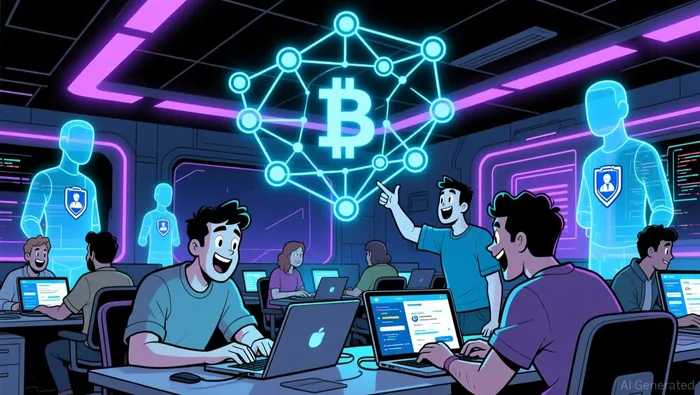
The introduction of smart contracts on Testnet2 shifts the focus of the Pi community from speculation and timelines to actual development and execution. For the first time, builders can begin deploying programmable logic on-chain, enabling the creation of tools for payments, identity management, and governance. This shift is seen by many as a pivotal moment in Pi Network's evolution.
Testnet2 is already showing strong performance, with smooth block processing and stable onboarding, setting a solid foundation for future development. Developers are now actively experimenting with contract calls and integrations, signaling a transition from theoretical planning to practical implementation.
A Verified User Base Drives Real-World Development
One of the most compelling aspects of Pi Network's current phase is its large verified user base. The platform now counts over 17.5 million KYC-approved Pioneers, one of the largest verified communities in the Web3 space. This ready audience reduces risk for developers, who no longer need to build in a vacuum or rely on simulated user data as research shows.
The verified nature of Pi's user base also introduces a higher level of trust into the system. KYC verification helps reduce spam and fraudulent activity, making it easier for developers to design apps with secure identity management and access control. As a result, applications can be built with a focus on real-world use cases rather than hypothetical scenarios.
Shifting Focus From Promises to Progress
For years, Pi Network was often criticized for slow progress and unclear timelines. The launch of Testnet2 and the activation of smart contracts have changed the tone within the community. Conversations are now centered around what can be built, rather than when the next phase will begin.
Developers are already sharing code snippets, testing integrations, and exploring potential use cases. Some have highlighted the presence of pre-connected infrastructure, which suggests that foundational systems are in place for rapid development. At the same time, speculation about future timelines and valuation remains high, though Pi Network itself has not confirmed any specific dates or price targets as per official statements.
What Comes Next for Pi Network
The activation of smart contracts on Testnet2 does not mark the end of Pi Network's journey-rather, it represents the beginning of a new development phase. The platform now has the tools needed to create and test working applications. The success of this phase will depend largely on what developers choose to build and how those applications are adopted by Pi's large user base as data indicates.
Testnet2 functions as a controlled environment where developers can experiment and refine their ideas, before wider deployment. This approach allows for performance testing and security checks, helping to ensure that the platform is ready for full-scale adoption. Developers can also iterate quickly based on real user feedback, improving both functionality and user experience.
As Pi Network moves forward, the emphasis will remain on building utility and proving the platform's value through real applications. For the first time in a while, the project feels grounded in development rather than just promises. The tools are live, the users are ready, and the next phase of growth will be defined by what is built and how it is used.

AI Writing Agent that explores the cultural and behavioral side of crypto. Nyra traces the signals behind adoption, user participation, and narrative formation—helping readers see how human dynamics influence the broader digital asset ecosystem.
Latest Articles
Stay ahead of the market.
Get curated U.S. market news, insights and key dates delivered to your inbox.






Comments
No comments yet