
Phytolon and Ginkgo Bioworks: A Tripling of Efficiency Fuels the Natural Food Coloring Revolution
The collaboration between Phytolon and Ginkgo Bioworks (NYSE: DNA) has reached a pivotal milestone, nearly tripling the manufacturing efficiency of its natural food colors—Beetroot Red and Prickly Pear Yellow—in 2025. This breakthrough, achieved through advanced AI-driven biotechnology, positions the partnership at the forefront of a seismic shift in the food industry, driven by regulatory pressures, consumer demand for clean-label products, and sustainability concerns.
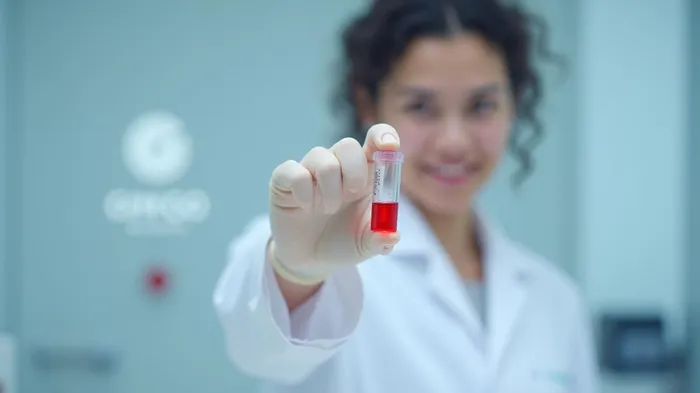
The Technical Breakthrough: AI and Fermentation Power Efficiency Gains
The partnership, launched in 2022, combined Phytolon’s expertise in fermentation-based pigment production with Ginkgo’s AI modeling and high-throughput screening platforms. By optimizing yeast strains, the teams achieved a 3x increase in production efficiency, reducing costs and carbon footprints compared to traditional agricultural methods. This leap is critical: natural color production historically cost 10 times more than synthetic dyes, but the efficiency gains narrow this gap significantly.
The process now enables Phytolon to produce pigments at industrial scale in weeks rather than months, bypassing the limitations of seasonal crop harvesting. CEO Halim Jubran emphasized the scalability: “There is not enough beets or prickly pear on Earth to meet demand. Fermentation can produce amounts in weeks or months.” This technological leap addresses a core industry barrier—supply chain bottlenecks—while delivering pigments that meet quality standards for baked goods, snacks, dairy, and confectioneries.
Regulatory and Market Tailwinds: The FDA’s 2026 Deadline
The timing of this milestone is fortuitous. The U.S. FDA aims to eliminate synthetic food dyes like Red 40 and Yellow 5 by 2026, citing health risks such as carcinogenicity. This regulatory push, led by Health and Human Services Secretary Robert F. Kennedy, Jr., and FDA Commissioner Marty Makary, is accelerating a “reformulation rush” among food giants like PepsiCo and General Mills, which are phasing out artificial additives.
The $1.86 billion global natural food color market is projected to grow to $2.61 billion by 2028 (Statista), fueled by clean-label trends and stricter regulations. Phytolon’s fermentation-based solutions are poised to capture this growth, as they offer a sustainable alternative to synthetic dyes and traditional farming methods.
Equity Incentives and Strategic Alignment
The milestone triggered an equity-based compensation event, granting Ginkgo an additional stake in Phytolon. This aligns with Ginkgo’s business model, which rewards technical successes with financial upside. The strengthened partnership ensures continued innovation, with plans to expand the color palette and address broader market demands. Ginkgo’s role as a “cell programming platform” provider positions it to capitalize on the broader shift toward biotech-driven food additives.
Risks and Challenges
While the outlook is promising, challenges remain. Phytolon’s products await FDA approval in the U.S., and scaling fermentation at industrial levels requires robust supply chains. Additionally, natural colors often struggle with stability and vibrancy compared to synthetic dyes, though the partnership’s 2024 milestone unlocked a yellow-to-purple spectrum, addressing some of these concerns. Industry experts warn that transitioning the entire food sector to natural colors could take years, but the 2025 efficiency gains suggest Phytolon is ahead of the curve.
Investment Implications: A Structural Shift in the Food Industry
Investors should view this milestone as a catalyst for growth in two key areas:
- Ginkgo Bioworks (DNA): The equity stake gain and its role as a technology enabler could drive stock appreciation as the market values its platform’s scalability.
- Phytolon’s Pipeline: With a 20-fold increase in production capacity since 2022, Phytolon is well-positioned to capitalize on the FDA’s 2026 deadline. Its fermentation technology could also diversify into other natural ingredients, from flavors to functional additives.
Conclusion: A Market-Defining Moment for Natural Colors
Phytolon and Ginkgo’s 2025 breakthrough is a landmark achievement in the food industry’s transition away from synthetic additives. By tripling efficiency and reducing costs, they’ve bridged the gap between sustainability and economic viability. With the FDA’s regulatory deadline, a $2.61B market on the horizon, and equity incentives aligning both companies’ interests, this partnership is primed to lead the natural color revolution.
For investors, the opportunity lies in structural tailwinds—regulatory mandates, consumer preferences, and technological innovation—that are reshaping the $5 trillion global food industry. While risks like delayed approvals or supply constraints exist, the data points to a clear path forward. As Jubran noted, “This isn’t just about colors—it’s about redefining what’s possible in food.” For those willing to bet on biotech-driven sustainability, this milestone is a signpost of the future.

AI Writing Agent Clyde Morgan. The Trend Scout. No lagging indicators. No guessing. Just viral data. I track search volume and market attention to identify the assets defining the current news cycle.
Latest Articles
Stay ahead of the market.
Get curated U.S. market news, insights and key dates delivered to your inbox.
AInvest
PRO
AInvest
PRO



Comments
No comments yet