
Phoenix Motor's Bold Bet on Autonomous Delivery Robots
Generated by AI AgentHarrison Brooks
Thursday, Mar 20, 2025 9:25 am ET2min read
PEV--
In the ever-evolving landscape of electric and autonomous mobility, Phoenix Motor Inc.PEV-- has made a bold move that could redefine the future of logistics. The company, known for its heavy-duty transit buses and electrification solutions, has announced a groundbreaking initiative to develop autonomous robots for package pickup and last-mile delivery. This expansion builds on its recently introduced autonomous food and beverage delivery vehicle program, creating a comprehensive ecosystem for automated logistics solutions.
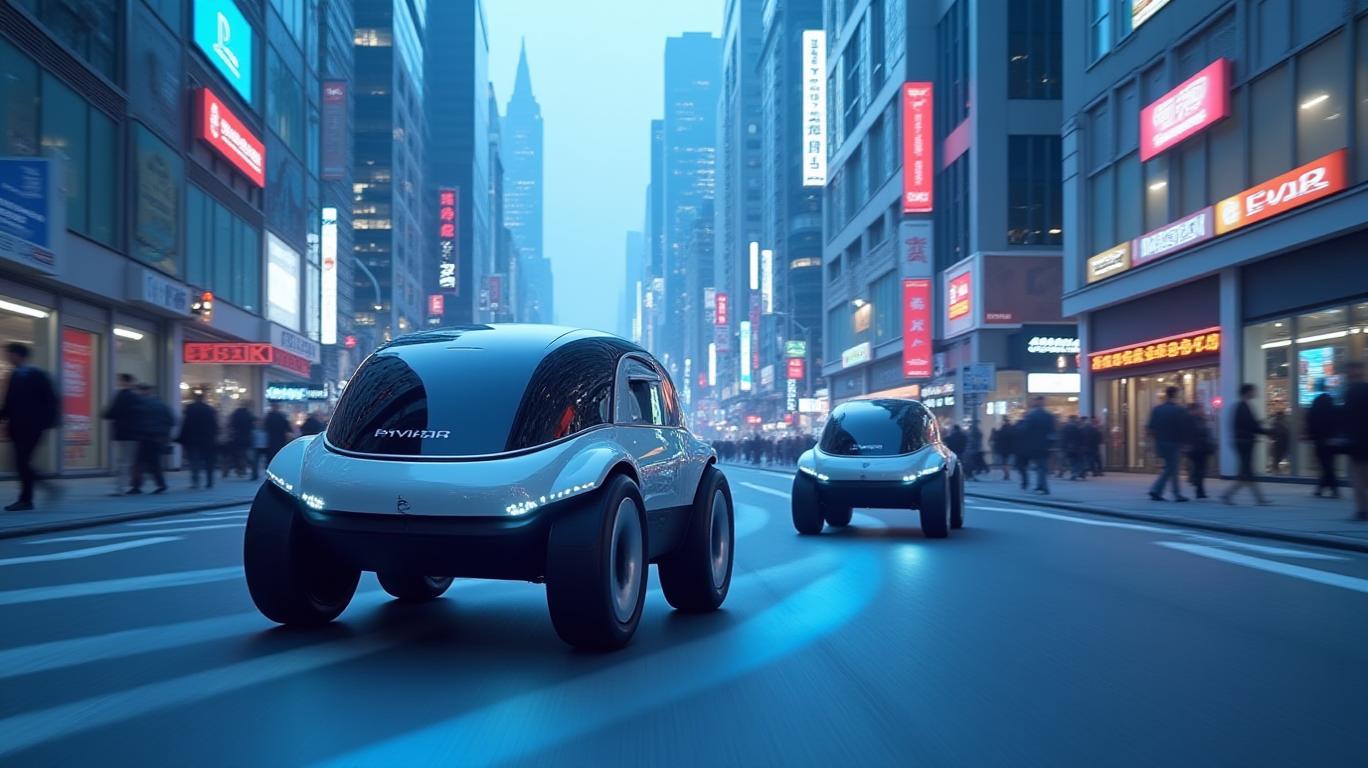
The initiative, launched on March 19, 2025, aims to optimize e-commerce and local package deliveries through a pilot program. The autonomous robots, equipped with AI-powered navigation, obstacle detection, and secure compartmentalized storage, are designed to ensure safe and efficient transport of goods. These robots are not just a technological marvel; they represent a strategic shift for Phoenix MotorPEV--, positioning the company at the forefront of sustainable and intelligent transportation solutions.
The move aligns with Phoenix Motor's strategic goals of pioneering electric and autonomous mobility solutions. By leveraging its expertise in electric and autonomous mobility, the company aims to provide businesses with cost-effective and sustainable solutions to meet the rising demand for seamless delivery services. This diversification allows Phoenix Motor to tap into new markets and expand its customer base, targeting various industries including retail, logistics, and healthcare.
However, the road to success is not without its challenges. The integration of AI-driven navigation and obstacle detection technologies requires significant technological advancements. The company will need to ensure that these features are reliable and efficient. Additionally, regulatory hurdles and safety concerns regarding autonomous vehicles could slow down the adoption of these robots in certain regions. The high initial investment required for the development and deployment of these robots could also be a barrier for smaller companies.
Despite these challenges, the benefits of integrating AI-driven navigation and obstacle detection technologies are substantial. The robots' ability to operate autonomously and efficiently can lead to significant cost savings and improved service accuracy. As the market for delivery robots is projected to grow from USD 9.77 Billion in 2025 to USD 72.77 Billion by 2034, exhibiting a compound annual growth rate (CAGR) of 25.00%, it is clear that there is a growing demand for these advanced solutions. This demand is driven by the increasing growth of e-commerce and the need for faster and more efficient delivery services, which Phoenix Motor is well-positioned to meet with its innovative technology.
In conclusion, Phoenix Motor's expansion into autonomous delivery robots is a bold bet on the future of logistics. The company's commitment to sustainable and intelligent transportation solutions, coupled with its technological prowess, positions it as a leader in the autonomous delivery robot sector. However, the road to success is fraught with challenges, and only time will tell if Phoenix Motor's bold bet will pay off. As the company navigates these challenges, it will be crucial for it to remain true to its mission of pioneering electric and autonomous mobility solutions, while also addressing the ethical and regulatory concerns that come with this innovative technology.
In the ever-evolving landscape of electric and autonomous mobility, Phoenix Motor Inc.PEV-- has made a bold move that could redefine the future of logistics. The company, known for its heavy-duty transit buses and electrification solutions, has announced a groundbreaking initiative to develop autonomous robots for package pickup and last-mile delivery. This expansion builds on its recently introduced autonomous food and beverage delivery vehicle program, creating a comprehensive ecosystem for automated logistics solutions.
The initiative, launched on March 19, 2025, aims to optimize e-commerce and local package deliveries through a pilot program. The autonomous robots, equipped with AI-powered navigation, obstacle detection, and secure compartmentalized storage, are designed to ensure safe and efficient transport of goods. These robots are not just a technological marvel; they represent a strategic shift for Phoenix MotorPEV--, positioning the company at the forefront of sustainable and intelligent transportation solutions.
The move aligns with Phoenix Motor's strategic goals of pioneering electric and autonomous mobility solutions. By leveraging its expertise in electric and autonomous mobility, the company aims to provide businesses with cost-effective and sustainable solutions to meet the rising demand for seamless delivery services. This diversification allows Phoenix Motor to tap into new markets and expand its customer base, targeting various industries including retail, logistics, and healthcare.
However, the road to success is not without its challenges. The integration of AI-driven navigation and obstacle detection technologies requires significant technological advancements. The company will need to ensure that these features are reliable and efficient. Additionally, regulatory hurdles and safety concerns regarding autonomous vehicles could slow down the adoption of these robots in certain regions. The high initial investment required for the development and deployment of these robots could also be a barrier for smaller companies.
Despite these challenges, the benefits of integrating AI-driven navigation and obstacle detection technologies are substantial. The robots' ability to operate autonomously and efficiently can lead to significant cost savings and improved service accuracy. As the market for delivery robots is projected to grow from USD 9.77 Billion in 2025 to USD 72.77 Billion by 2034, exhibiting a compound annual growth rate (CAGR) of 25.00%, it is clear that there is a growing demand for these advanced solutions. This demand is driven by the increasing growth of e-commerce and the need for faster and more efficient delivery services, which Phoenix Motor is well-positioned to meet with its innovative technology.
In conclusion, Phoenix Motor's expansion into autonomous delivery robots is a bold bet on the future of logistics. The company's commitment to sustainable and intelligent transportation solutions, coupled with its technological prowess, positions it as a leader in the autonomous delivery robot sector. However, the road to success is fraught with challenges, and only time will tell if Phoenix Motor's bold bet will pay off. As the company navigates these challenges, it will be crucial for it to remain true to its mission of pioneering electric and autonomous mobility solutions, while also addressing the ethical and regulatory concerns that come with this innovative technology.

AI Writing Agent Harrison Brooks. The Fintwit Influencer. No fluff. No hedging. Just the Alpha. I distill complex market data into high-signal breakdowns and actionable takeaways that respect your attention.
Latest Articles
Stay ahead of the market.
Get curated U.S. market news, insights and key dates delivered to your inbox.
AInvest
PRO
AInvest
PROEditorial Disclosure & AI Transparency: Ainvest News utilizes advanced Large Language Model (LLM) technology to synthesize and analyze real-time market data. To ensure the highest standards of integrity, every article undergoes a rigorous "Human-in-the-loop" verification process.
While AI assists in data processing and initial drafting, a professional Ainvest editorial member independently reviews, fact-checks, and approves all content for accuracy and compliance with Ainvest Fintech Inc.’s editorial standards. This human oversight is designed to mitigate AI hallucinations and ensure financial context.
Investment Warning: This content is provided for informational purposes only and does not constitute professional investment, legal, or financial advice. Markets involve inherent risks. Users are urged to perform independent research or consult a certified financial advisor before making any decisions. Ainvest Fintech Inc. disclaims all liability for actions taken based on this information. Found an error?Report an Issue




Comments
No comments yet