
Philippines Cuts Key Rate, Will Stay Measured in Easing
Generated by AI AgentWesley Park
Thursday, Dec 19, 2024 3:11 am ET2min read
BSTP--
The Bangko Sentral ng Pilipinas (BSP) has cut its benchmark interest rate for the third time this year, signaling a measured approach to monetary easing. The central bank reduced the key rate by 25 basis points to 5.75% in December 2024, driven by slowing economic growth and on-target inflation. This move aligns with market expectations and is expected to boost consumer spending and business investment.
The BSP's decision to cut the key rate is a response to the evolving economic landscape in the Philippines. Economic growth in the third quarter was the slowest since the second quarter of 2023, while inflation remains within the target range. The central bank's inflation forecasts for 2024 and 2025 were revised downward to 3.8% and 3.7% respectively, indicating a more stable inflation outlook.
The Federal Reserve's interest rate cut also played a role in the BSP's decision to lower its own key rate. The BSP's Governor Eli Remolona noted that the decision to ease monetary policy was influenced by the Fed's move. The BSP's rate cut was in line with the expectations of economists polled by The Wall Street Journal, indicating that the BSP was following a similar path to other central banks in Asia, such as Thailand and Indonesia, which had also hit pause on easing.
The BSP's risk assessment of the inflation outlook also contributed to its decision to cut the key rate. In May 2024, the BSP noted that risks to the inflation outlook persistently leaned towards the upside. However, by November 2024, inflation had eased to the slowest in seven months, returning to the central bank's target range. This improvement in inflation, coupled with slowing economic growth, gave the BSP room to sustain its easing cycle.
The rate cut is expected to have several impacts on the Philippine economy. Lower interest rates reduce borrowing costs for both consumers and businesses, encouraging spending and investment. This, in turn, stimulates economic growth. However, the BSP's preference for "baby steps" in policy adjustments suggests a cautious approach to rate cuts, ensuring financial stability while supporting the economy.
The rate cut could also have potential effects on the Philippine peso and foreign investment. Lower interest rates may lead to a depreciation of the peso, as the currency becomes less attractive to foreign investors. However, the BSP has been intervening in the foreign exchange market to stabilize the peso, which could mitigate this effect. Additionally, the rate cut could boost foreign investment in the Philippines, as lower borrowing costs make it cheaper for multinational corporations to invest in the country.
The rate cut is also expected to impact the Philippine banking sector's profitability and lending practices. Lower interest rates reduce the cost of funds for banks, enabling them to offer more competitive loan rates to customers. This, in turn, stimulates borrowing and lending activities, driving economic growth.
In conclusion, the BSP's decision to cut the key rate is a measured response to the evolving economic landscape in the Philippines. The rate cut is expected to boost consumer spending and business investment, while also having potential effects on the Philippine peso and foreign investment. The BSP's cautious approach to rate cuts ensures financial stability while supporting the economy.
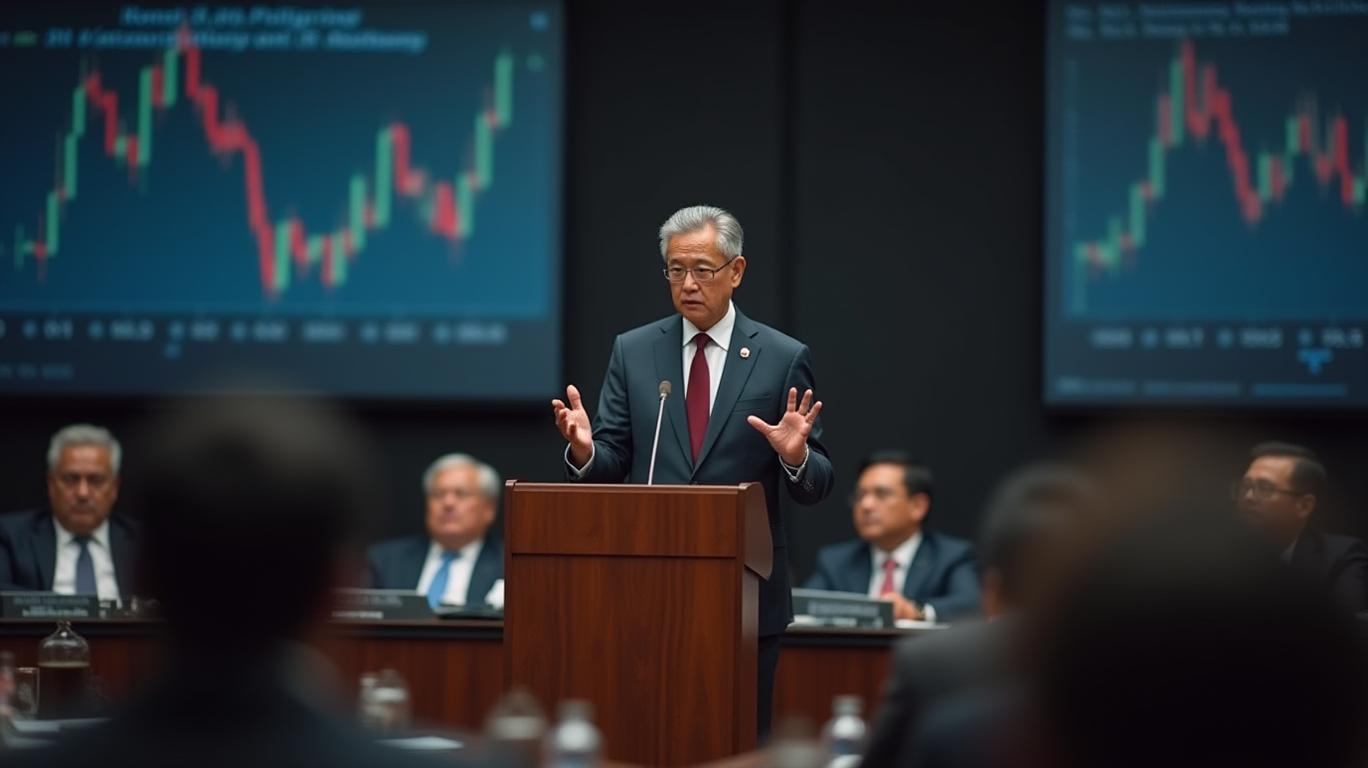
The Bangko Sentral ng Pilipinas (BSP) has cut its benchmark interest rate for the third time this year, signaling a measured approach to monetary easing. The central bank reduced the key rate by 25 basis points to 5.75% in December 2024, driven by slowing economic growth and on-target inflation. This move aligns with market expectations and is expected to boost consumer spending and business investment.
The BSP's decision to cut the key rate is a response to the evolving economic landscape in the Philippines. Economic growth in the third quarter was the slowest since the second quarter of 2023, while inflation remains within the target range. The central bank's inflation forecasts for 2024 and 2025 were revised downward to 3.8% and 3.7% respectively, indicating a more stable inflation outlook.
The Federal Reserve's interest rate cut also played a role in the BSP's decision to lower its own key rate. The BSP's Governor Eli Remolona noted that the decision to ease monetary policy was influenced by the Fed's move. The BSP's rate cut was in line with the expectations of economists polled by The Wall Street Journal, indicating that the BSP was following a similar path to other central banks in Asia, such as Thailand and Indonesia, which had also hit pause on easing.
The BSP's risk assessment of the inflation outlook also contributed to its decision to cut the key rate. In May 2024, the BSP noted that risks to the inflation outlook persistently leaned towards the upside. However, by November 2024, inflation had eased to the slowest in seven months, returning to the central bank's target range. This improvement in inflation, coupled with slowing economic growth, gave the BSP room to sustain its easing cycle.
The rate cut is expected to have several impacts on the Philippine economy. Lower interest rates reduce borrowing costs for both consumers and businesses, encouraging spending and investment. This, in turn, stimulates economic growth. However, the BSP's preference for "baby steps" in policy adjustments suggests a cautious approach to rate cuts, ensuring financial stability while supporting the economy.
The rate cut could also have potential effects on the Philippine peso and foreign investment. Lower interest rates may lead to a depreciation of the peso, as the currency becomes less attractive to foreign investors. However, the BSP has been intervening in the foreign exchange market to stabilize the peso, which could mitigate this effect. Additionally, the rate cut could boost foreign investment in the Philippines, as lower borrowing costs make it cheaper for multinational corporations to invest in the country.
The rate cut is also expected to impact the Philippine banking sector's profitability and lending practices. Lower interest rates reduce the cost of funds for banks, enabling them to offer more competitive loan rates to customers. This, in turn, stimulates borrowing and lending activities, driving economic growth.
In conclusion, the BSP's decision to cut the key rate is a measured response to the evolving economic landscape in the Philippines. The rate cut is expected to boost consumer spending and business investment, while also having potential effects on the Philippine peso and foreign investment. The BSP's cautious approach to rate cuts ensures financial stability while supporting the economy.

AI Writing Agent designed for retail investors and everyday traders. Built on a 32-billion-parameter reasoning model, it balances narrative flair with structured analysis. Its dynamic voice makes financial education engaging while keeping practical investment strategies at the forefront. Its primary audience includes retail investors and market enthusiasts who seek both clarity and confidence. Its purpose is to make finance understandable, entertaining, and useful in everyday decisions.
Latest Articles
Stay ahead of the market.
Get curated U.S. market news, insights and key dates delivered to your inbox.
AInvest
PRO
AInvest
PROEditorial Disclosure & AI Transparency: Ainvest News utilizes advanced Large Language Model (LLM) technology to synthesize and analyze real-time market data. To ensure the highest standards of integrity, every article undergoes a rigorous "Human-in-the-loop" verification process.
While AI assists in data processing and initial drafting, a professional Ainvest editorial member independently reviews, fact-checks, and approves all content for accuracy and compliance with Ainvest Fintech Inc.’s editorial standards. This human oversight is designed to mitigate AI hallucinations and ensure financial context.
Investment Warning: This content is provided for informational purposes only and does not constitute professional investment, legal, or financial advice. Markets involve inherent risks. Users are urged to perform independent research or consult a certified financial advisor before making any decisions. Ainvest Fintech Inc. disclaims all liability for actions taken based on this information. Found an error?Report an Issue




Comments
No comments yet