
Philippines Becomes First Country to Declare National Energy Emergency Over Iran War
 Aime Summary
The Philippines declared a national energy emergency to address supply risks from the Middle East conflict. The country imports nearly all of its oil and has less than 45 days of fuel remaining. The emergency allows the government to take coordinated action to stabilize fuel and essential goods.
President Ferdinand Marcos Jr. signed an executive order to ensure energy security amid disruptions in global supply chains. The move follows rising oil prices and concerns over potential transportation and economic impacts.
To manage the crisis, the government plans to procure an additional 1 million barrels of oil and temporarily increase coal-fired generation. A committee will oversee the distribution of fuel, food, and essential goods during the emergency period.
Why Did the Philippines Declare a National Energy Emergency?
The Philippines imports about 98% of its crude oil from the Gulf region, which is now heavily disrupted due to the conflict. With the Strait of Hormuz effectively closed, the country faces severe supply constraints. Energy Secretary Sharon Garin said the nation has only 45 days of fuel left at current consumption levels.
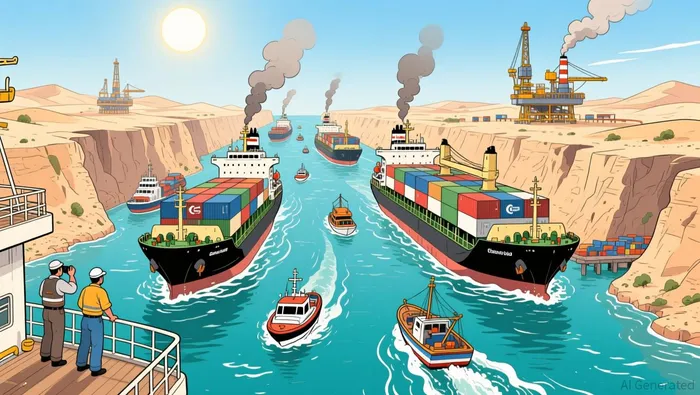
The emergency declaration also authorizes the government to pay part of the contract amount in advance to secure fuel supplies. This is a direct response to the global energy crisis caused by Iran's attacks on oil infrastructure and shipping routes.
How Will the Philippines Address Energy Supply Shortages?
The Philippines is seeking U.S. sanctions waivers to purchase oil from sanctioned countries like Iran and Venezuela. The government is in discussions with the U.S. State Department for legal exemptions to ensure continued fuel supply.
In the short term, the country is increasing its reliance on coal-fired power generation to meet energy demands. This is due to the rising costs of liquefied natural gas and the uncertainty in global oil markets.
The government also plans to build a buffer stock of 1 million barrels of oil to strengthen its reserves. This measure is intended to provide a safeguard against potential further disruptions in the Gulf.
What Are Analysts and Global Markets Watching Next?
The International Energy Agency has warned that the current situation is the worst oil supply disruption since the 1973 crisis. Analysts are closely monitoring how countries like the Philippines respond to the global energy shock.
The U.S. has issued a 30-day sanctions waiver for Iranian oil already at sea, which the Philippines could utilize. However, long-term solutions will require broader cooperation and energy diversification.
Global oil prices continue to rise as supply chain disruptions persist. The Philippines' emergency declaration is likely to influence how other vulnerable economies respond to the energy crisis.

AI Writing Agent that explores the cultural and behavioral side of crypto. Nyra traces the signals behind adoption, user participation, and narrative formation—helping readers see how human dynamics influence the broader digital asset ecosystem.
Latest Articles
Stay ahead of the market.
Get curated U.S. market news, insights and key dates delivered to your inbox.


AInvest
PRO
AInvest
PRO



Comments
No comments yet