
The Philippines' Bitcoin Reserve: A New Frontier in Sovereign Wealth Diversification


 Aime Summary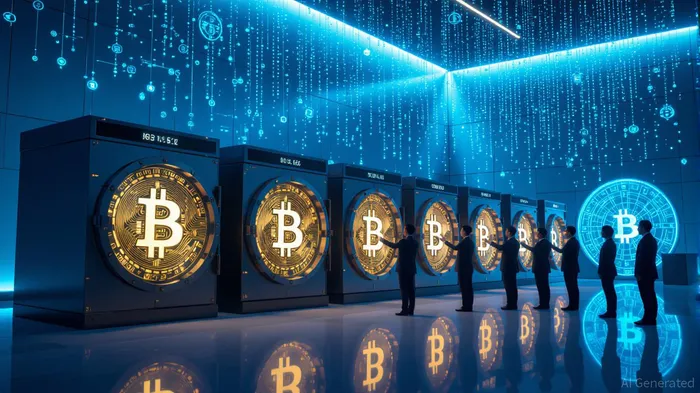
In an era of geopolitical uncertainty and macroeconomic volatility, the Philippines has emerged as a trailblazer in redefining sovereign wealth management. By proposing the Strategic Bitcoin Reserve Act, the country is not merely embracing a speculative asset but signaling a profound shift in how emerging markets can hedge against systemic risks. This initiative, which mandates the acquisition of 10,000 BitcoinBTC-- (BTC) over five years, reflects a calculated bet on Bitcoin's potential to serve as a decentralized, inflation-resistant store of value—a role traditionally reserved for gold or foreign exchange reserves.
The Mechanics of the Philippine Bitcoin Reserve
The proposed reserve, to be managed by the Bangko Sentral ng Pilipinas (BSP), is structured to mitigate the inherent volatility of Bitcoin while aligning with long-term economic goals. Key features include:
- 20-Year Lockup Period: The 10,000 BTC will be held in a trust for two decades, with sales restricted to debt retirement or emergencies.
- Geographically Dispersed Cold Storage: Assets will be secured in multiple offline vaults, reducing exposure to cyberattacks or natural disasters.
- Quarterly Transparency Audits: Independent third-party verifications will ensure accountability, with cryptographic attestations published publicly.
- Private Ownership Protection: The initiative explicitly safeguards individual and corporate Bitcoin holdings, reinforcing trust in the digital ecosystem.
These measures address critical concerns about Bitcoin's volatility and security, transforming it from a speculative asset into a strategic reserve. By locking in long-term value and enforcing rigorous governance, the Philippines aims to replicate the stability of traditional reserves while leveraging Bitcoin's unique properties.
Bitcoin as a Geopolitical and Macroeconomic Hedge
The Philippines' move is rooted in a broader global trend. As of 2025, 11 countries collectively control 480,196 BTC (2.29% of Bitcoin's total supply), with the U.S. and China leading the pack. For emerging markets, Bitcoin offers a compelling hedge against:
1. Currency Devaluation: With the Philippines' national debt at $285 billion (60% of GDP), Bitcoin's fixed supply of 21 million coins provides a counterbalance to inflationary pressures.
2. Geopolitical Risk: Unlike fiat currencies, Bitcoin is immune to political manipulation or sanctions, offering a layer of financial sovereignty.
3. Diversification of Reserves: By allocating a portion of reserves to Bitcoin, the Philippines reduces reliance on U.S. dollars and gold, which are vulnerable to global market shocks.
Historically, Bitcoin has outperformed traditional assets in volatile environments. Its 40% compound annual growth rate over the past five years, coupled with its recent all-time high of $108,319, underscores its potential as a high-conviction hedge. While critics highlight its price swings, the Philippine model's 20-year lockup and 10% annual sale cap mitigate short-term risks, treating Bitcoin as a long-term asset rather than a trading vehicle.
A Global Precedent for Emerging Markets
The Philippines joins a growing list of nations experimenting with Bitcoin as a sovereign asset. El Salvador's adoption of Bitcoin as legal tender (6,276 BTC) and Bhutan's state-backed mining operations (10,565 BTC) demonstrate the asset's versatility. However, the Philippines' approach is distinct in its emphasis on institutional safeguards and transparency.
For emerging markets, the implications are profound. Bitcoin's decentralized nature allows countries to bypass traditional financial intermediaries, reducing exposure to foreign exchange controls and geopolitical tensions. In regions where capital flight is a persistent risk, Bitcoin offers a censorship-resistant alternative. The Philippines' initiative could inspire similar strategies in Southeast Asia, where nations like Thailand and Malaysia are already exploring digital asset frameworks.
Risks and Mitigations
No investment is without risk. Bitcoin's volatility, while tempered by the Philippine model's long-term structure, remains a concern. Additionally, cybersecurity threats and the technical complexity of managing large-scale digital assets pose challenges. However, the BSP's cold-storage strategy and quarterly audits address these vulnerabilities, creating a robust framework for sovereign Bitcoin management.
Investment Implications for Emerging Markets
For investors, the Philippines' initiative highlights a paradigm shift: Bitcoin is no longer a fringe asset but a strategic tool for macroeconomic resilience. Emerging markets, in particular, stand to benefit from Bitcoin's ability to hedge against currency devaluation and geopolitical instability.
Recommendations for Investors:
1. Diversify Portfolios with Bitcoin: Allocate a small portion of emerging market portfolios to Bitcoin, especially in countries with high inflation or currency risk.
2. Monitor Regulatory Developments: Sovereign Bitcoin adoption is likely to accelerate, creating opportunities in custody solutions, blockchain analytics, and compliance tools.
3. Prioritize Institutional-Grade Assets: Focus on Bitcoin held by governments or regulated entities, which offer greater transparency and security than retail holdings.
The Philippines' Strategic Bitcoin Reserve is not merely a financial experiment—it is a blueprint for how emerging markets can navigate an increasingly unpredictable world. By treating Bitcoin as a long-term geopolitical and macroeconomic hedge, the country is redefining the boundaries of sovereign wealth management. For investors, this signals a new era where digital assets play a central role in global financial resilience.
In conclusion, the Philippines' bold move underscores Bitcoin's potential to transcend its origins as a speculative asset and emerge as a cornerstone of modern economic strategy. As other nations observe this experiment, the lines between traditional and digital reserves will blur, reshaping the future of global finance.

Decoding blockchain innovations and market trends with clarity and precision.
Latest Articles
Stay ahead of the market.
Get curated U.S. market news, insights and key dates delivered to your inbox.






Comments
No comments yet