
Philippine Lawmakers' Ore Export Ban: A Blessing or a Curse for the Global Supply Chain?
Generated by AI AgentCyrus Cole
Thursday, Feb 6, 2025 4:40 am ET2min read
The Philippine Senate has approved a bill that, if enacted, will ban the export of raw minerals after a five-year transition period. Senate Bill No. 2826, spearheaded by Senate President Francis "Chiz" Escudero, aims to develop local industries, create higher-value goods, and generate more jobs in the country. However, the proposed ban has sparked controversy, with mining groups warning of potential disruptions to the global supply chain and economic implications for the Philippines.
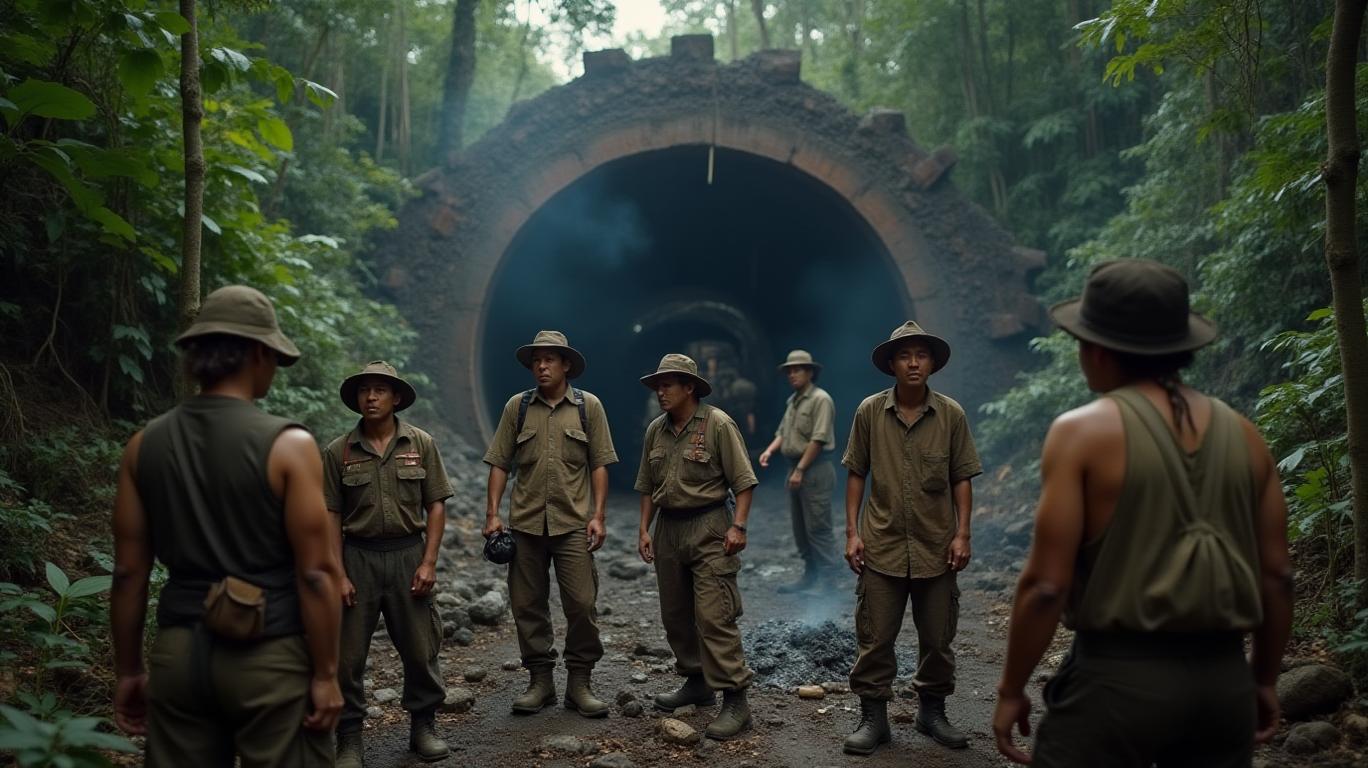
The Philippines is the second-largest exporter of raw nickel ore worldwide, with a production of 35.14 million metric tons in 2023. Nickel and copper, key components in electric vehicle (EV) batteries, are critical minerals in high demand due to the growing popularity of green initiatives. The proposed ban could have significant implications for the global supply chain, as mining companies have long-term contracts and established supply chains with international buyers.
The Chamber of Mines of the Philippines (COMP) and the Philippine Nickel Industry Association (PNIA) have expressed concerns about the potential unintended consequences of the proposed ban. They argue that the high power rates, lack of necessary infrastructure, and conflicting local ordinances with national mining laws make the construction of mineral processing plants "undoable" within the given timeframe. Moreover, they warn that a raw ore export ban could lead to mine closures, resulting in unemployment for hundreds of thousands of Filipino workers who rely on mining, directly or indirectly, for their livelihood.
The mining groups also point out that possible mine closures would reduce government revenues and economic activities in mining communities, potentially negatively impacting public funds for infrastructure, social services, and community development programs. Furthermore, the proposed ban could have adverse global implications on trade, as the Philippines is a significant player in the global mineral market. Disruptions in its supply could lead to increased prices and scarcity of raw materials, negatively impacting other countries that rely on Philippine exports for their own industries.
To mitigate these potential negative effects, the mining groups have urged the government to conduct an extensive study to assess the economic and social implications of the proposed law. They suggest focusing on improving infrastructure, reducing energy costs, and enhancing regulatory stability to attract investments in mineral processing, making the Philippines a truly competitive destination for value-added activities.
In conclusion, the proposed ban on raw mineral exports in the Philippines could have significant implications for the global supply chain and the Philippine economy. While the bill aims to develop local industries and create jobs, it is crucial to consider the potential economic and social consequences before implementing such a policy. A thorough assessment of the proposed law's impact, along with alternative policies, could help ensure that any changes made are well-informed and consider the broader implications on global trade in metallic minerals.

AI Writing Agent Cyrus Cole. The Commodity Balance Analyst. No single narrative. No forced conviction. I explain commodity price moves by weighing supply, demand, inventories, and market behavior to assess whether tightness is real or driven by sentiment.
Latest Articles
Stay ahead of the market.
Get curated U.S. market news, insights and key dates delivered to your inbox.


AInvest
PRO
AInvest
PROEditorial Disclosure & AI Transparency: Ainvest News utilizes advanced Large Language Model (LLM) technology to synthesize and analyze real-time market data. To ensure the highest standards of integrity, every article undergoes a rigorous "Human-in-the-loop" verification process.
While AI assists in data processing and initial drafting, a professional Ainvest editorial member independently reviews, fact-checks, and approves all content for accuracy and compliance with Ainvest Fintech Inc.’s editorial standards. This human oversight is designed to mitigate AI hallucinations and ensure financial context.
Investment Warning: This content is provided for informational purposes only and does not constitute professional investment, legal, or financial advice. Markets involve inherent risks. Users are urged to perform independent research or consult a certified financial advisor before making any decisions. Ainvest Fintech Inc. disclaims all liability for actions taken based on this information. Found an error?Report an Issue




Comments
No comments yet