
Philadelphia Eagles Explore Future of Lincoln Financial Field Amid Stadium Upgrade Talks
 Aime Summary
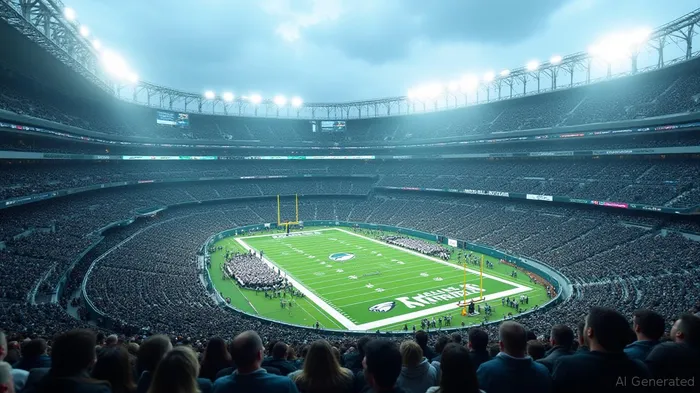
The Philadelphia Eagles are actively exploring options regarding the future of Lincoln Financial Field, their home stadium since 2003. The organization has initiated conversations with its fan base, especially season-ticket holders, through surveys that probe potential renovations to the existing venue or the possibility of constructing a new stadium. Jeffrey Lurie, the team's owner, has expressed a commitment to delivering an exceptional gameday experience for Eagles fans, indicating that feedback collected from these surveys will play a crucial role in shaping decisions going forward.
There is speculation over whether the Eagles will opt to renovate Lincoln Financial Field or pursue a new stadium altogether. The current lease agreement for the stadium is set to expire in 2032, prompting discussions about the long-term plans for their home field. A focus on possibly hosting major events such as the Super Bowl and the NCAA Final Four has fueled the idea of transitioning to a domed stadium, which could offer more opportunities for hosting such events due to its climate control capabilities.
Feedback gathered from surveys indicates a variety of preferences among fans, including the notion of a potential new stadium. The survey questions delve into topics such as location preferences, the nature of the new stadium's roof, and personal seat licenses (PSLs). PSLs, a growing trend for financing stadium projects, allow fans to secure rights to purchase season tickets for a specific seat over the stadium's lifetime, although it is not a requirement at Lincoln Financial Field. Proposed costs for PSLs range significantly, with options from $1,500 to over $140,000 per seat.
Debate has also arisen over the potential incorporation of a roof in the stadium's design, with Lurie’s vision for hosting significant sports and entertainment events in Philadelphia playing a substantial role in these considerations. The Eagles have reportedly held focus groups to discuss the stadium experience, with participants indicating that plans for a new stadium were emphasized, rather than renovations to Lincoln Financial Field. This approach aligns with Lurie’s interest in potentially transitioning to a venue that can host a broader array of marquee events.
The Eagles' proactive efforts in engaging their ticket holders reflect not only a desire to involve fans in the decision-making process but also a strategic move to assess the viability and enthusiasm for significant changes to their longstanding home stadium. As the dialogue progresses, the team faces the complex challenge of balancing the sentimental attachment to Lincoln Financial Field with evolving business opportunities that could arise from a new stadium concept. Such changes could promise increased revenue streams and elevate Philadelphia's standing on the national sports stage.
While the Eagles are just one of several NFL teams contemplating stadium upgrades, the fan feedback collected may significantly influence any eventual decisions. The surveys represent a strategic first step as the team evaluates all options concerning the future of its home field and the potential transition to a state-of-the-art facility that could host premier sports and entertainment events, including the coveted Super Bowl.
While uncertainty remains, the Eagles' exploration of these options indicates a clear forward-thinking approach aimed at enhancing both the fan experience and the functional capabilities of their home field. As these plans develop, the possibility of either a renovated Lincoln Financial Field or a brand new stadium continues to captivate fans, posing significant implications for the team and the broader Philadelphia community.

Stay ahead of the market.
Get curated U.S. market news, insights and key dates delivered to your inbox.


AInvest
PRO
AInvest
PRO



Comments
No comments yet