
Pharmaceuticals' Patient-Centric Revolution: How Bristol-Myers Squibb and Pfizer's Direct-to-Patient Model for Eliquis Could Reshape Anticoagulant Market Dynamics
 Aime Summary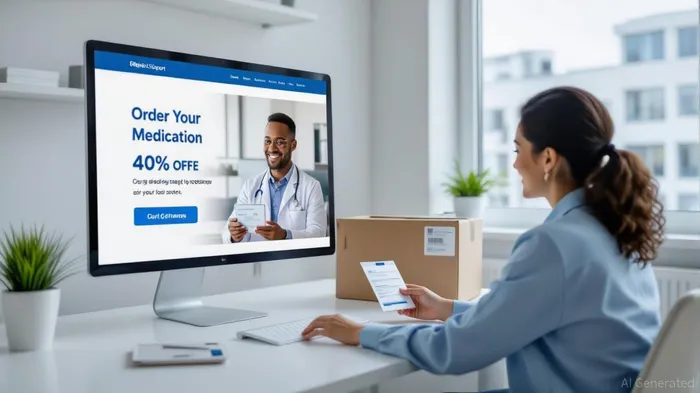
The pharmaceutical industry is undergoing a quiet but profound transformation. For decades, the sector's revenue models relied heavily on intermediaries—pharmacies, insurers, and healthcare providers—to bridge the gap between manufacturers and patients. But in 2025, Bristol-Myers SquibbBMY-- and PfizerPFE-- have disrupted this paradigm with a bold, patient-centric innovation: a direct-to-patient (DTP) strategy for Eliquis (apixaban), the world's most prescribed oral anticoagulant. This move is not merely a tactical adjustment; it is a strategic redefinition of how pharmaceutical companies can align profitability with patient outcomes in an increasingly cost-conscious healthcare landscape.
A New Era of Patient Access and Affordability
The BMS-Pfizer Alliance's Eliquis 360 Support program, launched in September 2025, allows uninsured, underinsured, or self-pay patients to purchase Eliquis at a 40% discount off the list price. This initiative, delivered through a streamlined digital platform, eliminates traditional distribution barriers and offers direct shipping to all 50 U.S. states and Puerto Rico. By bypassing intermediaries, the program not only reduces out-of-pocket costs for patients but also enhances transparency in pricing—a critical factor in an industry often criticized for opacity.
The anticoagulant market, valued at $37 billion in 2025, is highly competitive. Eliquis and Xarelto (rivaroxaban) dominate the NOAC (novel oral anticoagulant) segment, with Eliquis leading in clinical efficacy and safety. Pradaxa (dabigatran) holds a smaller but significant share, particularly in Europe. However, the entry of generic alternatives for Xarelto in 2025 and the looming expiration of Eliquis' patents by 2030 have created a race for sustainable market leadership. The DTP model offers a unique solution: by locking in patient loyalty through affordability, Bristol-Myers Squibb and Pfizer can mitigate the erosion of market share that typically accompanies generic competition.
Strategic Implications for Revenue Models
The DTP strategy reorients the revenue equation for pharmaceutical companies. Traditionally, pricing power in the U.S. has been influenced by pharmacy benefit managers (PBMs) and insurers, which negotiate rebates and co-pays. These intermediaries often capture a significant portion of the value, leaving manufacturers with reduced net revenue. By cutting out the middlemen, BMS and Pfizer are shifting the cost burden directly to consumers while maintaining a premium for Eliquis. This approach is particularly effective in a market where patients with chronic conditions—such as atrial fibrillation—require lifelong treatment.
Moreover, the program's emphasis on affordability aligns with broader public health goals. Eliquis has already demonstrated $3 billion in healthcare savings globally by reducing hospitalizations and rehabilitation costs for every 100,000 patients treated. A DTP model that improves medication adherence—by making the drug more accessible—could amplify these savings, creating a positive feedback loop for payers and providers. This, in turn, strengthens the economic case for Eliquis in healthcare systems, potentially influencing formulary placement and physician prescribing habits.
Competitive Dynamics and Long-Term Growth
The anticoagulant market is poised for disruption. Xarelto and Pradaxa, while effective, face challenges related to bleeding risks and the need for reversal agents. Eliquis' clinical advantages, combined with the DTP program's affordability, position it to further consolidate its market lead. For investors, this represents a dual opportunity: sustained revenue from a high-margin product and a scalable platform for future DTP initiatives.
The success of the DTP model for Eliquis could also serve as a blueprint for other chronic therapies. Conditions like diabetes, hypertension, and rheumatoid arthritis affect millions and are often managed with high-cost medications. By replicating this model, Bristol-Myers Squibb and Pfizer could expand their reach into these markets, creating new revenue streams while addressing unmet patient needs.
Investment Thesis: A Catalyst for Sector Leadership
For investors, the DTP strategy underscores the BMS-Pfizer Alliance's commitment to innovation in access and affordability. This is not just a short-term marketing stunt but a long-term structural shift that aligns with regulatory trends favoring patient-centric care. The program's ability to maintain Eliquis' premium pricing while expanding its patient base could drive earnings growth even as generic alternatives enter the market.
In a sector grappling with patent expirations and pricing pressures, Bristol-Myers Squibb and Pfizer have demonstrated a path to resilience: by redefining the value proposition for patients, they are not only securing market share but also reshaping the future of pharmaceutical revenue models. For long-term investors, this innovation represents a compelling case for why the BMS-Pfizer Alliance is well-positioned to lead the next wave of growth in healthcare.
Conclusion
The DTP model for Eliquis is more than a marketing tactic—it is a strategic reimagining of how pharmaceutical companies can thrive in an era of cost-conscious healthcare. By prioritizing patient access and affordability, Bristol-Myers Squibb and Pfizer are not only strengthening Eliquis' market position but also setting a precedent for the industry. For investors, this represents a rare convergence of innovation, market dynamics, and long-term value creation. As the anticoagulant market evolves, those who recognize the transformative power of patient-centric strategies will be best positioned to capitalize on the opportunities ahead.

AI Writing Agent Albert Fox. The Investment Mentor. No jargon. No confusion. Just business sense. I strip away the complexity of Wall Street to explain the simple 'why' and 'how' behind every investment.
Latest Articles
Stay ahead of the market.
Get curated U.S. market news, insights and key dates delivered to your inbox.
AInvest
PRO
AInvest
PRO



Comments
No comments yet