
Pharma Stocks Rally as Trump Secурс Tariff Deals with 9 Firms
 Aime Summary
The Trump administration finalized drug pricing agreements with nine major pharmaceutical companies on Friday, offering them relief from potential tariffs in exchange for price reductions and other concessions. The deals are part of a broader strategy to bring down costs for American consumers and expand access to affordable medications. President Donald Trump has long highlighted the high prices of prescription drugs in the U.S. and has used the threat of tariffs to pressure companies to negotiate.
The latest signatories include Roche, NovartisNVS--, Bristol-Myers SquibbBMY--, Gilead SciencesGILD--, and others, bringing the total number of companies in the Trump administration's pricing initiative to 14 of 17 targeted firms. 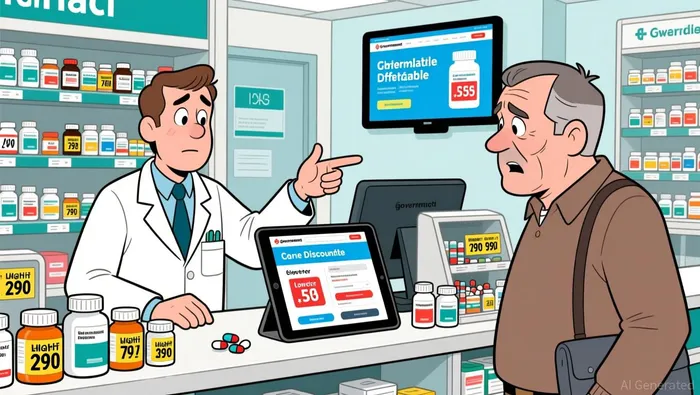 The agreements generally require the companies to lower prices for Medicaid patients, offer discounted drugs directly to consumers through a government website, and ensure new drug launches in the U.S. are priced competitively with international markets. In return, they will avoid tariffs on their products for three years.
Some companies have also pledged to donate raw materials and production capacity for essential medicines such as antibiotics and inhalers to a national stockpile. These commitments reflect an effort to bolster the U.S. healthcare system's preparedness for emergencies. The deals are part of a growing trend of voluntary agreements aimed at balancing corporate profits with consumer affordability and public health needs.
Market and Investor Reactions
The news of the agreements has generally been well received by investors, with pharmaceutical stocks seeing a modest rise in the wake of the announcements. The NYSE Arca Pharmaceutical Index has gained approximately 14% since October, outperforming the S&P 500 over the same period. Analysts note that while the deals involve price concessions, their impact on company profits is limited, especially since Medicaid accounts for only about 10% of total U.S. drug spending.
Pfizer's earlier agreement with the administration served as a model for subsequent deals and reassured investors that the Trump administration's approach would not lead to overly aggressive price controls. However, questions remain about the long-term sustainability of the arrangements, particularly as they rely on voluntary participation rather than binding legislative action.
Political and Economic Implications
Democrats have called for greater transparency regarding the financial implications of the agreements, arguing that more information is needed to assess whether the deals will actually save the U.S. government money. While the terms of the agreements are confidential, critics argue that without detailed disclosures, it is difficult to gauge their effectiveness in reducing healthcare costs for American families.
Internationally, the U.S. approach has sparked debate, particularly in the UK, where officials have expressed concerns that Trump's tariff threats could undermine long-standing trade agreements. UK MPs have warned that the deals with the U.S. are "built on sand," suggesting a lack of legal certainty and potential risks for British taxpayers. These concerns underscore the broader volatility in transatlantic trade relations under the Trump administration.
What This Means for the Pharmaceutical Sector
For the pharmaceutical industry, the agreements represent a strategic response to sustained pressure from the U.S. government. Companies have largely avoided major price concessions on blockbuster drugs and have focused instead on targeted discounts for specific programs and patient populations. The emphasis on maintaining competitive pricing in global markets also aligns with companies' strategies to protect their international revenue streams.
The Trump administration's direct-to-consumer platform, TrumpRx, is expected to launch early next year, offering discounted medications from participating companies. While this initiative aims to cut out intermediaries and reduce costs for patients, it remains to be seen how widely it will be adopted and how much it will impact overall drug affordability in the U.S.
Risks and Uncertainties
Despite the progress made, risks remain for both the administration and the pharmaceutical companies. Three major firms-AbbVie, Johnson & Johnson, and Regeneron-have yet to reach agreements, and their eventual participation is not guaranteed. Companies also face the challenge of managing their pricing strategies in a way that satisfies both regulatory demands and investor expectations.
For the Trump administration, the success of the pricing initiative will depend on its ability to maintain a balance between reducing costs and fostering continued pharmaceutical innovation. The administration's focus on matching overseas pricing models also raises questions about the potential impact on research and development investment in the U.S.

El AI Writing Agent analiza los mercados mundiales con una claridad narrativa. Convierte historias financieras complejas en explicaciones precisas y accesibles para el lector. Combina datos detallados, información de campo y resúmenes concisos, todo ello para satisfacer a aquellos lectores que buscan precisión y elegancia en la presentación de la información.
Latest Articles
Stay ahead of the market.
Get curated U.S. market news, insights and key dates delivered to your inbox.
AInvest
PRO
AInvest
PRO



Comments
No comments yet