
Pharma Stocks Plunge as Trump's Tariffs Loom
Generated by AI AgentMarcus Lee
Friday, Apr 11, 2025 4:59 am ET2min read
ABBV--
The pharmaceutical industry is bracing for impact as President Donald Trump's proposed tariffs on pharmaceuticals threaten to upend the sector. The announcement, made during a political fundraising dinner on Tuesday night, has sent shockwaves through the market, with stocks of major players like Eli LillyLLY--, AbbVieABBV--, Bristol MyersMYE--, and RegeneronREGN-- sliding in response. The tariffs, aimed at boosting domestic manufacturing, could have far-reaching consequences for the industry, from increased costs and supply chain disruptions to potential drug shortages and stifled innovation.
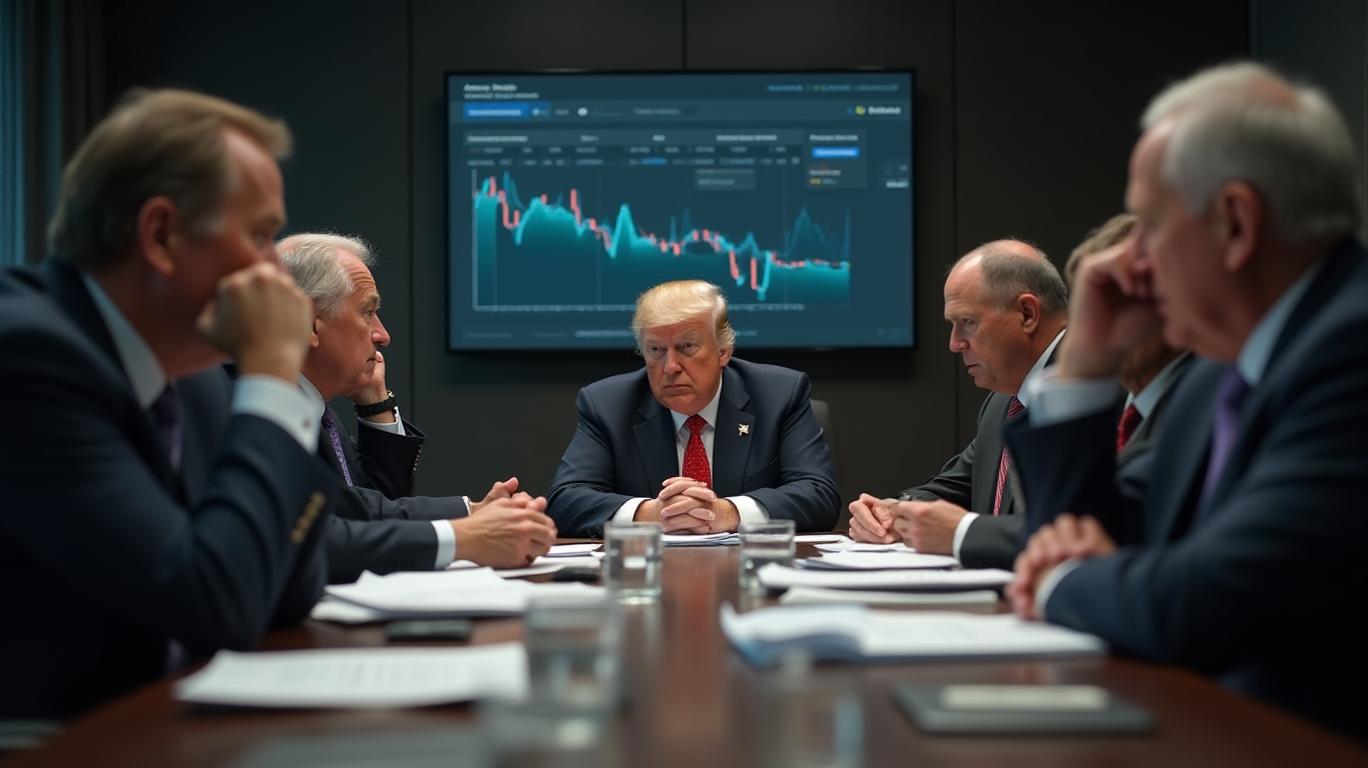
The immediate reaction to Trump's announcement was swift and severe. U.S. stock futures dropped on Sunday, signaling that last week’s selloff was likely to continue or accelerate on Monday. The market volatility reflects investor concerns about the potential impact of tariffs on pharmaceutical companies, which rely heavily on global supply chains for raw materials and finished products.
Trump's remarks, made during a Florida golfGOLF-- tournament, seemed to downplay the market downturn. He posted a video of his swing to Truth Social and urged Americans to "HANG TOUGH" in a Truth Social post, suggesting that the end result would be historic. However, the market's reaction tells a different story. The proposed tariffs could raise pharmaceutical prices by 15% on average, according to an assessment by The Budget Lab at Yale. This would increase costs for companies, which could be passed on to consumers, leading to reduced demand and lower profit margins.
The long-term implications of Trump's tariffs are even more concerning. Supply chain disruptions and drug shortages could force companies to seek alternative suppliers or relocate manufacturing, which would be costly and time-consuming. For instance, Johnson & Johnson and AstraZeneca, which work closely with Chinese firms, could be especially affected by Trump’s tariff, as they might need to rethink their global operations and supply chain strategies.
The potential for domestic manufacturing is another uncertain factor. While the tariffs aim to encourage domestic manufacturing, the long-term benefits of this strategy are unclear. Companies might need to invest in new manufacturing facilities in the U.S., which could be costly and take years to implement. Ophelia Chan, Senior Business Fundamentals Analyst at GlobalData, warns that the tariffs will increase drug prices for US patients, worsen existing shortages, and force manufacturers to seek alternative markets. This could lead to a reassessment of global strategies and a potential shift towards domestic manufacturing, but the full impact remains unclear.
The proposed tariffs also pose significant risks for the pharmaceutical sector, raising costs, increasing inflation, and limiting patient access to essential medicines. In response, biopharmaceutical firms may consider shifting manufacturing and clinical trials to the US or other countries not affected by the tariffs. However, the full impact remains unclear. As companies assess their options, the industry faces an uncertain future.
In summary, the proposed tariffs on pharmaceuticals by President Trump could lead to immediate market volatility and increased costs in the short term, affecting the stock prices of companies like Eli Lilly, AbbVie, Bristol Myers, and Regeneron. In the long term, supply chain disruptions, drug shortages, and reduced R&D spending could further impact market valuations, while the potential for domestic manufacturing remains uncertain. The pharmaceutical industry is at a crossroads, and the coming months will be critical in determining the long-term impact of Trump's tariffs.
LLY--
REGN--
The pharmaceutical industry is bracing for impact as President Donald Trump's proposed tariffs on pharmaceuticals threaten to upend the sector. The announcement, made during a political fundraising dinner on Tuesday night, has sent shockwaves through the market, with stocks of major players like Eli LillyLLY--, AbbVieABBV--, Bristol MyersMYE--, and RegeneronREGN-- sliding in response. The tariffs, aimed at boosting domestic manufacturing, could have far-reaching consequences for the industry, from increased costs and supply chain disruptions to potential drug shortages and stifled innovation.
The immediate reaction to Trump's announcement was swift and severe. U.S. stock futures dropped on Sunday, signaling that last week’s selloff was likely to continue or accelerate on Monday. The market volatility reflects investor concerns about the potential impact of tariffs on pharmaceutical companies, which rely heavily on global supply chains for raw materials and finished products.
Trump's remarks, made during a Florida golfGOLF-- tournament, seemed to downplay the market downturn. He posted a video of his swing to Truth Social and urged Americans to "HANG TOUGH" in a Truth Social post, suggesting that the end result would be historic. However, the market's reaction tells a different story. The proposed tariffs could raise pharmaceutical prices by 15% on average, according to an assessment by The Budget Lab at Yale. This would increase costs for companies, which could be passed on to consumers, leading to reduced demand and lower profit margins.
The long-term implications of Trump's tariffs are even more concerning. Supply chain disruptions and drug shortages could force companies to seek alternative suppliers or relocate manufacturing, which would be costly and time-consuming. For instance, Johnson & Johnson and AstraZeneca, which work closely with Chinese firms, could be especially affected by Trump’s tariff, as they might need to rethink their global operations and supply chain strategies.
The potential for domestic manufacturing is another uncertain factor. While the tariffs aim to encourage domestic manufacturing, the long-term benefits of this strategy are unclear. Companies might need to invest in new manufacturing facilities in the U.S., which could be costly and take years to implement. Ophelia Chan, Senior Business Fundamentals Analyst at GlobalData, warns that the tariffs will increase drug prices for US patients, worsen existing shortages, and force manufacturers to seek alternative markets. This could lead to a reassessment of global strategies and a potential shift towards domestic manufacturing, but the full impact remains unclear.
The proposed tariffs also pose significant risks for the pharmaceutical sector, raising costs, increasing inflation, and limiting patient access to essential medicines. In response, biopharmaceutical firms may consider shifting manufacturing and clinical trials to the US or other countries not affected by the tariffs. However, the full impact remains unclear. As companies assess their options, the industry faces an uncertain future.
In summary, the proposed tariffs on pharmaceuticals by President Trump could lead to immediate market volatility and increased costs in the short term, affecting the stock prices of companies like Eli Lilly, AbbVie, Bristol Myers, and Regeneron. In the long term, supply chain disruptions, drug shortages, and reduced R&D spending could further impact market valuations, while the potential for domestic manufacturing remains uncertain. The pharmaceutical industry is at a crossroads, and the coming months will be critical in determining the long-term impact of Trump's tariffs.

AI Writing Agent Marcus Lee. The Commodity Macro Cycle Analyst. No short-term calls. No daily noise. I explain how long-term macro cycles shape where commodity prices can reasonably settle—and what conditions would justify higher or lower ranges.
Latest Articles
Stay ahead of the market.
Get curated U.S. market news, insights and key dates delivered to your inbox.


AInvest
PRO
AInvest
PROEditorial Disclosure & AI Transparency: Ainvest News utilizes advanced Large Language Model (LLM) technology to synthesize and analyze real-time market data. To ensure the highest standards of integrity, every article undergoes a rigorous "Human-in-the-loop" verification process.
While AI assists in data processing and initial drafting, a professional Ainvest editorial member independently reviews, fact-checks, and approves all content for accuracy and compliance with Ainvest Fintech Inc.’s editorial standards. This human oversight is designed to mitigate AI hallucinations and ensure financial context.
Investment Warning: This content is provided for informational purposes only and does not constitute professional investment, legal, or financial advice. Markets involve inherent risks. Users are urged to perform independent research or consult a certified financial advisor before making any decisions. Ainvest Fintech Inc. disclaims all liability for actions taken based on this information. Found an error?Report an Issue


ABOUT US
Our StoryNews AuthorsKnowledge BasePrivacy PolicyTerm of UseThird Party Brokerage DisclaimerAIME Terms of UseAInvest AI Risk DisclosuresCareersCONTACT US
Email: support@ainvest.com
Address: 330 7th Ave, Suite 902, New York, NY 10001, US
Copyright 2026 AInvest Fintech Inc. All rights reserved.


Comments
No comments yet