
Pharma's Post-Shkreli Era: Navigating Regulatory Risks and Valuation Shifts
The 2015 Turing Pharmaceuticals scandal, epitomized by Martin Shkreli's 5,000% Daraprim price hike, marked a watershed moment for the pharmaceutical industry. What began as a public relations nightmare evolved into a catalyst for sweeping regulatory reforms, fundamentally altering investor sentiment and reshaping valuation metrics. Today, the sector faces a new reality where transparency, compliance, and ethical pricing are not just reputational assets but critical drivers of long-term shareholder value. Investors must now scrutinize regulatory exposure and ESG alignment to navigate this evolving landscape.
Regulatory Tsunami: From Shkreli to the IRA
The Shkreli scandal exposed the fragility of unchecked pricing power, prompting federal and state lawmakers to act. Key reforms include:
- CREATES Act (2019): Ended tactics like sample withholding that stifled generic competition, directly impacting companies reliant on monopolistic pricing.
- FDA Labeling Mandates (2018): Required price disclosures in drug ads, increasing consumer awareness and investor scrutiny of opaque pricing strategies.
- State Anti-Gouging Laws: Over 20 states now cap price increases for essential medications, penalizing firms like Mylan (MYL) after its EpiPen scandal.
The Inflation Reduction Act (IRA, 遑2023) escalated this trend by enabling Medicare to negotiate drug prices, with first negotiations targeting insulin and cancer therapies. Meanwhile, the 2025 Most-Favored-Nation (MFN) Executive Order aims to tie U.S. prices to global benchmarks, threatening profit margins for firms like Roche (RHHBY) and MerckMRK-- (MRK).
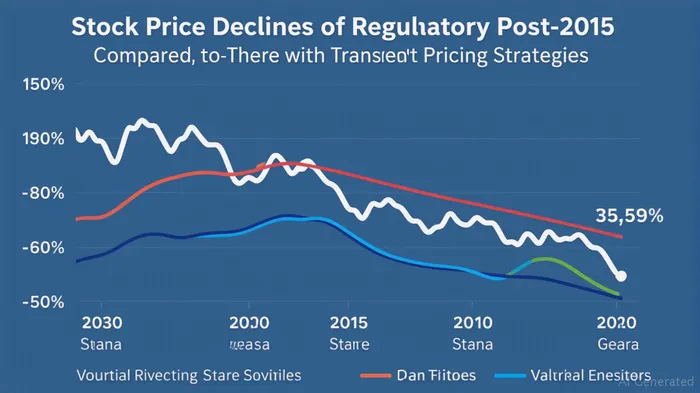
Investor Sentiment Shift: From Growth to Governance
The Shkreli era reshaped investor calculus. Biotech and pharma equities once traded on pipelines and patent expirations are now evaluated through a regulatory and ESG lens. Key shifts include:
- Valuation Metrics: Investors increasingly favor firms with low price-to-R&D ratios, signaling a focus on innovation over pure price gouging. Companies like VertexVERX-- (VRTX) or ModernaMRNA-- (MRNA), which price breakthrough therapies at premium but justifiable levels, attract premium valuations.
- Risk Premiums: Stocks with frequent price hikes or antitrust violations (e.g., Novartis' 2023 insulin litigation) now carry higher cost of capital, as seen in their depressed price-to-earnings multiples relative to compliance leaders.
- ESG Integration: ESG-focused funds now penalize firms with poor pricing transparency. For example, PfizerPFE-- (PFE)'s proactive insulin price cuts post-IRA earned it ESG accolades, boosting institutional ownership.
Current Risks: Regulatory Headwinds and Shareholder Activism
The regulatory landscape remains turbulent, with three key threats:
- MFN Pricing Enforcement: If upheld in courts, the 2025 executive order could slash prices for top sellers like Roche's Avastin (WAC: $2,500/dose).
- PBM Reforms: FTC investigations into pharmacy benefit managers (PBMs) aim to dismantle rebate-driven inflation. Firms tied to opaque PBM contracts (e.g., AbbVieABBV-- (ABBV)) face margin pressure.
- ESG Litigation: Shareholder lawsuits targeting pricing ethics (e.g., Sanofi's 2024 diabetes drug pricing class action) are rising, with damages potentially exceeding $500 million.
Investment Strategy: Prioritize Compliance and Transparency
To thrive in this era, investors should focus on three pillars:
- Transparent Pricing Models: Favor firms with publicly disclosed pricing justifications and alignment with global benchmarks. Examples include:
- Amgen (AMGN): Proactively publishes cost-benefit analyses for therapies like Repatha.
Johnson & Johnson (JNJ): Invests in generics and biosimilars to reduce dependency on high-margin launches.
Robust Compliance Frameworks: Look for companies with minimal regulatory fines and proactive antitrust compliance.
ESG-Driven Innovation: Back companies aligning with global health goals. For instance:
- Novo Nordisk (NVO): Leads in affordable insulin access programs.
- Bristol-Myers Squibb (BMY): Partners with NGOs to reduce cancer drug costs in low-income markets.
Conclusion: The New Pharma Playbook
The post-Shkreli era demands that investors treat regulatory risk as a core factor in valuation. Companies like Pfizer, which balance innovation with ethical pricing, or NovartisNVS-- (NVS), now divesting controversial assets, exemplify the path forward. Conversely, firms clinging to monopolistic practices—think Mylan or Insys Therapeutics—face existential threats. The era's winners will be those that embrace transparency, invest in compliance, and align with ESG imperatives. For now, the message is clear: in pharma, integrity is the ultimate growth driver.

Stay ahead of the market.
Get curated U.S. market news, insights and key dates delivered to your inbox.




Comments
No comments yet