
Pharma Giants Trade Price Cuts for Tariff Relief and U.S. Manufacturing Pledges


 Aime Summary
The Trump administration has struck a landmark deal with pharmaceutical giants Eli LillyLLY-- and Novo NordiskNVO-- to slash the prices of GLP-1 weight-loss and diabetes drugs, marking a pivotal shift in the U.S. healthcare landscape. Under the agreement, announced on November 6, 2025, the cost of blockbuster medications like Wegovy and Ozempic will drop significantly for Medicare, Medicaid, and direct-to-consumer buyers through the newly launched TrumpRx platform. Patients will pay as little as $350 per month for injectable GLP-1 drugs, with prices expected to fall to $250 within two years for those without insurance, according to ABC News. The deal also includes discounted pricing for oral GLP-1 pills, starting at $150 per month, according to a White House fact sheet, a move that could expand access to the growing class of obesity treatments.
The Trump administration framed the agreement as a victory for American consumers, with President Donald Trump declaring it a "triumph for American patients" during an Oval Office announcement, as reported by LiveMint. 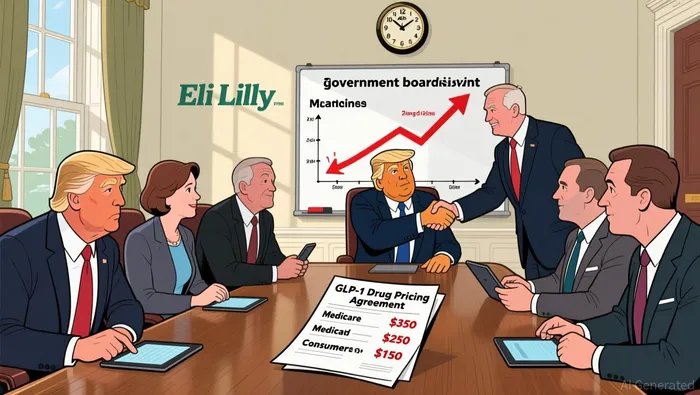 The deal aligns with Trump's broader "Most-Favored-Nation" pricing strategy, which aims to align U.S. drug prices with those paid by other developed nations. By securing these reductions, the government will now cover obesity drugs for Medicare beneficiaries with severe obesity—a first for the program, ABC News reported. Medicare patients will face a $50 co-pay for the medications, while Medicaid programs will gain access to the same discounted rates, the White House said.
The negotiations also included concessions for the pharmaceutical companies. In exchange for the price cuts, Eli Lilly and Novo Nordisk received assurances of tariff relief and priority review vouchers from the FDA for future drug applications, Morningstar reported. The companies also committed to manufacturing investments in the U.S., with Novo Nordisk pledging an additional $10 billion to bolster domestic production, according to the White House fact sheet. These terms reflect the administration's dual focus on lowering costs for patients while incentivizing domestic drug manufacturing.
The deal comes amid broader turbulence in the pharmaceutical sector. Novo Nordisk, one of the key players, is embroiled in a high-stakes bidding war with Pfizer for the biotech firm Metsera, with both companies leveraging political connections to gain an edge, MedWatch reported. Meanwhile, Eli Lilly faces legal challenges over its GLP-1 drug portfolio, including a recent lawsuit against Metsera, according to Seeking Alpha. These dynamics highlight the competitive pressures shaping the industry, even as regulators and policymakers push for affordability.
The TrumpRx platform, a direct-to-consumer initiative, is central to the new pricing model. The government website will direct buyers to pharmaceutical companies' sites for purchases, bypassing traditional intermediaries like GoodRx. This approach has drawn criticism, as Investing.com reported that GoodRx will not partner with TrumpRx. The decision has already impacted the discount drug platform's stock, which fell 5% following the announcement.
In parallel, Novo Nordisk is exploring new distribution channels for its GLP-1 drugs. Telehealth company Hims & Hers revealed "active discussions" to sell Wegovy on its platform, though no definitive agreement has been reached, Morningstar reported. If successful, the partnership could expand access to the drug for consumers seeking telehealth-based care, particularly as the FDA evaluates an oral version of Wegovy, according to MarketWatch.
The administration's pricing strategy has drawn both praise and skepticism. While supporters applaud the reduced costs, critics question the long-term sustainability of the model and its impact on innovation. The deal's success will depend on its ability to balance affordability with incentives for pharmaceutical R&D. For now, however, the agreement represents a major step in Trump's campaign to curb prescription drug prices, with potential implications for millions of Americans grappling with obesity and diabetes.

Stay ahead of the market.
Get curated U.S. market news, insights and key dates delivered to your inbox.
AInvest
PRO
AInvest
PRO



Comments
No comments yet