
PG&E's Outages: A Stress Test for Utility Stocks and Investor Confidence
PG&E's recurring power outages—driven by wildfire mitigation measures, aging infrastructure, and regulatory mandates—have become a litmus test for investor confidence in the utility sector. As California's 2030 “smart grid” deadline looms, the company's ability to balance safety, affordability, and profitability will determine its financial health and shareholder value. For investors, the stakes are high: PG&E's struggles could ripple through the broader utility sector, while its challenges also highlight opportunities in alternative energy infrastructure plays.
Regulatory Risk and PG&E's Financial Strain
PG&E's outages are not just operational failures but symptoms of a deeper regulatory reckoning. The California Public Utilities Commission (CPUC) has imposed stringent requirements, including a 2030 mandate to modernize 65% of its grid, fines for noncompliance exceeding $500 million, and restrictions on borrowing renewable energy credits. These rules aim to reduce wildfire risks and improve grid resilience but have left PG&E with a debt load exceeding $25 billion, a debt-to-equity ratio of 6.1 (nearly double the industry average), and a Moody's rating of B-.
The financial toll is evident. PG&E's operating cash flow has dropped 18% since 2020, while credit spreads on its bonds have widened as investors price in default risks. Short interest in PCG rose 22% over the past quarter, signaling skepticism about its ability to navigate these pressures.
Investor Sentiment: Between Cautious Optimism and Bearish Bets
Analysts remain divided. While 11 out of 17 analysts recommend a “Strong Buy” due to PG&E's $63 billion capital plan (including $5 billion in customer-driven projects), the stock's underperformance—down 20.8% over 52 weeks compared to the S&P 500's 11.9% rise—reflects lingering concerns. The average price target of $20.70 implies a 51.8% upside from recent lows, but execution risks loom large.
The company's Q2 2025 earnings report, due July 31, will test investor patience. Analysts expect EPS of $0.41, a 32% jump from 2024, but a miss could deepen skepticism. Meanwhile, PG&E's focus on wildfire mitigation—such as undergrounding 1,600 miles of power lines by 2026 and deploying AI-powered weather stations—has reduced ignitions by 65% since 2024, a potential confidence booster.
The Regulatory Pendulum and Utility Sector Risks
PG&E's case underscores a broader trend: utilities are increasingly judged not just on profits but on societal mandates. The CPUC's April 2025 directive to prioritize grid resilience—e.g., allowing customers to use storage systems for emergency charging—reflects a shift toward valuing reliability over cost efficiency. This creates a dilemma for utilities: overinvest in infrastructure to meet mandates or risk penalties, but strain margins in the process.
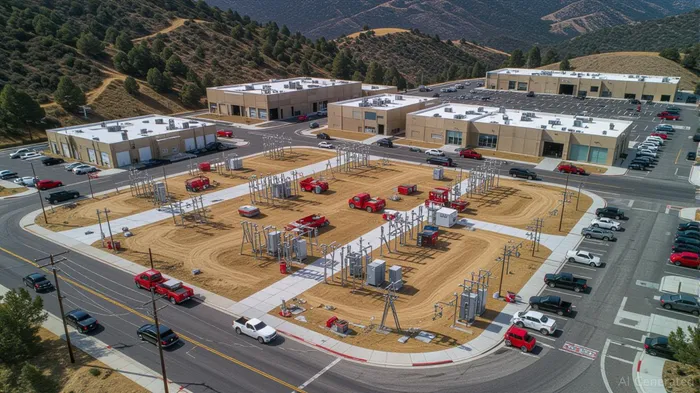
The stakes are existential for PG&E. If it fails to meet the 2030 deadline, fines alone could exceed $500 million annually. Conversely, success could stabilize its credit profile and restore investor faith. For the sector overall, PG&E's experience may accelerate the trend toward utility consolidation or federal support for grid modernization, akin to the Inflation Reduction Act's incentives for renewable energy storage.
Hedging Against Utility Sector Risks: The Case for Alternative Infrastructure Plays
Investors wary of utility sector volatility can look to alternative energy infrastructure plays as a hedge. For instance:
- NextEra Energy (NEE): A leader in renewable energy with 10% annual infrastructure investment, NEE's focus on grid resilience and clean energy aligns with regulatory trends.
- Brookfield Renewable Partners (BEP): Benefits from long-term contracted cash flows in hydropower and solar projects, offering stability amid sector turbulence.
- Utilities Infrastructure ETFs (XLE, XLU): While XLUXLU-- includes PG&E, sector diversification reduces single-stock risk.
These alternatives offer exposure to the energy transition without the regulatory overhang plaguing traditional utilities. PG&E's struggles highlight the premium placed on proactive grid modernization and wildfire mitigation—qualities now baked into investor valuations for utilities.
Conclusion: A Crossroads for PG&E, an Opportunity for Strategic Investors
PG&E's future hinges on three variables: accelerating grid upgrades, managing cybersecurity threats (exposed by a 2025 cyberattack), and reducing debt. For now, its stock remains a “high-beta” play on regulatory and operational success. Investors seeking safety in the sector should tilt toward companies with strong balance sheets and exposure to renewable energy, such as NextEra or Brookfield.
PG&E's journey is a microcosm of the energy sector's evolution: utilities that fail to adapt to stricter environmental and safety standards will falter, while those leading the transition to resilient, low-carbon grids will thrive. For now, the market's verdict is clear—PG&E's path to recovery requires more than just good intentions.
Investment Advice:
- Hold PCG only if you believe it can meet its 2030 grid mandate and reduce debt. Monitor Q2 earnings and regulatory updates closely.
- Consider NEE or BEP as safer bets on energy transition trends, with lower execution risk.
- Avoid utilities with heavy wildfire liabilities unless they've demonstrated proactive mitigation strategies.
The next five years will test whether PG&E can reinvent itself—or become a cautionary tale. For investors, the lesson is clear: in an era of climate volatility, resilience isn't just a buzzword—it's a prerequisite for survival.

Delivering real-time insights and analysis on emerging financial trends and market movements.
Latest Articles
Stay ahead of the market.
Get curated U.S. market news, insights and key dates delivered to your inbox.
AInvest
PRO
AInvest
PRO



Comments
No comments yet