
Petro's Fall: Venezuela's Crypto Dream Crumbles in Corruption Scandal
The fateFATE-- of Venezuela's state-backed cryptocurrency, PetroPTPI--, has been a tumultuous one. Introduced in 2018 by Nicolás Maduro's government as a means to circumvent economic sanctions and stabilize the nation's financial system, Petro has largely failed to gain traction as a unit of value or digital asset. Despite initial promises and ambitious plans, the cryptocurrency has struggled to gain acceptance both domestically and internationally, ultimately succumbing to a corruption scandal in 2023 that sealed its fate.
Maduro launched Petro with the intention of using it to facilitate international trade, bypass foreign restrictions, and provide an alternative store of value for Venezuelans amid hyperinflation. Initially, it was said to be backed by Venezuela's vast oil reserves, later expanded to include other natural resources such as iron ore and gold. However, the United States swiftly prohibited transactions involving the currency, limiting its viability as an international exchange tool. Domestically, the government attempted to integrate it into the economy, using it as a benchmark for wages and encouraging citizens to convert their bolivars into petrosPTPI--. Yet, adoption remained minimal, and the cryptocurrency failed to establish itself as a widely accepted medium of exchange.
By 2023, petro operations were suspended following a multi-million-dollar corruption scandal linked to the state oil company PDVSA. Investigations revealed that the National Superintendency of Cryptoassets, a government body overseeing crypto transactions, had converted oil sales into cryptocurrencies and misappropriated funds. Several high-ranking officials, including the superintendent of cryptoassets, were arrested, dealing a final blow to the petro's credibility. According to economist Luis Crespo, the scandal effectively marked the end of the petro, with the country still unaware of the whereabouts of the misappropriated funds. The fallout led to the closure of the Superintendency of Cryptoassets and a broader retreat from the Petro initiative.
Unlike traditional cryptocurrencies, which operate on decentralized networks, the petro was entirely controlled by the Venezuelan state. Economist Carlos Ñáñez noted that this centralization contradicted the core principles of crypto assets, describing it as a government-imposed token rather than a market-driven innovation. Maduro once claimed that the petro was thriving in global markets and was among the most stable cryptocurrencies. However, this assertion never matched reality, as its use 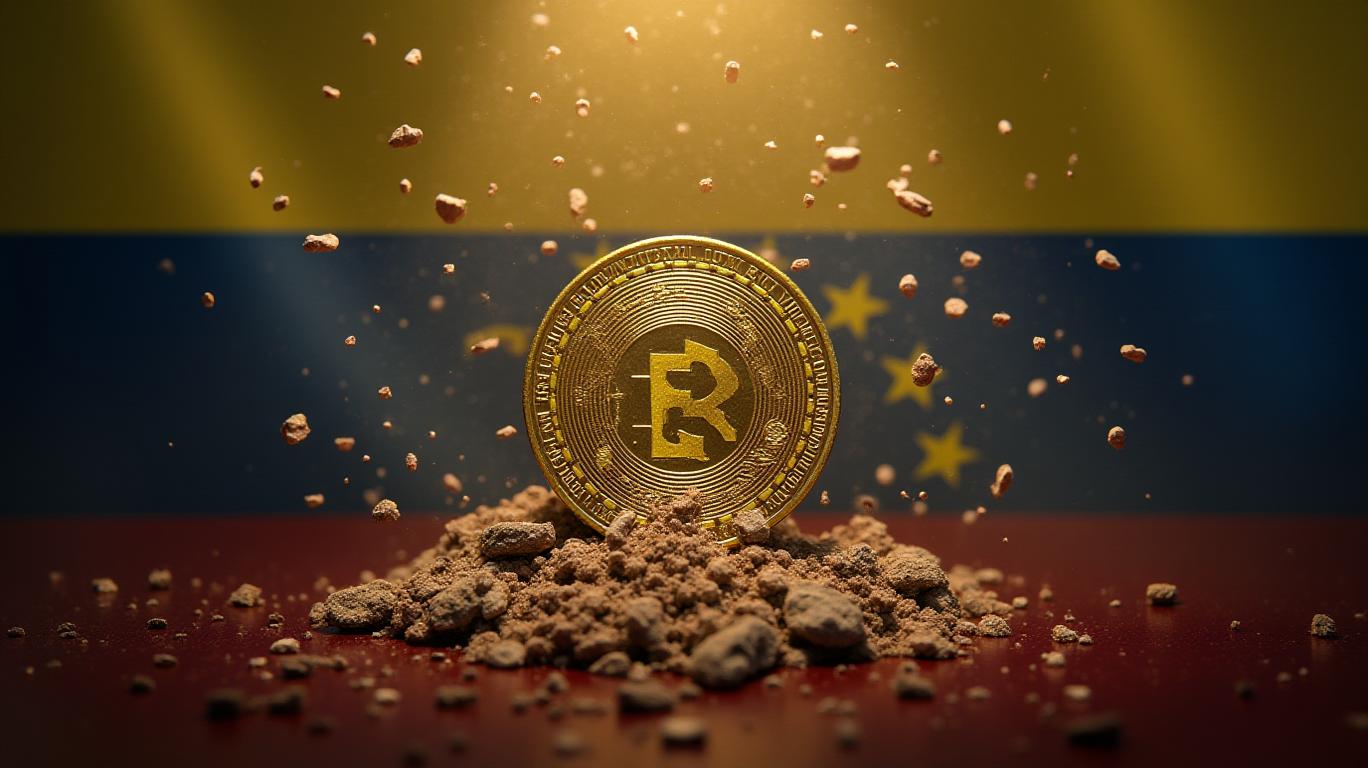

Stay ahead of the market.
Get curated U.S. market news, insights and key dates delivered to your inbox.
AInvest
PRO
AInvest
PRO



Comments
No comments yet