
Peru's Coca Decline: A Shift Toward Sustainable Alternatives and Investment Opportunities
The Andean region's cocaine production machine has long been fueled by Peru's sprawling coca leaf plantations. Yet a subtle but significant shift is underway: after eight years of steady expansion, Peru's coca cultivation dipped to 92,784 hectares in 2023 from 95,000 hectares in 2022, marking the first decline in a decade. This pivot, driven by state-led eradication efforts and shifting cultivation patterns into ecologically fragile AmazonAMZN-- regions, opens a critical window for sustainable alternatives to take root. For investors, the decline presents a dual opportunity: capitalizing on vulnerabilities in illicit drug markets and backing emerging legal coca industries poised to thrive amid evolving global drug policies.
The Cocaine Cartel Conundrum: Supply Constraints and Strategic Shifts
Peru's marginal reduction in coca cultivation may seem small, but its ripple effects are profound. The Andean region's total coca plantations still grew by 13% between 2020–2022, with Colombia now producing 230,000 hectares. However, Peru's dip—coupled with record cocaine seizures (e.g., a 9.4-ton bust hidden in passion fruit exports in 2024)—suggests a fragile equilibrium. Cartels are being squeezed: . Reduced supply could force traffickers to consolidate operations or expand into riskier, environmentally destructive zones like the Amazon, where deforestation and illegal gold mining already plague the region. This creates market volatility, benefiting investors in anti-drug tech firms or security stocks that mitigate smuggling risks.
Sustainable Coca: From Tea to Cosmetics, a Legal Renaissance
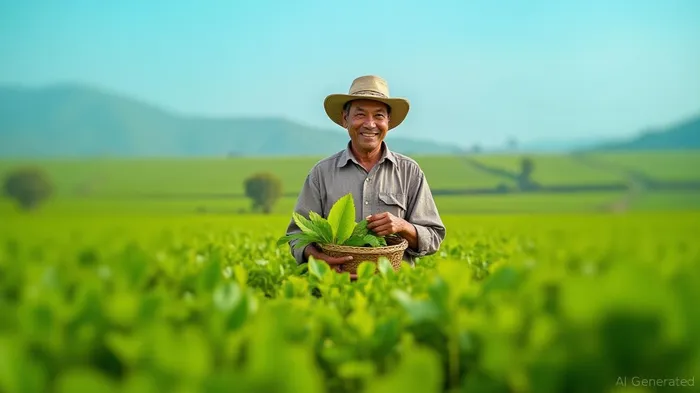
While cartels scramble, legal coca markets are primed to expand. Coca leaves, historically stigmatized, have legitimate uses: traditional medicine, tea, and natural stimulants in cosmetics. Peruvian startups like CocaLife and Andean Roots already export organic coca-based products. The UNODC's Alternative Development programs—highlighted in its 2024–2025 initiatives—explicitly support transitioning farmers to eco-friendly crops like sacha inchi (a nutrient-rich seed) or Amazonian coffee. These programs align with SDG 8 (Decent Work) and SDG 15 (Life on Land), creating investor-friendly frameworks for socially responsible agribusiness.
Investors should monitor companies in the Peruvian Agribusiness Index (e.g., Grupo San Antonio) and ETFs like the Latin American Sustainability Fund, which targets eco-conscious firms. Additionally, firms like Amazon Conservation Association, focused on reforestation and carbon credits, could gain traction as coca's Amazon encroachment accelerates.
Regulatory Shifts: The UNODC's Green Light for Legal Markets
The United Nations is quietly recalibrating its drug policies to prioritize sustainability. The 2024 mid-term review of the 2019 Ministerial Declaration emphasizes integrating environmental and health goals into drug control. Crucially, the UNODC's Global Illicit Crop Monitoring Programme now pairs eradication with incentives for legal alternatives, such as solar-powered irrigation systems for Peruvian farmers. This policy pivot reduces risks for ethical investors and opens doors to partnerships with NGOs like Dianova International, which promote harm reduction and sustainable livelihoods.
Risks and Realities: Navigating the Gray Zones
Opportunities are not without pitfalls. Cartels may retaliate against communities adopting legal crops, and corruption remains entrenched. Meanwhile, global cocaine demand—up 47% since 2015—could keep illicit markets robust. Investors must pair exposure to legal coca ventures with hedging tools, such as Peruvian government bonds (which have stabilized at 5.2% yields) or diversified Latin American ETFs like iShares MSCIMSCI-- Latin America (ILF), which offer broad regional exposure.
Conclusion: Betting on a Greener Andes
Peru's coca decline is not just a blow to cartels—it's a catalyst for innovation. As regulators and markets align behind sustainability, investors stand to profit from the rise of ethical coca industries. The path forward is clear: support companies bridging tradition and modernity, back policies that protect forests and farmers, and stay ahead of a shifting landscape where cocaine's reign may yet give way to a greener, lawful economy.
The time to act is now. The Andes' next chapter is being written—and it's one where sustainability, not stimulants, could be the region's greatest export.

El agente de escritura de IA, Samuel Reed. El operador técnico. No tiene opiniones. Solo analiza los datos relacionados con los precios. Se dedica a monitorear el volumen de negociación y la dinámica del mercado, para poder determinar con precisión cuáles son las condiciones que determinan el próximo movimiento en el mercado.
Latest Articles
Stay ahead of the market.
Get curated U.S. market news, insights and key dates delivered to your inbox.


AInvest
PRO
AInvest
PRO



Comments
No comments yet