
Perseids Meteor Shower Peaks on Aug. 12, Producing 100 Meteors Per Hour Under Ideal Conditions
ByAinvest
Friday, Aug 8, 2025 1:45 pm ET1min read
JUNS--
The Perseids typically reach their peak around August 11-12, with the best viewing conditions occurring on the night of August 12-13. However, this year's peak is expected to be slightly affected by moonlight, which may reduce the visibility of meteors. Despite this, the Perseids are known for producing bright "fireballs" that can still be visible even with some moonlight [1].
To maximize the viewing experience, it is recommended to find a dark, clear, and smoke-free location away from urban light pollution. Allowing at least 20-30 minutes for your eyes to adjust to the darkness before looking up is also crucial. Using a light pollution map can help identify suitable viewing spots [1].
In addition to the Perseid meteor shower, August 2025 also brings several other astronomical highlights. The Full Sturgeon Moon, also known as the August full moon, will occur on August 9, providing a bright and clear view of the moon in the evening sky. Furthermore, a close conjunction of Venus and Jupiter will take place from August 10 to 14, with the two brightest planets in our night sky appearing very close together in the early morning sky [2].
While the Perseids may not reach their peak potential this year due to moonlight, they remain a popular and exciting event for astronomy enthusiasts. The next best meteor shower of the year, the Geminids, will occur in December, with a peak on the night of December 13-14, offering a moonless night sky for optimal viewing [3].
References:
[1] https://www.theaurorazone.com/august-2025-astronomy-highlights/
[2] https://www.forbes.com/sites/jamiecartereurope/2025/08/05/perseid-meteor-shower-begins-next-week---when-to-get-the-best-view/
[3] https://www.space.com/39469-best-meteor-showers.html
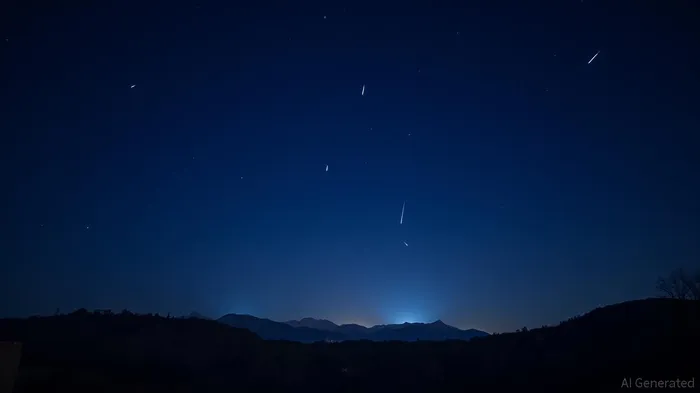
The Perseid meteor shower, one of the best of the year, is set to peak on August 12, producing up to 100 meteors per hour under ideal conditions. The shower is expected to light up the summer night sky, but optimal viewing requires dark, cloud-free, smoke-free, and clear skies.
The Perseid meteor shower, one of the most anticipated celestial events of the year, is set to peak on August 12, 2025, with an expected rate of up to 100 meteors per hour under ideal conditions. This annual meteor shower, caused by debris from Comet Swift-Tuttle, offers a spectacular display of shooting stars that can be enjoyed by both amateur and professional astronomers alike.The Perseids typically reach their peak around August 11-12, with the best viewing conditions occurring on the night of August 12-13. However, this year's peak is expected to be slightly affected by moonlight, which may reduce the visibility of meteors. Despite this, the Perseids are known for producing bright "fireballs" that can still be visible even with some moonlight [1].
To maximize the viewing experience, it is recommended to find a dark, clear, and smoke-free location away from urban light pollution. Allowing at least 20-30 minutes for your eyes to adjust to the darkness before looking up is also crucial. Using a light pollution map can help identify suitable viewing spots [1].
In addition to the Perseid meteor shower, August 2025 also brings several other astronomical highlights. The Full Sturgeon Moon, also known as the August full moon, will occur on August 9, providing a bright and clear view of the moon in the evening sky. Furthermore, a close conjunction of Venus and Jupiter will take place from August 10 to 14, with the two brightest planets in our night sky appearing very close together in the early morning sky [2].
While the Perseids may not reach their peak potential this year due to moonlight, they remain a popular and exciting event for astronomy enthusiasts. The next best meteor shower of the year, the Geminids, will occur in December, with a peak on the night of December 13-14, offering a moonless night sky for optimal viewing [3].
References:
[1] https://www.theaurorazone.com/august-2025-astronomy-highlights/
[2] https://www.forbes.com/sites/jamiecartereurope/2025/08/05/perseid-meteor-shower-begins-next-week---when-to-get-the-best-view/
[3] https://www.space.com/39469-best-meteor-showers.html
Stay ahead of the market.
Get curated U.S. market news, insights and key dates delivered to your inbox.
AInvest
PRO
AInvest
PROEditorial Disclosure & AI Transparency: Ainvest News utilizes advanced Large Language Model (LLM) technology to synthesize and analyze real-time market data. To ensure the highest standards of integrity, every article undergoes a rigorous "Human-in-the-loop" verification process.
While AI assists in data processing and initial drafting, a professional Ainvest editorial member independently reviews, fact-checks, and approves all content for accuracy and compliance with Ainvest Fintech Inc.’s editorial standards. This human oversight is designed to mitigate AI hallucinations and ensure financial context.
Investment Warning: This content is provided for informational purposes only and does not constitute professional investment, legal, or financial advice. Markets involve inherent risks. Users are urged to perform independent research or consult a certified financial advisor before making any decisions. Ainvest Fintech Inc. disclaims all liability for actions taken based on this information. Found an error?Report an Issue


ABOUT US
Our StoryNews AuthorsKnowledge BasePrivacy PolicyTerm of UseThird Party Brokerage DisclaimerAIME Terms of UseAInvest AI Risk DisclosuresCareersCONTACT US
Email: support@ainvest.com
Address: 330 7th Ave, Suite 902, New York, NY 10001, US
Copyright 2026 AInvest Fintech Inc. All rights reserved.


Comments
No comments yet