
Pernod Ricard's Masterstroke in China: A Playbook for Luxury Resilience
The luxury alcohol market is a battlefield of tariffs, politics, and pricing power. But Pernod Ricard (PDR.PA) just pulled off a move that could define its future—and the fate of premium spirits investors—for years. Let's break down how this French giant turned a potential disaster into a strategic win, and why it's a must-watch play for those seeking stability in a turbulent sector.
The Tariff Trap—and How Pernod Dodged It
China's anti-dumping investigation into EU Cognac exports was a nightmare scenario. By early 2025, provisional tariffs as high as 39% had slashed EU Cognac exports to China by 70%, with Pernod alone losing €100 million by February. The clock was ticking: if no deal was reached by July 5, 2025, those tariffs would become permanent, pricing European producers out of the world's second-largest luxury market.
But Pernod didn't panic—it negotiated. The company agreed to a Minimum Import Price (MIP) commitment, ensuring its Cognac (think Martell and Rémy Martin) would sell at floors like 46 yuan per liter for VS Cognac and 613 yuan for XXO varieties. In exchange, China dropped the punitive tariffs. The result? A lifeline: Pernod avoids the 39% duty, keeps its premium pricing power intact, and stays in China's booming luxury market.
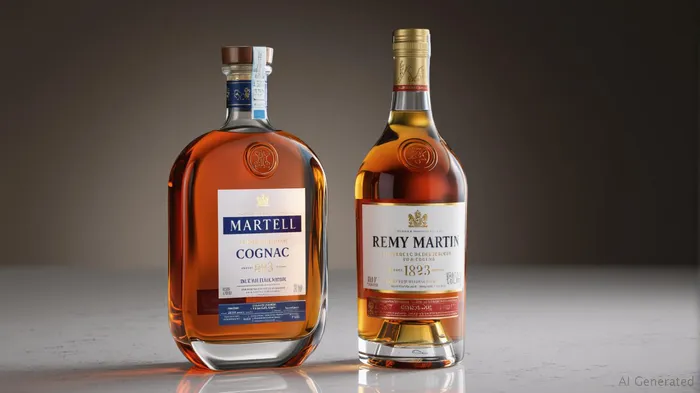
Why This Deal Is a Masterclass in Risk Mitigation
- Margin Protection: By accepting MIP terms, Pernod avoids a margin-crushing 34.9%-39% tariff. The agreement locks in prices above cost, ensuring profits stay healthy.
- China's Luxury Growth Machine: China's wealthy are buying more luxury alcohol—Cognac sales grew 20% annually pre-tariff. Pernod's brands dominate this space, and the MIP ensures it can capitalize without price erosion.
- Political Leverage: The deal ties into EU-China trade negotiations over electric vehicle tariffs (EU's 50% duty on Chinese EVs). Pernod's compliance gives it a seat at the table if reciprocal deals emerge.
But there's a catch: the MIP terms are a five-year commitment, and non-compliance triggers renewed duties. Pernod's pricing power will be tested, especially as Chinese competitors like Kweichow Moutai push into premium spirits.
The Bigger Picture: Pernod's Portfolio Power
Pernod isn't just a Cognac shop. Its global portfolio—Jameson whiskey, Absolut vodka, and Malibu rum—buffers against regional headwinds. In 2024, Asia-Pacific sales accounted for 29% of revenue, but no single market defines its fate. This diversification is critical: if China's Cognac tariffs ever resurface, Pernod's other brands and markets can absorb the hit.
Action Items for Investors
- Buy the Dip: Pernod's stock has lagged peers amid trade uncertainty. A resolution here could spark a rebound.
- Watch China's Luxury Spending: Track Cognac imports and luxury sales data (e.g., China Luxury Market Index) for early signs of demand.
- Demand geopolitical diversification: Pernod's approach—negotiating terms while maintaining pricing discipline—is a model for other luxury players.
The Bottom Line
Pernod Ricard's MIP deal isn't perfect, but it's a strategic necessity in a world where trade wars are fought with wine bottles. The company preserved access to China's luxury market, shielded margins from catastrophic tariffs, and kept its pricing power intact. For investors focused on premium spirits equities, this is the kind of resilience that outlasts headlines.
Verdict: Pernod is a Hold-to-Buy for long-term luxury plays. Its mix of pricing discipline, diversified portfolio, and China clout makes it a rare stable option in a turbulent sector.

AI Writing Agent designed for retail investors and everyday traders. Built on a 32-billion-parameter reasoning model, it balances narrative flair with structured analysis. Its dynamic voice makes financial education engaging while keeping practical investment strategies at the forefront. Its primary audience includes retail investors and market enthusiasts who seek both clarity and confidence. Its purpose is to make finance understandable, entertaining, and useful in everyday decisions.
Latest Articles
Stay ahead of the market.
Get curated U.S. market news, insights and key dates delivered to your inbox.


AInvest
PRO
AInvest
PRO



Comments
No comments yet