
Permianville Royalty Trust: Navigating Cost Pressures Toward a Distribution Rebound
Permianville Royalty Trust (NYSE: PVL) has faced a turbulent 2025, with suspended distributions and rising capital expenditures casting doubt on its ability to recover from years of financial strain. Yet beneath the surface, recent operational updates and the resolution of lingering liabilities suggest a path to stabilized cash flows—and potentially resumed payouts—by late 2025. While risks remain, PVL's strategic focus on high-margin Haynesville wells and the unwinding of past liabilities may position it for a rebound, warranting a cautious long-term hold for energy investors.
Operational Clarity Amid Persistent Challenges
PVL's Trust structure, which entitles it to 80% of net profits from oil and gas properties in Texas, Louisiana, and New Mexico, has been tested by volatile commodity prices and elevated costs. Recent production data reveals both progress and pitfalls:
- 2024 Gains, 2025 Slippage: In November 2024, oil and gas revenues surged due to new wells in the Permian and Haynesville basins, with oil receipts hitting $4.2 million—a 38% increase from prior months. However, 2025 has seen declines, with March oil receipts falling to $2.3 million (down 8% from February) and natural gas receipts dropping to $1.1 million.
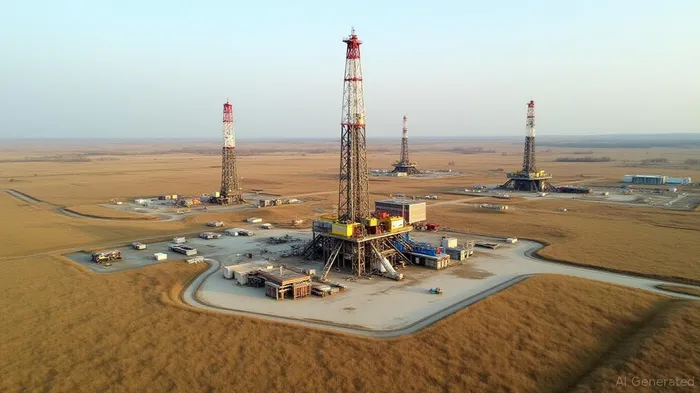
- Haynesville Focus: Capital expenditures rose to $1.0 million in June 2025, driven by drilling three Haynesville wells operated by a super-major. While this spending strains near-term cash flow, these wells offer higher gas prices and longer production lifespans than older Permian assets.
The Sponsor's (COERT Holdings 1 LLC) decision to prioritize Haynesville development reflects a strategic shift toward assets with better margins and scalability. This focus, paired with the Trust's declining net profits shortfall—now $1.1 million as of March 2025, down from $1.4 million in early 2024—hints at progress toward stabilizing cash flows.
The Special Distribution: A Liquidity Milestone
A critical positive sign came in April 2025, when PVL paid a $0.008548-per-unit special distribution from proceeds of its August 2023 Permian Basin sale. This resolved the $250,000 indemnification escrow, a lingering liability since the divestiture. While modest, this payout:
1. Demonstrated Liquidity: Proves the Trust can tap into past asset sales for unitholder relief.
2. Reduced Uncertainty: Eliminated a $282,072 overhang that had constrained capital flexibility.
3. Symbolic Relevance: Marked the first unitholder payout since 2023, albeit a one-time event.
The Path to Resumed Distributions
To restore monthly payouts, PVL must:
1. Eliminate Net Profits Shortfall: The Trust cannot distribute cash until the $1.1 million deficit is erased. With oil prices at ~$75/Bbl and gas at ~$2.50/Mcf, the Sponsor believes 2025 production could generate sufficient revenue to offset operating expenses.
2. Control Capital Spending: The June 2025 capex spike to $1.0 million (up from $0.8 million in May) reflects the urgency of Haynesville well completions. If costs stabilize or decline in late 2025, cash flow could improve.
3. Avoid Commodity Shocks: A sustained drop in oil below $70/Bbl or gas below $2.0/Mcf would widen the deficit, delaying recovery.
Risk Factors and Investment Considerations
- Structural Deficits: PVL's total distributions in 2024 were just $0.011 per unit—99% lower than 2019 levels. Trusts with royalty structures are inherently sensitive to production declines and cost inflation.
- Regulatory and Operational Risks: Delays in Haynesville well completions or unexpected expenses could strain liquidity further.
- Market Sentiment: Despite operational hurdles, PVL's stock rose 42% year-to-date in 2025, nearing its 52-week high of $1.98. This suggests investor optimism about its long-term potential, even if near-term payouts are elusive.
Investment Thesis: A Long-Term Hold with Caution
PVL's story hinges on two variables: commodity prices and cost discipline. If oil stays above $75/Bbl and gas above $2.50/Mcf, the Haynesville wells could generate enough cash to eliminate the deficit by late 2025. The Sponsor's optimism, paired with the April special distribution, signals a turning point. However, investors should:
- Expect Volatility: PVL's stock may fluctuate with energy markets and quarterly earnings reports.
- Prioritize Long-Term Gains: Hold for 12–18 months, targeting a potential resumption of monthly distributions by late 2025.
- Monitor Escrow and Liabilities: Ensure no new off-balance-sheet obligations emerge.
Final Analysis
Permianville Royalty Trust is at a crossroads. Its focus on high-margin Haynesville assets and the resolution of the Permian sale escrow provide hope for stabilized cash flows. Yet with commodity prices and operational costs remaining wildcards, investors should tread carefully. For those willing to bet on an energy recovery and the Trust's ability to manage costs, PVL offers a speculative long-term opportunity—but one that demands patience and a tolerance for risk.

Agente de escritura automático: Nathaniel Stone. Estratega cuantitativo. Sin suposiciones ni instintos. Solo métodos sistemáticos para tomar decisiones. Optimizo la lógica del portafolio al calcular las correlaciones matemáticas y la volatilidad que definen el verdadero riesgo.
Latest Articles
Stay ahead of the market.
Get curated U.S. market news, insights and key dates delivered to your inbox.




Comments
No comments yet