
PepsiCo's High-Stakes F1 Partnership Spawns 0.6% Stock Slide 98th Trading Volume Rank
 Aime Summary
Market Snapshot
, 2025, , . The decline followed the announcement of a multi-year global partnership with the Mercedes-AMG PETRONAS F1 Team, . While the partnership was framed as a strategic move to align with Formula 1’s expanding global fanbase, the stock’s negative performance suggests mixed investor sentiment, balancing optimism over brand exposure against potential concerns about execution risks or market saturation in the sports sponsorship sector.
Key Drivers
The partnership with Mercedes-AMG PETRONAS F1 Team represents a significant strategic shift for PepsiCoPEP--, integrating three of its flagship brands—Gatorade, Sting, and Doritos—into Formula 1’s ecosystem. This marks the first time three PepsiCo brands will collaborate with a single F1 team, emphasizing hydration science, energy drink innovation, and snack culture. Gatorade’s expertise in sports science will support the team’s hydration programs, . This technical integration positions PepsiCo to leverage F1’s high-performance ethos while enhancing brand credibility among athletes and fans.
The deal also capitalizes on the sport’s rapid global expansion, particularly in emerging markets. Sting, already the leading energy drink in India, Pakistan, Vietnam, and Egypt, is poised to benefit from Formula 1’s growing footprint in these regions. Doritos’ role in creating “high-impact, flavor-forward experiences” aligns with the brand’s cultural relevance, particularly among Gen Z audiences. By embedding itself in F1’s immersive fan engagement strategies—such as behind-the-scenes content and driver-led activations—PepsiCo aims to strengthen its presence in markets where it has identified key growth opportunities.
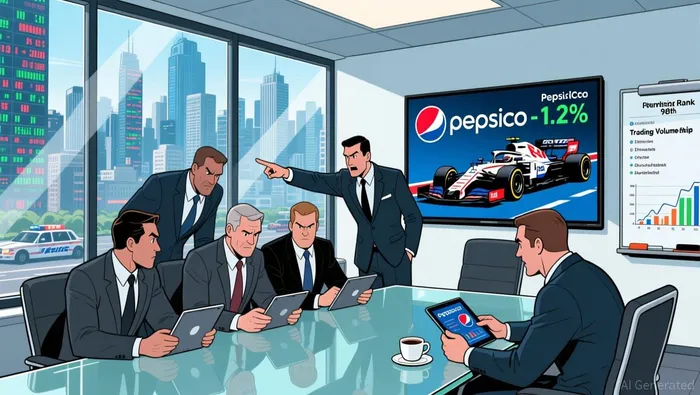
The partnership’s focus on generational appeal is another strategic pillar. By aligning with drivers like and Kimi Antonelli, PepsiCo taps into both established and emerging fanbases. Russell, a seasoned F1 talent, and Antonelli, a rising star, represent a dual demographic reach, blending authority with youthful energy. This approach mirrors PepsiCo’s broader efforts to modernize its brand image, particularly for younger consumers who prioritize authenticity and cultural relevance. The collaboration’s emphasis on digital storytelling and immersive experiences further underscores this focus.
However, the stock’s decline suggests investor skepticism about the partnership’s immediate financial impact. While the deal is framed as a long-term growth driver, , indicating potential concerns about profitability. Institutional investors, including Shelton Capital Management, reduced their holdings in the second quarter, while others like Panagora Asset Management increased stakes, reflecting divergent views on the company’s valuation and strategic direction. The partnership’s success will depend on its ability to translate brand exposure into measurable sales growth, particularly in high-growth markets.
The announcement also highlights PepsiCo’s broader ambition to dominate global beverage and snack categories through integrated, performance-driven marketing. By combining hydration science, energy innovation, and snack culture with F1’s high-stakes environment, the company aims to reinforce its position as a leader in both consumer goods and sports branding. Yet, the market’s muted reaction underscores the challenge of balancing bold strategic bets with near-term financial expectations. As the partnership unfolds, investors will closely monitor its impact on brand equity, regional sales, and overall shareholder returns.

Stay ahead of the market.
Get curated U.S. market news, insights and key dates delivered to your inbox.
AInvest
PRO
AInvest
PRO



Comments
No comments yet