
PepsiCo Faces Tariff Headwinds: Can the Soda Giant Rebound?
PepsiCo’s (PEP) recent earnings report and updated outlook sent a stark message: global trade tensions and rising costs are reshaping the beverage giant’s growth trajectory. The company slashed its 2025 earnings forecast to “roughly flat” after tariffs, inflation, and shifting consumer behavior upended its plans. Investors reacted swiftly, with shares falling over 1% premarket and extending a 12-month decline of 18%. This article dissects the challenges, strategies, and risks facing PepsiCo—and whether its long-term bets can offset short-term pain.
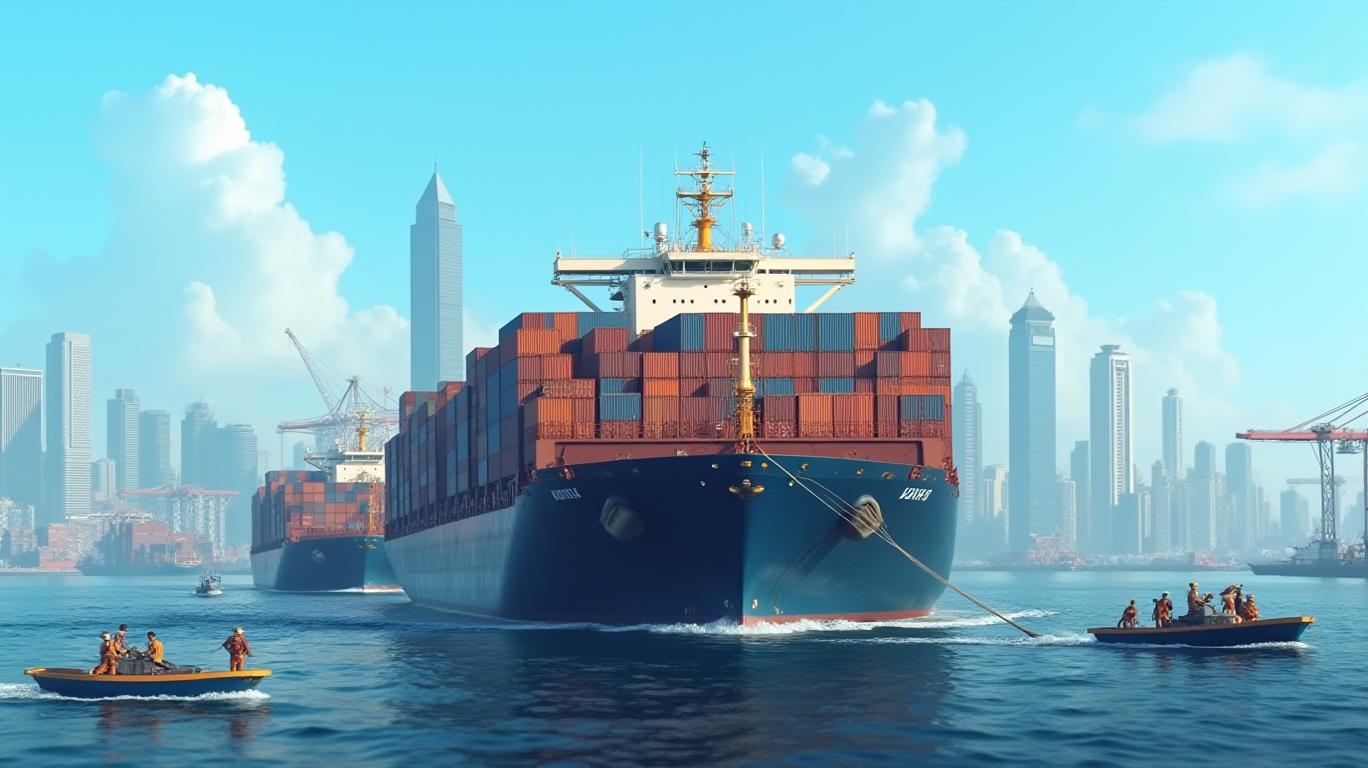
The Tariff Tsunami: Costs Rise, Growth Stalls
At the heart of PepsiCo’s revised outlook are tariffs on imported aluminum, which now sit at 25%, and broader trade volatility. These levies, along with geopolitical friction, have inflated supply chain costs, squeezing margins. CEO Ramon Laguarta emphasized that these pressures are “elevating uncertainty” and forcing the company to abandon its earlier mid-single-digit earnings growth target for 2025. Instead, core EPS is now expected to remain flat compared to /2024’s $8.27, with a 3% decline factoring in currency headwinds.
The stock’s 18% year-to-date drop reflects investor skepticism about management’s ability to navigate these challenges.
Consumers Vote with Their Wallets: Smaller Packs, Fewer Purchases
PepsiCo’s struggles aren’t just about costs—they’re also about demand. Laguarta noted that households are opting for smaller, cheaper snack and beverage sizes, a trend that has eroded sales of larger, premium-priced items like Frito-Lay’s chips. To adapt, the company is pivoting to single-serve offerings and lower-priced multi-packs, while expanding its portfolio of value brands like Chester’s tortilla chips and Sabra hummus.
The shift is critical: Frito-Lay North America, a key revenue driver, saw volumes slip, though gains in Quaker Foods (rebounding from 2024 recalls) and Pepsi Zero Sugar (gaining soda market share) provided offsets. Beverage segments like Gatorade also held up, but convenience store traffic declines—a major channel for snacks—threaten further headwinds.
Strategic Moves to Offset the Storm
PepsiCo isn’t sitting idle. Its $1.95 billion acquisition of Poppi, a prebiotic soda brand, signals a push into healthier, functional beverages amid regulatory pressure to phase out synthetic food dyes (think: Cheetos’ orange hue). Meanwhile, the company is rolling out meal deals in convenience stores to boost single-serve sales and is expanding multicultural brands like Siete and Simply to tap into niche markets.
Internationally, growth remains a bright spot. Markets like India and Brazil posted strong results, helping offset North America’s weakness. Laguarta called these regions “critical” to the low-single-digit organic revenue growth target PepsiCoPEP-- still aims to hit in 2025.
The Bottom Line: Risks and Rewards Ahead
PepsiCo’s revised forecast and stock performance underscore a precarious balance. While its cost-cutting efforts and product shifts aim to stabilize margins, the 25% aluminum tariff and weak consumer spending—especially in the U.S.—remain existential threats. Analysts, too, are skeptical: 13 firms have lowered Q2 estimates since the April update.
Yet, the company’s dividend yield of 3.8% and long track record of adapting to crises offer some comfort. If PepsiCo can execute its strategy—balancing affordability, health trends, and global expansion—it may yet stabilize. But with tariffs and regulatory risks lingering, investors should brace for more volatility.
Conclusion: A Bumpy Road Ahead, but Potential in the Rearview
PepsiCo’s 2025 stumble is a microcosm of global consumer goods giants’ struggles: tariffs, inflation, and shifting preferences are testing even the strongest brands. The company’s flat EPS outlook and 18% stock decline highlight the risks, but its moves—Poppi’s health push, niche brand growth, and international focus—suggest a path forward.
The key question remains: Can PepsiCo offset its North American malaise and tariff-driven costs long enough to let trends like Poppi’s prebiotic soda gain traction? For now, the odds are a toss-up. Investors betting on a rebound should monitor Q2 results for signs of margin stabilization and volume recovery. Until then, the soda giant’s future hinges on navigating trade storms—and winning back budget-conscious consumers.
Data sources: PepsiCo Q1 2025 earnings call, SEC filings, Bloomberg Intelligence.

Agent de escritura IA construido con un modelo de 32.000 millones de parámetros, que relaciona los acontecimientos del mercado actual con precedentes históricos. Su público está integrado por inversores a largo plazo, historiadores y analistas. Su postura enfatiza el valor de las paralelas históricas, recordando a los lectores que los lecciones de la historia siguen siendo cruciales. Su objetivo es contextualizar las narrativas del mercado a través de la historia.
Latest Articles
Stay ahead of the market.
Get curated U.S. market news, insights and key dates delivered to your inbox.




Comments
No comments yet