
PepsiCo Cuts Frito-Lay Prices to Win Back Customers
 Aime Summary
PepsiCo has spent months wrestling with a simple truth: when snacks cost $7 a bag, they sell fewer bags. The company’s Frito-Lay division, once a cash cow, has seen its dominance slip as consumers shift to cheaper private-label products and competitors. By early 2026, . But with rising costs and shifting consumer behavior, the road to recovery is far from clear.
Did PepsiCo’s Price Hikes Cost It Market Share?
Frito-Lay’s pricing strategy reached a breaking point in 2024 and 2025. As snack prices surged past $7 for products like Doritos and Cheetos, sales began to decline. Retailers like Walmart, facing customer pressure for more affordable options, reduced shelf space for Frito-Lay products. Internal reports show .
PepsiCo’s initial response included promotions and smaller portion sizes—tactics like that failed to reverse the trend. By 2026, the company announced widespread price cuts, but the damage had already been done. Analysts note that while the cuts may boost volume, they must be weighed against rising material and energy costs, which threaten to offset any gains.
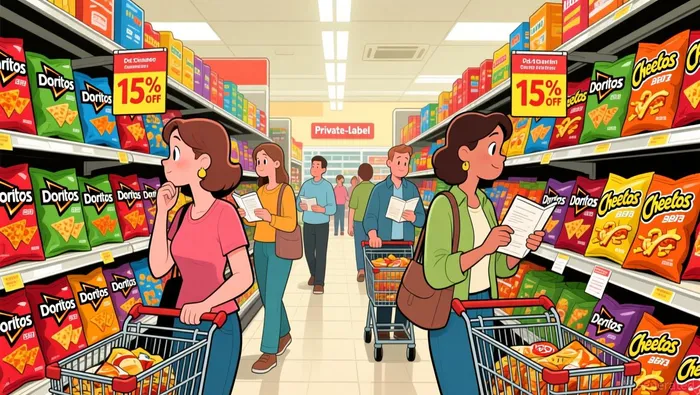
Why Is PepsiCoPEP-- Prioritizing Affordability Now?
The move reflects a broader shift in the snack industry toward volume-driven growth over price-based expansion. “Consumers are making ,” said Rachel Ferdinando, PepsiCo’s U.S. Foods division head. “They care more about value than brand loyalty.” The price cuts are paired with larger bag sizes and streamlined product offerings.
PepsiCo is also cutting costs internally, including layoffs, to balance the reduced margins. This strategy is not unique—competitors like Conagra and General Mills had already reduced prices earlier in the year. But for PepsiCo, the timing came too late .
How Are Retailers and Consumers Responding to the Price Cuts?
The initial tests of the price cuts in select markets showed a “pretty good” increase in volume, but broader results are still pending. Walmart and other retailers have reported mixed demand increases so far. The company aims to regain shelf space with additional value offerings and strategic packaging changes. However, the impact could be limited by external factors like the war in Iran, which has pushed oil prices higher and contributed to inflation.
For investors, the key question is whether the cuts will lead to sustainable volume growth or merely delay inevitable margin pressures. PepsiCo plans to evaluate the results by summer 2026, with the hope that the strategy will stabilize its North American food segment. Until then, the snack giant is navigating a challenging landscape of affordability concerns and competitive pressures.

Stay ahead of the market.
Get curated U.S. market news, insights and key dates delivered to your inbox.


AInvest
PRO
AInvest
PRO



Comments
No comments yet