
PepsiCo Cuts Frito-Lay Prices to Regain Market Share
 Aime Summary
PepsiCo’s Frito-Lay division has been on a rollercoaster ride since snack prices soared to over $7 per bag for products like Doritos. What started as a high-margin strategy eventually backfired, pushing shoppers toward cheaper alternatives and causing billions in revenue shortfalls. Faced with pressure from retailers and investors, . The move aims to reverse the slide in sales, but it’s no easy fix. Rising oil prices and shifting consumer behavior are still major headwinds, and the real test will come this summer.
Why Is PepsiCoPEP-- Cutting Frito-Lay Prices in 2026?
PepsiCo’s Frito-Lay business missed internal revenue targets for two years running, and the culprit was clear: high pricing. Bags of Doritos and Cheetos reached over $7 in some stores, pushing shoppers to private-label alternatives and competitors like Takis. Retailers like Walmart also began reallocating shelf space to their own brands. By early 2026, the company had no choice but to respond. CEO Ramon Laguarta described the cuts as "very surgical," targeting key products and larger bag sizes to maximize volume.
The price reductions are part of a broader strategy to regain market share and stabilize Frito-Lay’s performance. Internal tests showed some success, but the broader economic environment—like rising oil prices from the —adds uncertainty. The company is now watching closely to see if the cuts will be enough to reverse the trend.
What Do the Price Cuts Include, and How Were They Tested?
The cuts focus on some of the most popular products, including Doritos, Cheetos, and Tostitos. The strategy is designed to boost volume by making larger bag sizes more affordable. In some test markets, the price cuts led to positive volume increases.
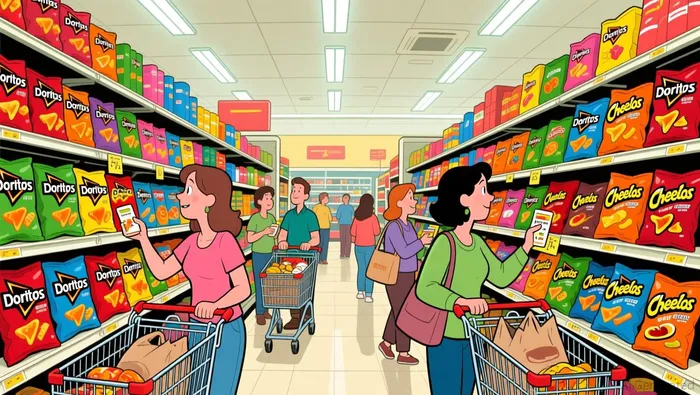
However, the company’s move is more than just lowering prices—it also includes securing additional shelf space at major retailers and streamlining operations. PepsiCo also implemented cost-cutting measures, such as layoffs, to offset potential margin pressures from the price cuts.
The decision to cut prices wasn’t made lightly. For years, PepsiCo resisted lowering snack prices despite internal discussions and retailer pressure. The company finally moved after losing over $1 billion in revenue and facing criticism from investors and analysts. The new pricing strategy is expected to be fully rolled out by the end of 2026.
What Risks Remain for PepsiCo and Frito-Lay?
Despite the strategic shift, PepsiCo faces several challenges. The broader economic environment is still tough, with rising oil prices adding inflationary pressure. This could limit the effectiveness of the price cuts, as consumers remain price-sensitive .
In addition, the snack industry is becoming increasingly competitive. Private-label brands and other snack companies are also adjusting their pricing strategies, making it harder for PepsiCo to gain back lost ground. The company will need to balance affordability with profitability over the long term .
There are also broader industry risks to consider. Food manufacturers are losing pricing power as consumers trade down due to economic uncertainty. —characterized by stagnant growth and rising costs—could further complicate PepsiCo’s recovery .
Ultimately, the success of the price cuts will depend on several factors, including how well consumers respond and whether external conditions stabilize. The coming months will be crucial for Frito-Lay and PepsiCo as a whole.

Stay ahead of the market.
Get curated U.S. market news, insights and key dates delivered to your inbox.


AInvest
PRO
AInvest
PRO



Comments
No comments yet