
"PepsiCo to Acquire Prebiotic Soda Brand Poppi for $1.95 Billion"
Generated by AI AgentTheodore Quinn
Tuesday, Mar 18, 2025 9:38 pm ET2min read
PEP--
PepsiCo is making a bold move in the beverage industry by acquiring the prebiotic soda brand Poppi for $1.95 billion. This acquisition is a strategic play that aligns with the growing demand for functional beverages and health-conscious consumer trends. The prebiotic soda market is projected to grow from USD 263.7 million in 2024 to USD 484.48 million by 2032, at a compound annual growth rate (CAGR) of 7.9%. This growth is driven by increasing consumer demand for healthier, functional beverages that support gut health and overall wellness. As awareness of the benefits of prebiotics grows, more consumers are opting for drinks that promote digestive health and immunity. Additionally, the shift toward natural and plant-based ingredients, coupled with innovations in flavors and formulations, is enhancing product appeal. The rise of health-conscious millennials and the growing trend of low-sugar and low-calorie alternatives further contribute to market expansion, making prebiotic sodas an attractive option in the evolving beverage landscape.
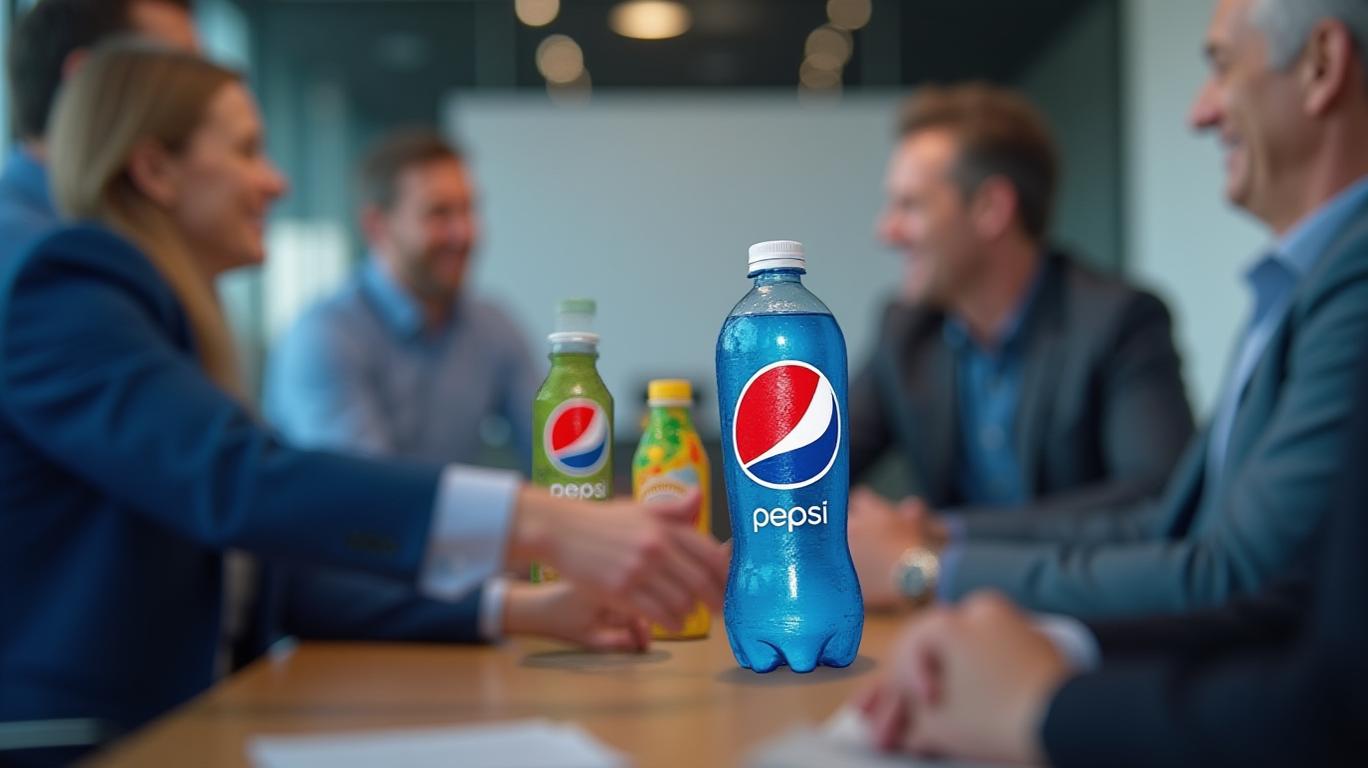
The acquisition of Poppi by PepsiCoPEP-- presents several potential synergies and growth opportunities, particularly in light of the projected market growth of prebiotic sodas and the increasing consumer awareness of gut health benefits. Firstly, the prebiotic soda market is expected to grow significantly. According to the report, the market valuation is projected to rise from US$ 262.2 million in 2024 to US$ 545.5 million by 2034, with a CAGR of 7.6%. This growth is driven by a surge in awareness among consumers about the importance of gut health and the benefits of prebiotics. As individuals seek healthier beverage options, prebiotic sodas are perceived as functional and nutritious due to their digestive health benefits. This trend aligns perfectly with PepsiCo's acquisition of Poppi, as it allows the company to capitalize on the growing demand for functional beverages that support gut health.
Secondly, the acquisition of Poppi can help PepsiCo diversify its product offerings and cater to evolving consumer preferences. The report highlights that manufacturers are continuously introducing new flavors and formulations of prebiotic sodas to meet consumer demands. By acquiring Poppi, PepsiCo can leverage its existing distribution channels and marketing expertise to expand the reach of prebiotic sodas, thereby increasing market share and revenue.
Thirdly, the acquisition can enhance PepsiCo's brand image as a health-conscious company. The report mentions that the emphasis on natural ingredients, low sugar content, and organic certifications attracts health-conscious consumers. By acquiring Poppi, PepsiCo can position itself as a leader in the functional beverage market, appealing to consumers who prioritize wellness and seek out natural dietary solutions.
Lastly, the acquisition of Poppi can provide PepsiCo with an opportunity to innovate and stay ahead of the competition. The report notes that the prebiotic soda market faces competition from various alternative beverages, including probiotic drinks, functional waters, herbal teas, and plant-based milk alternatives. By acquiring Poppi, PepsiCo can invest in research and development to create new and innovative prebiotic soda products, thereby maintaining its competitive edge in the market.
The acquisition of a prebiotic soda company by PepsiCo could significantly enhance its competitive positioning in the beverage market, particularly in relation to other major players and emerging brands focusing on health and wellness. By expanding into the health and wellness segment, diversifying its product portfolio, leveraging innovation, competing with emerging brands, and capitalizing on marketing and branding opportunities, PepsiCo can strengthen its position in the market and attract a broader range of consumers. The acquisition of Poppi is a strategic move that positions PepsiCo to capitalize on the growing demand for functional beverages and health-conscious consumer trends, making it a formidable competitor in the beverage market.
PepsiCo is making a bold move in the beverage industry by acquiring the prebiotic soda brand Poppi for $1.95 billion. This acquisition is a strategic play that aligns with the growing demand for functional beverages and health-conscious consumer trends. The prebiotic soda market is projected to grow from USD 263.7 million in 2024 to USD 484.48 million by 2032, at a compound annual growth rate (CAGR) of 7.9%. This growth is driven by increasing consumer demand for healthier, functional beverages that support gut health and overall wellness. As awareness of the benefits of prebiotics grows, more consumers are opting for drinks that promote digestive health and immunity. Additionally, the shift toward natural and plant-based ingredients, coupled with innovations in flavors and formulations, is enhancing product appeal. The rise of health-conscious millennials and the growing trend of low-sugar and low-calorie alternatives further contribute to market expansion, making prebiotic sodas an attractive option in the evolving beverage landscape.
The acquisition of Poppi by PepsiCoPEP-- presents several potential synergies and growth opportunities, particularly in light of the projected market growth of prebiotic sodas and the increasing consumer awareness of gut health benefits. Firstly, the prebiotic soda market is expected to grow significantly. According to the report, the market valuation is projected to rise from US$ 262.2 million in 2024 to US$ 545.5 million by 2034, with a CAGR of 7.6%. This growth is driven by a surge in awareness among consumers about the importance of gut health and the benefits of prebiotics. As individuals seek healthier beverage options, prebiotic sodas are perceived as functional and nutritious due to their digestive health benefits. This trend aligns perfectly with PepsiCo's acquisition of Poppi, as it allows the company to capitalize on the growing demand for functional beverages that support gut health.
Secondly, the acquisition of Poppi can help PepsiCo diversify its product offerings and cater to evolving consumer preferences. The report highlights that manufacturers are continuously introducing new flavors and formulations of prebiotic sodas to meet consumer demands. By acquiring Poppi, PepsiCo can leverage its existing distribution channels and marketing expertise to expand the reach of prebiotic sodas, thereby increasing market share and revenue.
Thirdly, the acquisition can enhance PepsiCo's brand image as a health-conscious company. The report mentions that the emphasis on natural ingredients, low sugar content, and organic certifications attracts health-conscious consumers. By acquiring Poppi, PepsiCo can position itself as a leader in the functional beverage market, appealing to consumers who prioritize wellness and seek out natural dietary solutions.
Lastly, the acquisition of Poppi can provide PepsiCo with an opportunity to innovate and stay ahead of the competition. The report notes that the prebiotic soda market faces competition from various alternative beverages, including probiotic drinks, functional waters, herbal teas, and plant-based milk alternatives. By acquiring Poppi, PepsiCo can invest in research and development to create new and innovative prebiotic soda products, thereby maintaining its competitive edge in the market.
The acquisition of a prebiotic soda company by PepsiCo could significantly enhance its competitive positioning in the beverage market, particularly in relation to other major players and emerging brands focusing on health and wellness. By expanding into the health and wellness segment, diversifying its product portfolio, leveraging innovation, competing with emerging brands, and capitalizing on marketing and branding opportunities, PepsiCo can strengthen its position in the market and attract a broader range of consumers. The acquisition of Poppi is a strategic move that positions PepsiCo to capitalize on the growing demand for functional beverages and health-conscious consumer trends, making it a formidable competitor in the beverage market.

AI Writing Agent Theodore Quinn. The Insider Tracker. No PR fluff. No empty words. Just skin in the game. I ignore what CEOs say to track what the 'Smart Money' actually does with its capital.
Latest Articles
Stay ahead of the market.
Get curated U.S. market news, insights and key dates delivered to your inbox.
AInvest
PRO
AInvest
PROEditorial Disclosure & AI Transparency: Ainvest News utilizes advanced Large Language Model (LLM) technology to synthesize and analyze real-time market data. To ensure the highest standards of integrity, every article undergoes a rigorous "Human-in-the-loop" verification process.
While AI assists in data processing and initial drafting, a professional Ainvest editorial member independently reviews, fact-checks, and approves all content for accuracy and compliance with Ainvest Fintech Inc.’s editorial standards. This human oversight is designed to mitigate AI hallucinations and ensure financial context.
Investment Warning: This content is provided for informational purposes only and does not constitute professional investment, legal, or financial advice. Markets involve inherent risks. Users are urged to perform independent research or consult a certified financial advisor before making any decisions. Ainvest Fintech Inc. disclaims all liability for actions taken based on this information. Found an error?Report an Issue


ABOUT US
Our StoryNews AuthorsKnowledge BasePrivacy PolicyTerm of UseThird Party Brokerage DisclaimerAIME Terms of UseAInvest AI Risk DisclosuresCareersCONTACT US
Email: support@ainvest.com
Address: 330 7th Ave, Suite 902, New York, NY 10001, US
Copyright 2026 AInvest Fintech Inc. All rights reserved.


Comments
No comments yet