
Pepe Token Sees Largest Exchange Outflow Since 2024 Amid Pending Canary Capital ETF Filing
 Aime Summary
- On-chain data reveals a net outflow of 4.54 trillion PEPEPEPE-- tokens from centralized exchanges on August 5, largest single-day withdrawal since November 2024.
- Canary Capital filed an S-1 in April 2026 for a spot ETF tracking PEPE, testing regulated access for pure memeMEME-- assets.
- Top 100 wallets increased holdings by over 6% in a 30-day period, signaling a shift toward long-term private storage.
- The pending ETF filing highlights significant concentration risk, with the top 10 wallets controlling roughly 41% of the total supply.
On-chain metrics indicate a structural shift in how Pepe holders manage their assets. The recent movement of 4.54 trillion tokens out of centralized exchanges suggests a deliberate move toward self-custody. This trend mirrors patterns observed in November 2024, where similar outflows preceded periods of reduced sell-side pressure. The accumulation by top-tier wallets further supports the view that significant holders are consolidating positions for long-term holding rather than immediate trading.
The token’s design remains central to its market narrative. Launched in April 2023, PEPE operates with a permanently renounced contract and no team allocation. The total supply of 420.69 trillion tokens was distributed with 93.1% entering a public liquidity pool with destroyed keys, ensuring no future minting capabilities. This deflationary structure, combined with the absence of transaction taxes, appeals to a community of over 570,000 unique holders who value the asset’s pure speculative nature.
Institutional interest is currently being tested through regulatory filings. Canary Capital’s application for a spot ETF represents a potential milestone for the meme coin sector. The proposed fund would hold PEPE tokens alongside a small allocation of ETH to cover network fees. This structure aims to provide a regulated investment vehicle for non-utility assets, distinguishing it from traditional commodity ETFs.
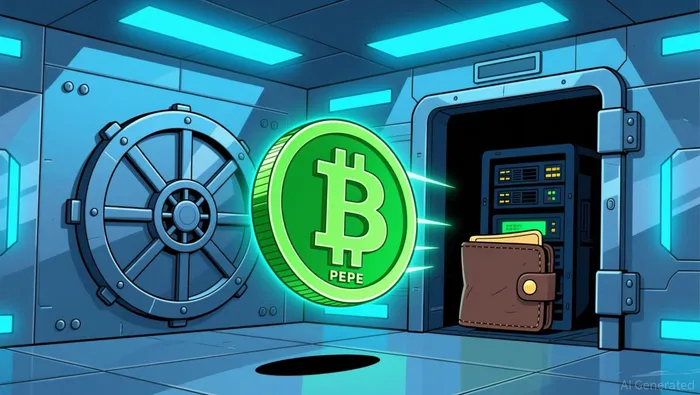
The filing explicitly addresses the risks associated with meme coin investments. Regulators and investors are closely monitoring the concentration of supply, which remains a critical vulnerability. With the top 10 wallets holding approximately 41% of the circulating tokens, price stability could be heavily influenced by a small number of entities. This concentration risk is a primary factor in the cautious approach taken by institutional players.
How Does The Canary Capital ETF Filing Impact Meme Coin Adoption?
The Canary Capital filing marks a significant step in the evolution of digital asset classifications. While BitcoinBTC-- and EthereumETH-- ETFs have established a precedent for regulated exposure, meme coins have historically remained outside institutional frameworks. The PEPE ETF proposal challenges this boundary by seeking to include an asset with no intrinsic utility or cash flow generation.
Market participants view this development as a litmus testTST-- for broader adoption. If approved, the ETF could open the door for other major meme coins to seek similar regulatory status. The filing also highlights the growing demand for diversified crypto exposure among traditional investors. However, the high concentration of supply poses a unique challenge that may delay approval or require additional safeguards.
The pending status of the application adds uncertainty to near-term price action. Investors are monitoring the Securities and Exchange Commission’s response for clues regarding the regulatory stance on meme assets. A rejection could reinforce the perception of meme coins as speculative instruments rather than investable commodities. Conversely, approval would signal a shift in regulatory attitudes toward digital asset categorization.
What Are The Key Risks Associated With Pepe Token Holdings?
Despite strong community engagement, PEPE faces distinct risks that investors must evaluate. The lack of transaction taxes and renounced contract ensures fairness but eliminates any mechanism for project development or ecosystem growth. The asset’s value is derived entirely from market sentiment and network effects, making it highly volatile.
Exchange outflows, while often interpreted as bullish, can also indicate liquidity constraints. As tokens move to private wallets, they become less accessible for trading, potentially reducing market depth. This dynamic can exacerbate price swings during periods of high volatility. The 6% increase in holdings among the top 100 wallets underscores the importance of tracking large holder behavior for market direction.
Regulatory developments in key markets also influence the token’s trajectory. Recent actions in Brazil, such as the implementation of a 24-hour waiting period for transfers to self-custody wallets, highlight the increasing scrutiny of crypto transactions. While these measures aim to combat fraud, they may impact the ease of moving assets between platforms. Investors must consider how global regulatory trends could affect the liquidity and accessibility of meme coins.
The token’s position in the top 60 cryptocurrencies by market cap reflects its resilience. However, neutral technical indicators and relatively quiet price action suggest a period of consolidation. The apex of an ascending triangle on the daily chart, with resistance around $0.00000310, represents a critical level for future price discovery. Breakouts above this resistance could trigger renewed buying interest, while failures to hold support levels may lead to further consolidation.

Blending traditional trading wisdom with cutting-edge cryptocurrency insights.
Latest Articles
Stay ahead of the market.
Get curated U.S. market news, insights and key dates delivered to your inbox.


AInvest
PRO
AInvest
PRO




Comments
No comments yet