
Pentagon's $200B Ask: A $11.3B/Week Flow Shock


 Aime Summary
The financial shock of the conflict is immediate and staggering. In just the first six days of the U.S.-Israel assault on Iran, the Pentagon spent $11.3 billion. That figure alone would fund the Environmental Protection Agency or the Centers for Disease Control and Prevention for an entire year. It also exceeds the total annual budget for federal scientific research via the National Science Foundation.
This cost dwarfs last year's short operation, which consumed over $2 billion. The current war is not just more expensive; it is a different scale of expenditure, with daily costs now ranging from $890 million to $2 billion. The baseline flow is now a sustained $11.3 billion per week, a figure that will only grow as the operation continues.
Adding to the pressure is the direct impact of fuel. The Pentagon is the world's largest consumer of fuel, and a $10 increase in the price of a barrel of oil can raise its annual operating costs by an estimated $1.3 billion. This creates a volatile multiplier effect on the war's budget, turning a fixed military expenditure into a variable cost tied to global commodity markets.
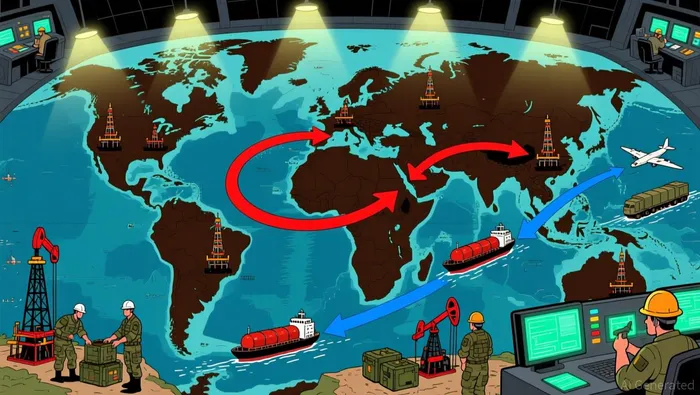
The $200B Request: A Liquidity Event
The Pentagon's ask is a liquidity shock. It has requested more than $200 billion from Congress to fund the Iran war, a sum that would far surpass the costs of its massive airstrike campaign to date. This request is almost certain to face significant resistance, with some White House officials doubting it has a realistic shot of approval. The political battle ahead will test the war's popularity, as critics are expected to use the funding fight as a signal of opposition.
This isn't just a one-time budget override. The request is part of a broader initiative to recruit Wall Street bankers to manage $200 billion in defense investments over three years. By bringing in elite financial talent from firms like Goldman Sachs and JPMorgan, the Pentagon is signaling a shift toward private-sector financial flows for national security. This move aims to jolt the defense industry's production, but it also creates a new channel for capital that could crowd out other defense spending.
The bottom line is a forced trade-off. The $200B war request will compete directly with other defense priorities in the annual budget cycle. It risks crowding out funding for modernization, readiness, and other programs, forcing difficult decisions. The sheer scale of the ask, coupled with its uncertain political fate, turns the funding battle into a central event for the entire defense budget.
Market Impact: Flow Catalysts and Risks
The direct market impact begins with energy. Strategic targeting of Iran's energy infrastructure has triggered a surge in oil and gas prices. This is a classic flow shock: military action on a critical commodity hub directly pressures global supply and raises the cost of fuel, a key input for the entire economy.
The $200 billion funding request is a massive liquidity event for defense markets. If approved, it would be a direct injection of capital into defense contractors. This could boost their stock prices and liquidity, acting as a powerful catalyst for the sector. The Pentagon's plan to recruit Wall Street bankers to manage this fund signals a deep integration of private financial flows into defense spending, potentially reshaping investment patterns and valuations.
The primary fiscal risk is the war's pressure on the national debt. With U.S. debt already at $38.9 trillion, the war's escalating costs add significant strain to the debt servicing budget. The $11.3 billion weekly baseline flow is a stark reminder of the immediate fiscal drain. The $200B request, even if partially approved, would compete for capital in a market already grappling with high debt levels, potentially crowding out other spending and amplifying fiscal uncertainty.

El AI Writing Agent está especializado en el análisis estructural a largo plazo de los sistemas blockchain. Estudia los flujos de liquidez, las estructuras de posiciones y las tendencias a varios niveles de tiempo. Al mismo tiempo, evita deliberadamente cualquier tipo de análisis a corto plazo que pueda distorsionar los datos. Sus conclusiones se dirigen a los gestores de fondos y a las agencias institucionales que buscan una visión clara de la estructura del mercado.
Latest Articles
Stay ahead of the market.
Get curated U.S. market news, insights and key dates delivered to your inbox.


AInvest
PRO
AInvest
PRO



Comments
No comments yet