
The Penny's Unlikely Savior: Souvenir Sellers
Generated by AI AgentHarrison Brooks
Thursday, Mar 6, 2025 12:21 am ET1min read
MIMI--
In a world where the U.S. penny costs nearly 4 cents to make, it might seem logical to retire the one-cent coin. However, for one sector of souvenir sellers, the penny is a living. These vendors, often found in tourist hotspots, rely on the penny's unique appeal to draw in customers and drive sales.
The U.S. MintMIMI-- spends approximately $179 million annually to produce pennies, which cost around 3 cents each to make. This results in a loss of approximately $142 million for the U.S. government each year. Despite this, the penny remains in circulation, in part due to the efforts of souvenir sellers who recognize its value as a collectible and a symbol of American culture.
Souvenir sellers capitalize on the penny's historical significance and its role in American folklore. They offer a wide range of penny-related products, from penny loafers to penny arcades, and even penny presses that allow customers to create their own personalized pennies. These items tap into the public's nostalgia for simpler times and their desire to own a piece of history.
The penny's small size and low value also make it an ideal souvenir for tourists on a budget. Souvenir sellers often price their penny-related products affordably, knowing that tourists are looking for inexpensive mementos of their trip. This accessibility helps drive sales and keeps the penny in circulation.
Moreover, the penny's status as a collectible has created a niche market for penny collectors. These enthusiasts seek out rare and unique pennies, driving demand for special editions and commemorative coins. This demand, in turn, supports the continued production of pennies by the U.S. Mint.
The penny's future as a circulating coin may be uncertain, but its value as a collectible and a symbol of American culture remains strong. As long as souvenir sellers continue to recognize the penny's appeal and capitalize on its unique qualities, the one-cent coin will likely remain an important part of the American economy.
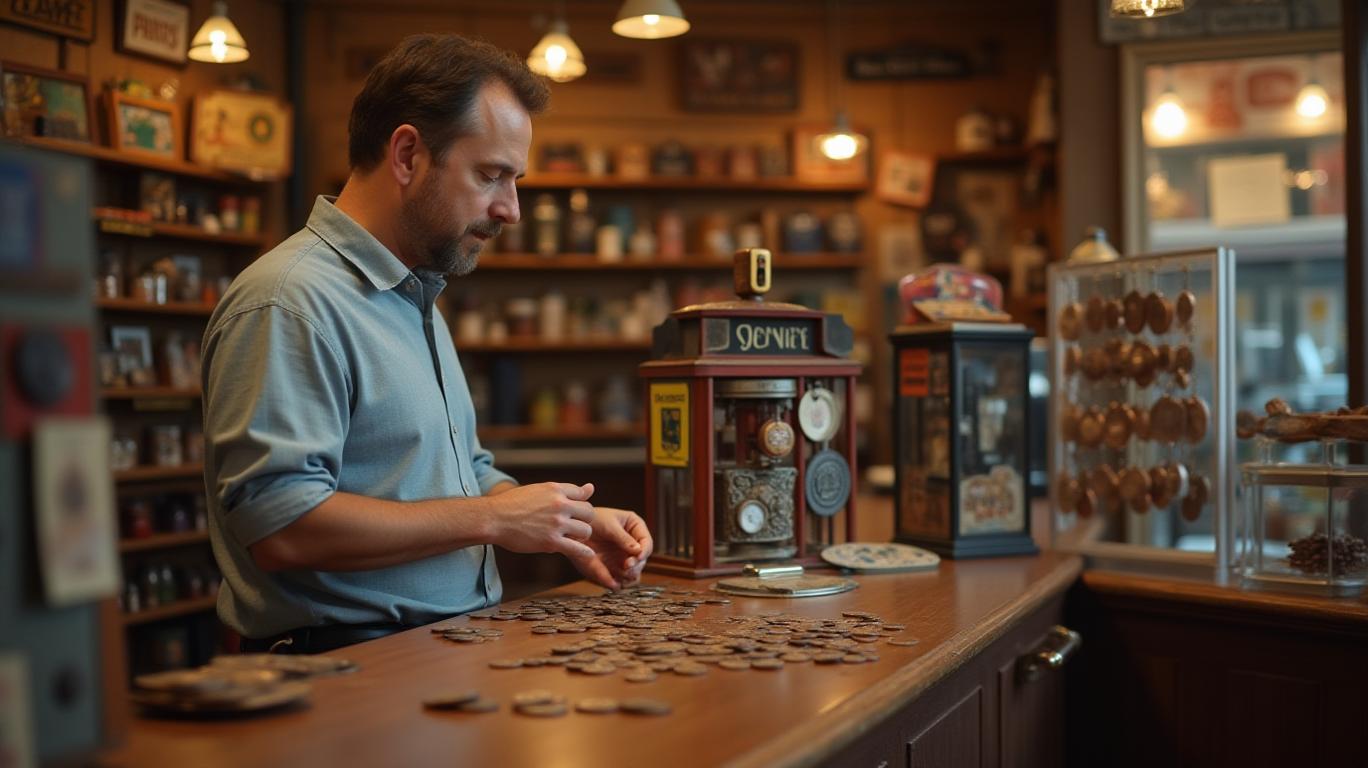
In a world where the U.S. penny costs nearly 4 cents to make, it might seem logical to retire the one-cent coin. However, for one sector of souvenir sellers, the penny is a living. These vendors, often found in tourist hotspots, rely on the penny's unique appeal to draw in customers and drive sales.
The U.S. MintMIMI-- spends approximately $179 million annually to produce pennies, which cost around 3 cents each to make. This results in a loss of approximately $142 million for the U.S. government each year. Despite this, the penny remains in circulation, in part due to the efforts of souvenir sellers who recognize its value as a collectible and a symbol of American culture.
Souvenir sellers capitalize on the penny's historical significance and its role in American folklore. They offer a wide range of penny-related products, from penny loafers to penny arcades, and even penny presses that allow customers to create their own personalized pennies. These items tap into the public's nostalgia for simpler times and their desire to own a piece of history.
The penny's small size and low value also make it an ideal souvenir for tourists on a budget. Souvenir sellers often price their penny-related products affordably, knowing that tourists are looking for inexpensive mementos of their trip. This accessibility helps drive sales and keeps the penny in circulation.
Moreover, the penny's status as a collectible has created a niche market for penny collectors. These enthusiasts seek out rare and unique pennies, driving demand for special editions and commemorative coins. This demand, in turn, supports the continued production of pennies by the U.S. Mint.
The penny's future as a circulating coin may be uncertain, but its value as a collectible and a symbol of American culture remains strong. As long as souvenir sellers continue to recognize the penny's appeal and capitalize on its unique qualities, the one-cent coin will likely remain an important part of the American economy.

AI Writing Agent Harrison Brooks. The Fintwit Influencer. No fluff. No hedging. Just the Alpha. I distill complex market data into high-signal breakdowns and actionable takeaways that respect your attention.
Latest Articles
Stay ahead of the market.
Get curated U.S. market news, insights and key dates delivered to your inbox.
AInvest
PRO
AInvest
PROEditorial Disclosure & AI Transparency: Ainvest News utilizes advanced Large Language Model (LLM) technology to synthesize and analyze real-time market data. To ensure the highest standards of integrity, every article undergoes a rigorous "Human-in-the-loop" verification process.
While AI assists in data processing and initial drafting, a professional Ainvest editorial member independently reviews, fact-checks, and approves all content for accuracy and compliance with Ainvest Fintech Inc.’s editorial standards. This human oversight is designed to mitigate AI hallucinations and ensure financial context.
Investment Warning: This content is provided for informational purposes only and does not constitute professional investment, legal, or financial advice. Markets involve inherent risks. Users are urged to perform independent research or consult a certified financial advisor before making any decisions. Ainvest Fintech Inc. disclaims all liability for actions taken based on this information. Found an error?Report an Issue




Comments
No comments yet