
PENGU's Sharp Price Drop in November 2025: A Case Study in Systemic Risk and Regulatory Scrutiny


 Aime Summary
The cryptocurrency market's volatility has long been a double-edged sword, offering outsized returns to the bold while exposing systemic vulnerabilities to the unwary. In November 2025, the speculative token PENGUPENGU-- became a focal point of this duality, plummeting in value amid a confluence of regulatory tightening, DeFi exploits, and shifting investor sentiment. This analysis unpacks the interplay of these factors, highlighting how speculative crypto assets remain uniquely susceptible to cascading risks in an increasingly regulated landscape.
Regulatory Tightening: A Shadow Over Speculative Assets
The U.S. GENIUS Act, enacted in July 2025, marked a pivotal shift in stablecoin oversight, mandating that issuers back their coins with safe assets and maintain dollar parity, according to a BP Insights analysis. While intended to stabilize the crypto ecosystem, the law inadvertently exposed fragility in DeFi lending platforms, where unregulated leverage and rehypothecation practices thrive, as BP Insights also noted. Meanwhile, the Financial Action Task Force (FATF) Travel Rule, now implemented in 85 of 117 jurisdictions, imposed stringent data-sharing obligations on VirtualCYBER-- Asset Service Providers (VASPs), further constraining liquidity for speculative tokens like PENGU, according to a Relmin Insurance report. These measures, though aimed at curbing illicit activity, have created a regulatory overhang that amplifies market fragility.
The European Union's Markets in Crypto-Assets (MiCA) regulation, effective since late 2024, added another layer of complexity. By imposing comprehensive compliance frameworks, MiCA has forced smaller speculative projects to either adapt or retreat from key markets, as noted in a Wral article. While this fosters long-term stability, it has also intensified competition for tokens like PENGU, which lack the institutional backing of blue-chip assets.
Market Sentiment: Whales and the Flight to Safety
November 2025 saw a dramatic shift in investor behavior, driven by the actions of large holders. A $11 billion BitcoinBTC-- whale, for instance, initiated a $235 million short position, signaling bearish conviction amid macroeconomic headwinds such as U.S. government shutdowns and tariff uncertainties, according to a CoinMarketCap analysis. This whale's strategic repositioning-moving Bitcoin to new wallets and exchanges-triggered a wave of short-term selling pressure, exacerbating downward trends in speculative assets.
Retail investors, meanwhile, faced a perfect storm. A tragic case involving a young trader who lost their parents' life savings in a PENGU-like altcoin investment underscored the emotional and financial toll of speculative trading, as described in a Wral article. Such stories, amplified by social media, accelerated risk-off behavior, with liquidity fleeing smaller tokens as investors sought refuge in Bitcoin and EthereumETH--.
Systemic Risks: DeFi Exploits and Cascading Failures
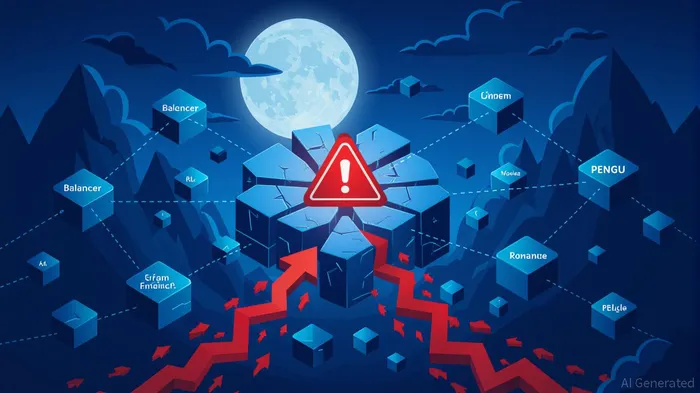
The most immediate catalyst for PENGU's collapse was the BalancerBAL-- DeFi exploit on November 3, 2025, which drained $128.6 million from liquidity pools across multiple chains, as reported in a Wral article. This attack, exploiting vulnerabilities in smart contract logic, triggered a domino effect: stablecoins like xUSDXUSD-- depegged, and platforms such as Stream Finance reported $93 million in losses, according to a Crypto.ro report. The interconnectedness of DeFi protocols meant that PENGU, despite no direct link to the exploit, faced a liquidity crunch as users withdrew funds en masse.
The European Systemic Risk Board (ESRB) had already flagged such risks in October 2025, warning that multi-issuer stablecoins and cross-chain activities could destabilize traditional financial systems, according to a European Systemic Risk Board report. The Balancer incident validated these concerns, with DeFi total value locked (TVL) plummeting by $42 billion in the aftermath, according to a Coinotag report. For speculative tokens like PENGU, the lack of collateral or utility made them particularly vulnerable to panic-driven sell-offs.
The Road Ahead: Mitigating Systemic Risks
Regulators and market participants are now racing to address these vulnerabilities. The Commodity Futures Trading Commission (CFTC) has pushed for crypto spot trading oversight, leveraging existing legal authorities to close regulatory gaps, as reported in a CoinDesk article. Meanwhile, tools like RedStone's Credora platform are gaining traction, offering real-time credit risk assessments for DeFi protocols, according to a Coinotag report.
For investors, the lesson is clear: speculative crypto assets remain high-risk bets, particularly in an environment where regulatory and technological shocks can trigger rapid devaluations. While innovation in DeFi and memeMEME-- tokens will persist, the November 2025 turmoil underscores the need for caution, diversification, and a keen eye on systemic interdependencies.

Mezclando la sabiduría tradicional en el comercio con las perspectivas más avanzadas sobre criptomonedas.
Latest Articles
Stay ahead of the market.
Get curated U.S. market news, insights and key dates delivered to your inbox.






Comments
No comments yet