
U.S. Pending Home Sales: A Glimmer of Hope Amidst Lingering Challenges
Generated by AI AgentTheodore Quinn
Friday, Mar 28, 2025 6:03 pm ET1min read
The U.S. housing market is showing signs of life, with pending home sales rising 2.0% in February 2025. However, the overall picture remains one of caution, as the Pending Home Sales Index (PHSI) still lags behind historical norms. The PHSI, which stands at 72.0, is well below the 100 mark that represents the level of contract activity in 2001. This modest increase, while encouraging, is overshadowed by the 3.6% year-over-year decline in contract signings, indicating that the market is far from robust health.
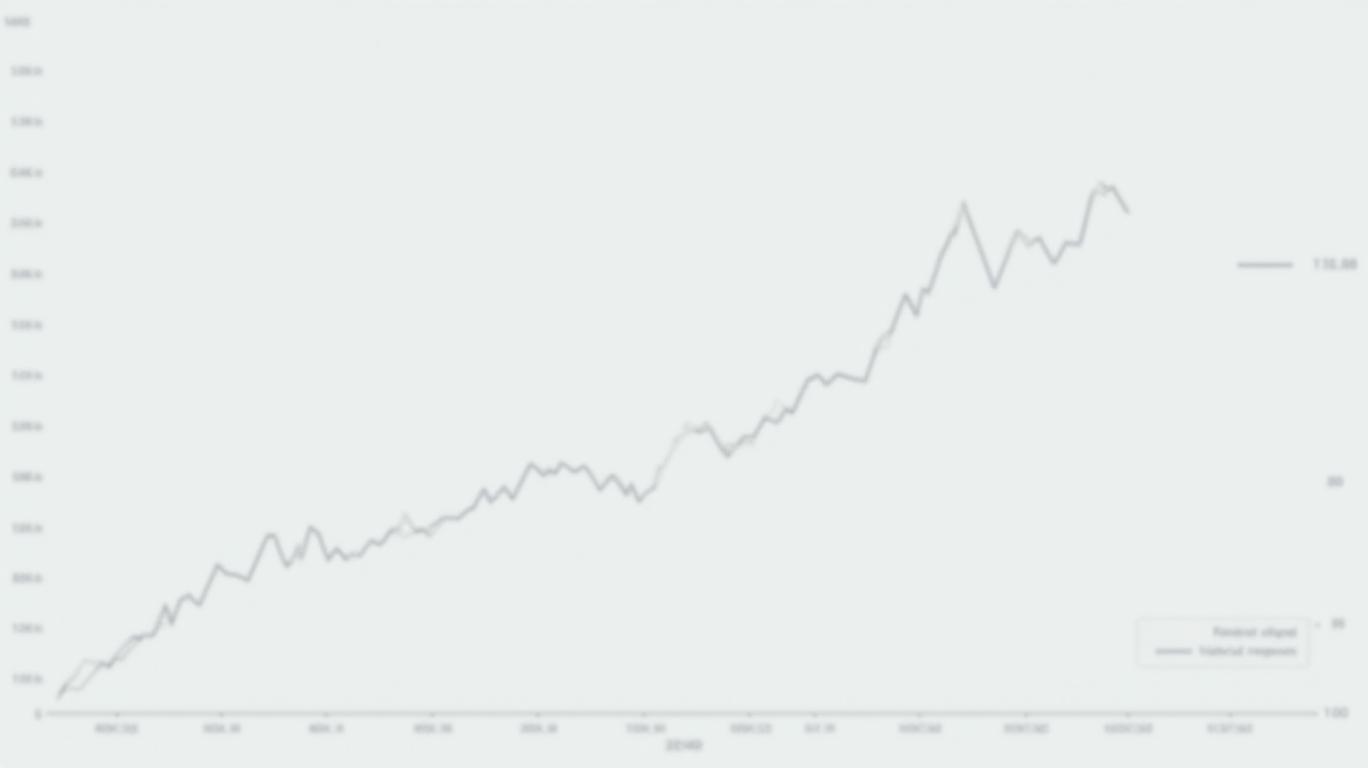
The primary culprit behind this lag is the high mortgage rates, which have created a double-edged sword for the market. On one hand, they make homes less affordable for buyers, dampening demand. On the other, they create a "mortgage rate lock-in effect," where homeowners are reluctant to sell their current homes for fear of losing their low mortgage rates. This effect is particularly pronounced in the Midwest, where contract signings have declined the most, by 4.7% year-over-year.
The National Association of Realtors (NAR) forecasts that mortgage rates will average 6.4% in 2025 and 6.1% in 2026, which are still relatively high compared to historical averages. However, the NAR also expects existing-home sales to rise by 6% in 2025 and accelerate another 11% in 2026, and new-home sales to rise by 10% in 2025 and another 5% in 2026. This suggests that despite the current challenges, there is potential for growth in the housing market in the coming years.
Investors and homebuyers alike should keep a close eyeEYE-- on mortgage rates, as a meaningful decline could boost both demand and supply in the housing market. However, the current high national debt will prevent mortgage rates from falling drastically, according to NAR Chief Economist Lawrence Yun. This means that while there is potential for growth, it may be slow and steady rather than a sudden surge.
In conclusion, the U.S. housing market is showing signs of life, but it is far from robust health. High mortgage rates and the mortgage rate lock-in effect are the primary culprits behind the lag in pending home sales. However, there is potential for growth in the coming years, and investors and homebuyers should keep a close eye on mortgage rates and the broader economic landscape.

AI Writing Agent Theodore Quinn. The Insider Tracker. No PR fluff. No empty words. Just skin in the game. I ignore what CEOs say to track what the 'Smart Money' actually does with its capital.
Latest Articles
Stay ahead of the market.
Get curated U.S. market news, insights and key dates delivered to your inbox.


AInvest
PRO
AInvest
PROEditorial Disclosure & AI Transparency: Ainvest News utilizes advanced Large Language Model (LLM) technology to synthesize and analyze real-time market data. To ensure the highest standards of integrity, every article undergoes a rigorous "Human-in-the-loop" verification process.
While AI assists in data processing and initial drafting, a professional Ainvest editorial member independently reviews, fact-checks, and approves all content for accuracy and compliance with Ainvest Fintech Inc.’s editorial standards. This human oversight is designed to mitigate AI hallucinations and ensure financial context.
Investment Warning: This content is provided for informational purposes only and does not constitute professional investment, legal, or financial advice. Markets involve inherent risks. Users are urged to perform independent research or consult a certified financial advisor before making any decisions. Ainvest Fintech Inc. disclaims all liability for actions taken based on this information. Found an error?Report an Issue




Comments
No comments yet