
Pearl: Apparel Giants Face Margin Risks Amid Digital Expansion and Institutional Shifts
 Aime Summary
- Ralph Lauren forecasts Asia revenues to increase in the high-single digits for the current fiscal year, with China expected to grow in the mid-teens.
- Institutional investors have significantly increased their stakes in VF Corporation, with Quent Capital LLC boosting its position by over 1,600 percent.
- Despite strong digital momentum, apparel giants face headwinds from rising cost bases, tariff uncertainties, and potential supply-chain disruptions.
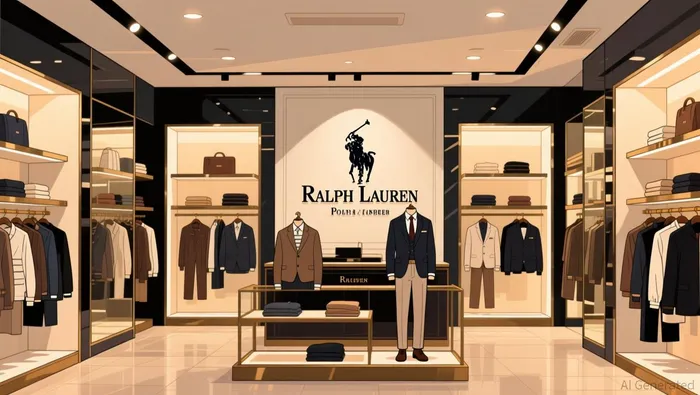
Ralph Lauren Corporation is projecting robust revenue growth in its Asian markets, driven by strong brand momentum and significant expansion opportunities in key regions. The company specifically anticipates growth in China to accelerate into the mid-teens range, supported by substantial investments in digital infrastructure and omnichannel integration. These structural improvements are designed to deepen consumer engagement and expand the brand's global reach, particularly among younger and more diverse demographics. Digital sales now represent a growing share of total revenues, a trend fueled by continuous capital allocation toward personalization technologies and enhanced mobile capabilities.
The company’s strategic focus on digital strength includes advanced fulfillment capabilities and integrated loyalty programs. Management believes these initiatives will positively impact both top-line and bottom-line results in the upcoming quarter. However, the preliminary fiscal 2027 outlook considers significant macroeconomic risks, including tariffs, inflationary pressures, and foreign currency volatility. Prudence regarding consumer demand suggests potential challenges to cost structures and operational efficiency in the near term.
Meanwhile, VF Corporation, the global apparel and footwear conglomerate behind brands like The North Face, Vans, and Timberland, has seen notable accumulation by institutional investors. Versant Capital Management Inc. increased its stake by purchasing an additional 5,503 shares, while Quent Capital LLC aggressively boosted its exposure by 1,635.2 percent during the fourth quarter. These moves contribute to a high level of institutional ownership, with 86.84 percent of VF's stock currently held by institutional investors and hedge funds.
This accumulation suggests strong confidence in VF's 'house of brands' strategy, which leverages the unique heritage of distinct labels to serve various lifestyle segments. However, this institutional buying activity stands in contrast to broader Wall Street sentiment, as top-rated analysts did not include VF among their preferred stocks for immediate investment. The divergence between shareholder conviction and analyst recommendations highlights a potential disconnect in market expectations.
Despite these growth drivers, the apparel sector faces significant headwinds from rising cost bases. Ralph LaurenRL-- plans to maintain marketing spend at approximately 8 percent of sales in fiscal 2027, covering brand activations, technology, and store growth. If revenue growth moderates, this higher run-rate of spending could constrain near-term margin expansion. Management has highlighted volatility in the operating environment, raising the risk of plan revisions if demand or costs change unexpectedly.
Specific risks include potential supply-chain disruptions affecting product availability for key seasonal items, which could disrupt sales and inventory planning. Additionally, energy price volatility may continue to pressure cost structures, impacting operational efficiency. The combination of modest cost pressures and cautious consumer demand outlook suggests that investors should monitor these factors closely.
Ralph Lauren trades at a premium valuation relative to its industry peers, yet exhibits weak earnings momentum with a negative Earnings Surprise Prediction. The stock trades at a forward price-to-earnings ratio of 20.03 times, significantly higher than the Textile - Apparel industry average of 15.49 times. Despite this premium, RL's stock has underperformed the industry, rising only 7.3 percent over the past year compared to the industry's 10.9 percent growth.
Fundamentally, RLRL-- shows weak predictive signals for the upcoming earnings report, holding a Zacks Rank of 3, which indicates neutral momentum. This contrasts sharply with peers like Cintas Corporation and SharkNinja, which show stronger earnings surprise potential and growth trajectories. The lack of immediate catalysts present in higher-ranking peers may explain RL's relative underperformance and valuation premium without corresponding momentum support.
Deckers Outdoor Corporation continues to expand its portfolio of lifestyle and performance brands, leveraging proprietary manufacturing and direct-to-consumer retail strategies. The company holds brands such as UGG, HOKA, and Teva, serving both fashion-focused and performance-oriented customers. Institutional investors, including the Healthcare of Ontario Pension Plan Trust Fund, maintain significant holdings in the company, reflecting confidence in its diverse brand portfolio.
The company's strategy focuses on leveraging the unique attributes of each brand to capture distinct market segments, supported by a robust direct-to-consumer presence. This approach allows Deckers to serve a wide range of customer needs while maintaining operational flexibility. However, the broader macroeconomic environment remains a critical factor influencing consumer spending and brand performance across the entire apparel sector.
The apparel industry is currently navigating a complex landscape of digital transformation and macroeconomic uncertainty. Companies like Ralph Lauren and VF Corporation are investing heavily in digital infrastructure to drive growth, but these investments come with increased cost burdens. Investors must weigh the potential for revenue growth against the risks of margin compression and operational inefficiencies.
Institutional activity suggests that long-term investors see value in these established brands, even as short-term analysts remain cautious. The divergence in sentiment highlights the importance of evaluating each company's specific strategic initiatives and cost management capabilities. As the fiscal year progresses, the ability to maintain brand momentum while controlling costs will be a key determinant of success.
Supply-chain resilience and consumer confidence remain critical variables for the sector. Disruptions in global logistics or shifts in consumer spending habits could significantly impact inventory planning and sales projections. Companies with strong omnichannel capabilities and diversified brand portfolios may be better positioned to navigate these challenges.
Ultimately, the performance of major apparel brands will depend on their ability to balance growth investments with cost discipline. The coming quarters will provide critical insights into how effectively these companies can adapt to a volatile economic environment while sustaining their brand equity and market share.

Blending traditional trading wisdom with cutting-edge cryptocurrency insights.
Latest Articles
Stay ahead of the market.
Get curated U.S. market news, insights and key dates delivered to your inbox.


AInvest
PRO
AInvest
PRO




Comments
No comments yet