
peaq Gains Attention Amid AI and Web3 Infrastructure Innovation
 Aime Summary
AI innovation is driving the development of smarter and more resilient Web3 infrastructure, as highlighted at the AWS Financial Services Symposium.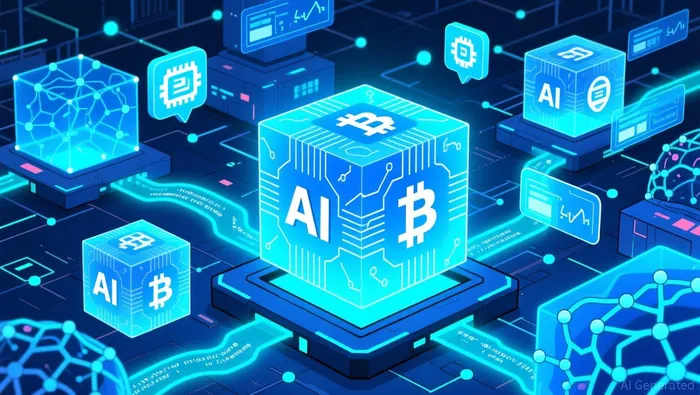 - AI's integration with Web3 is creating new opportunities for decentralized systems, according to OKX's Lennix.
- Crypto exchange selection criteria include supported assets, fees, and security, particularly relevant for Australian users.
- AI's integration with Web3 is creating new opportunities for decentralized systems, according to OKX's Lennix.
- Crypto exchange selection criteria include supported assets, fees, and security, particularly relevant for Australian users.
The convergence of artificial intelligence (AI) and blockchain infrastructure is shaping the next evolution of decentralized systems, as noted by industry leaders like OKX's Lennix at the AWS Financial Services Symposium. This development is redefining how Web3 protocols are designed and implemented, emphasizing efficiency and resilience.
Investors and developers are increasingly exploring how AI can optimize consensus mechanisms and enhance data integrity in blockchain applications. This shift is prompting discussions about the long-term sustainability of decentralized networks and their ability to scale.
In parallel, users evaluating crypto exchanges—particularly in Australia—are prioritizing factors like security, supported assets, and transaction fees according to Finder. As AI-driven platforms evolve, these considerations will play a role in how users interact with and trust decentralized financial systems as noted by Finder.
How is AI reshaping Web3 infrastructure?
AI is enabling the creation of protocols that adapt dynamically to network conditions, improving performance and reducing inefficiencies. These innovations are especially relevant for projects seeking to scale in a resource-constrained environment according to research.
Decentralized platforms are experimenting with machine learning algorithms to automate data validation and enhance smart contract functionality. This approach is attracting attention from both institutional and retail investors who see AI as a catalyst for broader blockchain adoption.
Developers are also exploring AI's role in optimizing decentralized storage solutions and reducing energy consumption. These advancements could influence regulatory frameworks and investor confidence in emerging blockchain ecosystems.
What factors should investors consider when selecting a crypto exchange?
Exchange selection is often based on criteria such as fee structures, liquidity, and security measures according to Finder. In 2026, these factors remain central to user decision-making, particularly as markets become increasingly competitive as reported by Finder.
Beginners may prioritize user-friendly interfaces and customer support, while experienced traders may look for advanced order types and high liquidity according to market analysis. These preferences reflect the diverse needs of the global crypto trading community as noted by Finder.
Regulatory compliance and privacy policies are also key considerations for investors according to Finder. As AI-driven platforms evolve, these factors will likely play a larger role in how users assess exchange credibility and risk as research indicates.

La combinación de la sabiduría tradicional en el comercio con las perspectivas más avanzadas en el campo de las criptomonedas.
Latest Articles
Stay ahead of the market.
Get curated U.S. market news, insights and key dates delivered to your inbox.


AInvest
PRO
AInvest
PRO



Comments
No comments yet