
Peace or Betrayal? Trump's Ukraine Plan Faces Bipartisan Backlash Over Russian Concessions


 Aime Summary
The Trump administration's controversial 28-point peace plan to end the Ukraine war has drawn sharp criticism from both Republican and Democratic senators, who argue the proposal dangerously acquiesces to Russian demands and undermines Ukrainian sovereignty. The plan, drafted in secret negotiations between U.S. officials and the Kremlin without direct Ukrainian involvement, would require Kyiv to cede territory, limit its military capabilities, and forgo NATO membership. The framework, which draws parallels to Trump's earlier Gaza ceasefire efforts, has been met with bipartisan condemnation as a potential betrayal of Ukraine's security and a reward for Russian aggression according to sources.
The plan's key provisions include granting Russia de facto control over the Donbas region, Crimea, and parts of Kherson and Zaporizhzhia, while imposing strict limits on Ukraine's military size and long-range missile capabilities. U.S. officials have emphasized that the plan aims to establish security guarantees for Ukraine and redefine U.S.-Russia relations, but critics argue it effectively legitimizes Russia's territorial gains and weakens Kyiv's defensive posture. The proposal also excludes a U.S.-backed peacekeeping force, a demand previously rejected by Russia according to analysis.
The backlash has been swift and bipartisan. Senate Foreign Relations Committee members, including Democrats Jeanne Shaheen and Thom Tillis, called the plan an "outrage" and warned it would "fatally degrade Ukraine's ability to defend itself" according to reports. Independent Senator Angus King compared the proposal to the Munich Pact of 1938, a historic failure of appeasement, while Republican hawks like Mitch McConnell and Lindsey Graham accused the administration of prioritizing "appeasing Putin" over genuine peace according to analysis. "This is pure and simple-it rewards aggression," King said at the Halifax International Security Forum according to reports.
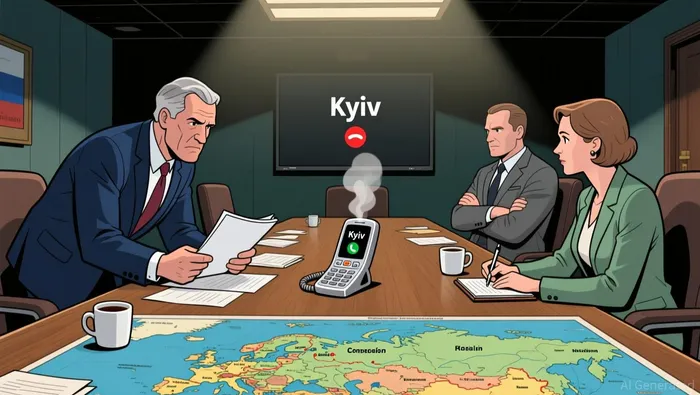
European allies and Ukrainian officials have also expressed skepticism. The plan, drafted with Russian input, omits key security assurances and sidesteps Kyiv's sovereignty concerns. Ukraine's president, Volodymyr Zelenskyy, has rejected the proposal, emphasizing that "Russia will definitely not be the master" of Ukraine according to reports. Meanwhile, European governments, uninvolved in the plan's drafting, have called for "additional work" to address its shortcomings according to analysis.
The administration has set a Thanksgiving deadline for Zelenskyy to respond, but Trump himself has hinted the offer is not final. "He can continue to fight his little heart out," Trump said, leaving the door open for further negotiations according to reports. However, with Kyiv facing internal political scandals and battlefield pressures, the U.S. push for a quick resolution has intensified.
The plan's fate remains uncertain, but its critics argue it risks cementing Russian gains and eroding global trust in U.S. leadership. "Lasting peace comes not from conceding to aggression, but from the strength and unity of free nations," stated the bipartisan Congressional Ukraine Caucus. As the deadline looms, the debate over how to balance diplomacy with deterrence in Ukraine will likely define the next phase of the war.

Stay ahead of the market.
Get curated U.S. market news, insights and key dates delivered to your inbox.


AInvest
PRO
AInvest
PRO



Comments
No comments yet