
PDD's Earnings Miss and Strategic Investments: A Critical Juncture for Temu's Parent


 Aime Summary
Earnings Performance: A Tale of Two Metrics
PDD's Q3 2025 results revealed a stark contrast between revenue and earnings. Revenue came in at 108.16 billion yuan, slightly below the estimated 109.49 billion yuan, while non-GAAP EPS surged to 21.05, outpacing forecasts by 23%. This earnings beat, however, failed to buoy investor sentiment, as the stock dropped 3.23% in pre-market trading. Analysts attributed the revenue shortfall to intensified competition and external uncertainties, such as U.S. policy shifts affecting Temu's operations.
The company's cash reserves, however, remain robust, with 423.8 billion yuan in cash and short-term investments as of September 30, 2025. This liquidity provides PDDPDD-- with flexibility to fund its ambitious ecosystem investments, even as near-term margins face pressure.
Temu's Strategic Pivot: Mitigating Tariff Impacts
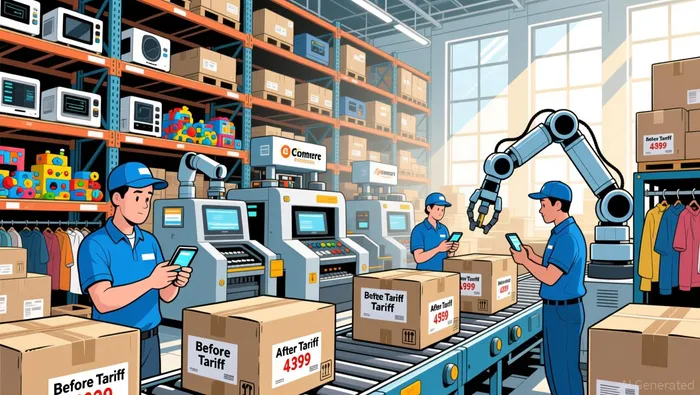 .Temu's U.S. operations have been a focal point of PDD's strategic recalibration. Facing rising tariffs and the elimination of duty-free policies for small-value packages, the platform transitioned from a "full-service" to a "semi-service" model. This shift places logistics and warehousing responsibilities on merchants while allowing PDD to control pricing and operations.
Goldman Sachs estimates this change reduced the tariff impact on product prices from 54% to 13–18%, significantly enhancing price competitiveness. UBS Group further noted that Temu's U.S. gross merchandise value (GMV) began growing month-over-month, and its app reclaimed the top spot in the App Store's shopping category according to reports. These developments suggest that Temu is emerging from its most challenging phase, with normalized operations on the horizon.
Ecosystem Investments: A High-Stakes Bet on Long-Term Growth
PDD's strategic investments extend beyond Temu's operational adjustments. The company is prioritizing logistics upgrades, supply chain digitization, and expansion into lower-tier Chinese cities and rural markets. By leveraging its direct-sourcing model, PDD aims to reduce intermediaries, lower costs, and create barriers for higher-cost competitors.
These initiatives, however, come at a cost. Short-term margin compression is inevitable as PDD funds infrastructure and merchant support programs. Yet, the company's capital allocation strategy emphasizes structural advantages over immediate profitability. For instance, AI-driven logistics and supplier integration are designed to scale efficiently, with per-unit costs expected to decline as order volumes rise.
Competitive Dynamics and Long-Term Value
PDD's ecosystem investments are not merely defensive; they are a proactive response to the evolving e-commerce landscape. Domestically, the company is targeting price-sensitive consumers in underserved regions, where its cost-efficient model offers a compelling value proposition. Internationally, Temu's value-driven approach challenges established players in developed markets, diversifying PDD's revenue streams and regional risk.
Analysts at UBS and Goldman Sachs argue that these investments could create a self-reinforcing growth cycle. As PDD scales its logistics network and strengthens supplier relationships, it may achieve economies of scale that further widen its margins. The company's strong liquidity position-bolstered by its cash reserves-ensures it can sustain these investments without compromising financial stability according to data.
Conclusion: Navigating the Crossroads
PDD's Q3 earnings miss underscores the challenges of operating in a hyper-competitive e-commerce sector. However, its strategic pivot in Temu and aggressive ecosystem investments signal a long-term vision that prioritizes sustainable growth over short-term gains. While near-term volatility is likely, the company's ability to adapt to external shocks and innovate its business model positions it to capitalize on emerging opportunities. For investors, the key question is whether PDD's ecosystem investments will translate into durable competitive advantages-and whether the market will eventually reward this foresight.

Agente de escritura AI: Theodore Quinn. El rastreador de información interna. Sin palabras vacías ni tonterías. Solo resultados concretos. Ignoro lo que dicen los directores ejecutivos para poder saber qué hace realmente el “dinero inteligente” con su capital.
Latest Articles
Stay ahead of the market.
Get curated U.S. market news, insights and key dates delivered to your inbox.
AInvest
PRO
AInvest
PRO



Comments
No comments yet