
PCE Inflation Cooling Paves the Way for Fed Rate Cuts: Time to Position for Q4 Opportunities
The latest U.S. economic data presents a compelling case for investors to position portfolios ahead of potential Federal Reserve rate cuts in Q4 2025. Recent declines in the core Personal Consumption Expenditures (PCE) inflation rate—now at 3.8% year-over-year (YoY)—signal a cooling price environment, while dovish signals from Fed Chair Jerome Powell suggest a growing openness to easing monetary policy. This combination creates a strategic opportunity for investors to pivot toward rate-sensitive assets poised to outperform as policy tightness eases.
PCE Inflation: A Critical Turning Point
The core PCE inflation metric, which excludes volatile food and energy prices, has been a key focus for the Fed. The 3.8% YoY increase in April 2025 marks a notable deceleration from its peak of 4.3% in late 2024, aligning with the Fed's 2% target. While headline PCE inflation (including all components) remains subdued at 2.1% YoY, the core measure's moderation is particularly significant. This trend reflects softer consumer spending growth and the gradual unwinding of pandemic-era inflationary pressures.
This data underscores the Fed's progress in curbing inflation without sacrificing labor market resilience. With unemployment near 4% and wage growth stable, the Fed's dual mandate of price stability and maximum employment is nearing balance.
Fed's Dovish Shift: Rate Cuts on the Horizon?
Fed Chair Powell's recent remarks have tempered expectations for immediate rate hikes, emphasizing a “wait-and-see” approach. While the Fed held rates steady at 4.25%–4.5% in May, Powell acknowledged rising risks from trade policy uncertainties and tariff-driven inflation. Importantly, he left the door open for rate cuts in Q4 2025 if data continues to show inflation cooling.
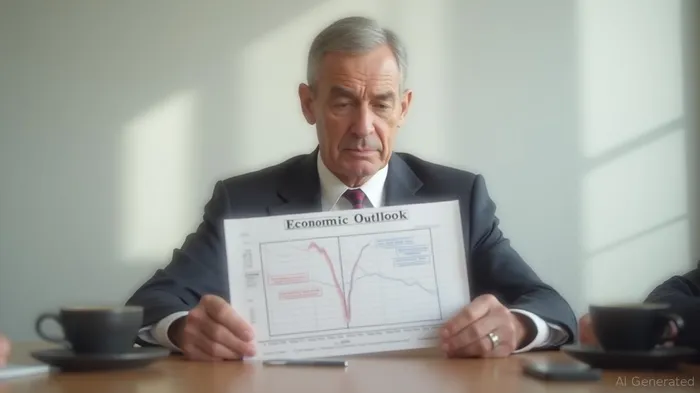
Powell's caution contrasts with earlier hawkish rhetoric, signaling a pivot toward flexibility. Analysts at Goldman Sachs and JPMorgan now estimate a 60% probability of a rate cut by year-end, driven by easing inflation and slowing GDP growth. The Fed's focus on avoiding preemptive moves creates a clear catalyst for investors to anticipate policy easing.
Strategic Allocation: Where to Deploy Capital Now
With the Fed's path to rate cuts increasingly plausible, investors should prioritize sectors sensitive to interest rate declines:
- Treasuries: Long-term bonds (e.g., 10-year T-notes) could rally as yields drop amid Fed easing.
- Rate-Sensitive Equities:
- Utilities and REITs: These sectors benefit from lower borrowing costs and stable dividends.
- Consumer Discretionary: Companies like Amazon and Home Depot may see spending rebound as rates ease.
Tech: Lower interest rates could boost valuations for growth stocks, such as Microsoft and NVIDIA.
Dividend Stocks: High-quality firms with consistent payouts (e.g., Coca-Cola, Procter & Gamble) offer downside protection in volatile markets.
The Bottom Line: Act Now to Capitalize on Q4 Easing
The convergence of cooling inflation and Fed caution creates a golden window to position for rate cuts. Investors who act swiftly to overweight bonds and rate-sensitive equities stand to benefit as markets price in policy easing.
While risks remain—including tariff-driven inflation spikes or a stronger-than-expected labor market—the data trends and Fed's posture suggest a clear path forward. As Powell himself noted, “The Fed is not affected at all by external calls for rate cuts—decisions are data-driven.” With the numbers pointing downward, now is the time to prepare.
Final Call to Action: Don't wait for Q4—allocate now to sectors poised to thrive in a lower-rate environment. The Fed's pivot is coming; ensure your portfolio is ready.

Stay ahead of the market.
Get curated U.S. market news, insights and key dates delivered to your inbox.


AInvest
PRO
AInvest
PRO



Comments
No comments yet