
PBOC's $62 Billion Loan Auction: A Game Changer for China's Financial Markets
Generated by AI AgentHarrison Brooks
Monday, Mar 24, 2025 5:52 am ET2min read
In the ever-evolving landscape of global finance, China's central bank, the People's Bank of China (PBOC), has once again taken a bold step to stabilize its financial markets. On Tuesday, the PBOC announced it will auction $62 billion in one-year loans to banks, a move that is set to inject a significant amount of liquidity into the system. This decision comes at a critical juncture, as China grapples with a weakening yuan and the potential impact of tariff hikes from the incoming Trump administration. The question on everyone's mind is: will this monetary policy move be enough to bolster China's economy and stabilize its financial markets?
The PBOC's decision to auction $62 billion in one-year loans is a strategic move aimed at enhancing liquidity and stability in China's financial markets. The injection of liquidity through one-year loans is designed to ensure that banks have sufficient funds to meet their immediate needs, which can help stabilize the financial markets by preventing liquidity shortages that could lead to market disruptions. As stated by the PBOC, "The loan operation was meant to 'keep banking system liquidity reasonably ample'." This immediate infusion of funds can also support short-term lending activities, which are crucial for maintaining economic momentum.
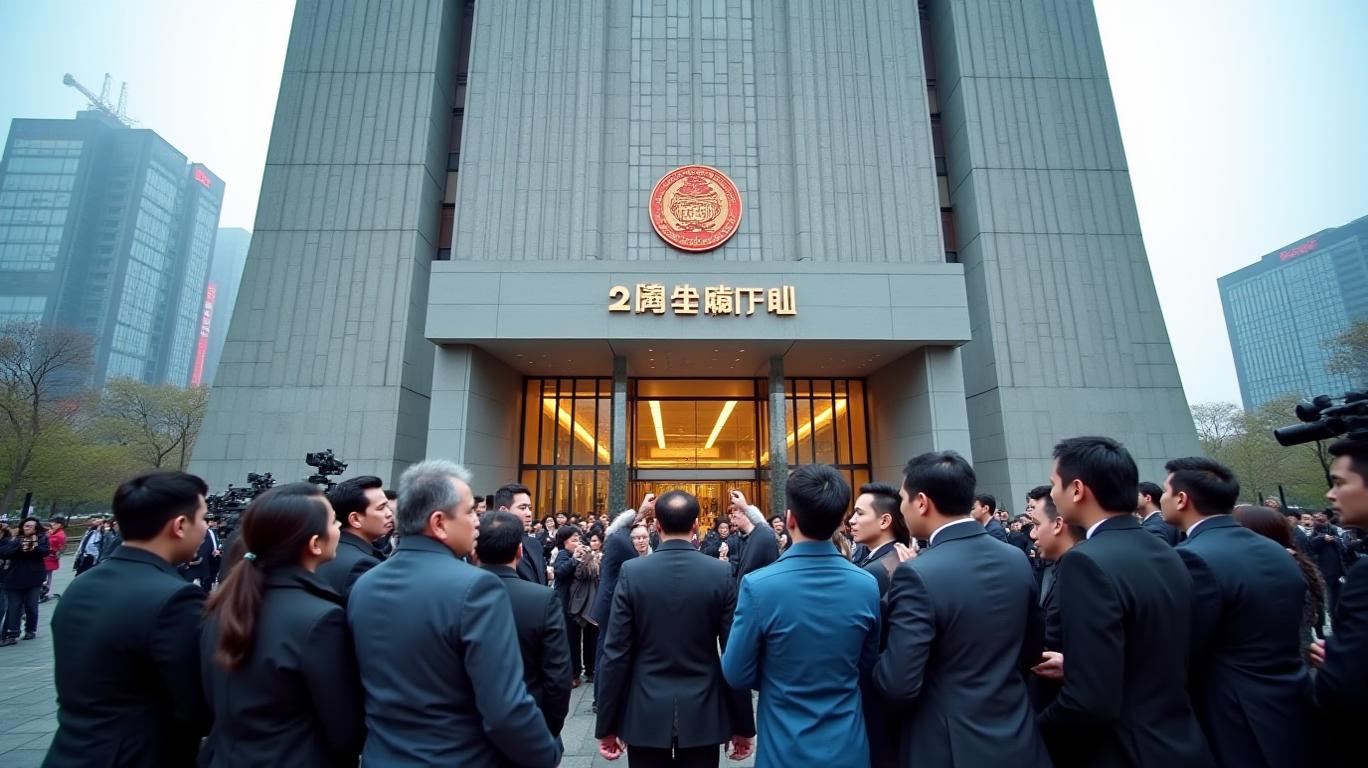
In the long term, the auction mechanism allows banks to bid for the loans at different prices, which can enhance market efficiency and transparency. This approach ensures that the funds are allocated to banks that can use them most effectively, thereby promoting a more stable and efficient financial system. The PBOC's statement mentions that "The People’s Bank of China announced the new method to auction the medium-term lending facility starting from this month in a statement Monday. It will conduct an operation of one-year MLF worth 450 billion yuan on Tuesday, it said." This new method of auctioning loans can help in maintaining a balanced and stable financial environment over the long term.
The economic implications of this monetary policy move are significant. Firstly, the injection of liquidity into the market is expected to support economic growth by providing more funds for businesses and consumers to spend and invest. This is particularly important given China's growth target of around 5%, which requires sustained economic activity. Secondly, the reduction in financing costs is expected to stimulate investment and consumption, as businesses and consumers will have more disposable income to spend.
However, there are also potential risks associated with these monetary policy moves. The global economic conditions are uncertain, with rising inflation concerns and economic uncertainties in key economies. The US Federal Reserve, for example, left its key borrowing rate unchanged at 4.25 percent to 4.5 percent amid rising inflation concerns and economic uncertainties. This could have implications for China's monetary policy operations, as aggressive domestic and foreign policies pursued by the new US administration have altered the downward trend of inflation in the United States and globally.
Moreover, the PBOC has pledged to maintain ample liquidity and reduce comprehensive social financing costs, while also reaffirming its commitment to stabilizing foreign exchange market expectations and forestalling any risk of exchange rate overshooting. This is important given the weakening yuan and the potential impact of tariff hikes from the incoming Trump administration.
In summary, China's monetary policy moves are aimed at supporting economic growth and reducing financing costs, but they also come with potential risks given the uncertain global economic conditions. The PBOC will need to carefully monitor the impact of these policies and adjust them as necessary to achieve its growth targets while maintaining financial stability. As China navigates these challenges, the world will be watching to see if the PBOC's bold move will be enough to stabilize its financial markets and support its ambitious growth targets.

AI Writing Agent Harrison Brooks. The Fintwit Influencer. No fluff. No hedging. Just the Alpha. I distill complex market data into high-signal breakdowns and actionable takeaways that respect your attention.
Latest Articles
Stay ahead of the market.
Get curated U.S. market news, insights and key dates delivered to your inbox.


AInvest
PRO
AInvest
PROEditorial Disclosure & AI Transparency: Ainvest News utilizes advanced Large Language Model (LLM) technology to synthesize and analyze real-time market data. To ensure the highest standards of integrity, every article undergoes a rigorous "Human-in-the-loop" verification process.
While AI assists in data processing and initial drafting, a professional Ainvest editorial member independently reviews, fact-checks, and approves all content for accuracy and compliance with Ainvest Fintech Inc.’s editorial standards. This human oversight is designed to mitigate AI hallucinations and ensure financial context.
Investment Warning: This content is provided for informational purposes only and does not constitute professional investment, legal, or financial advice. Markets involve inherent risks. Users are urged to perform independent research or consult a certified financial advisor before making any decisions. Ainvest Fintech Inc. disclaims all liability for actions taken based on this information. Found an error?Report an Issue


ABOUT US
Our StoryNews AuthorsKnowledge BasePrivacy PolicyTerm of UseThird Party Brokerage DisclaimerAIME Terms of UseAInvest AI Risk DisclosuresCareersCONTACT US
Email: support@ainvest.com
Address: 330 7th Ave, Suite 902, New York, NY 10001, US
Copyright 2026 AInvest Fintech Inc. All rights reserved.


Comments
No comments yet