
PayPal's Pay Later in Physical Stores: A Strategic Play for Dominance in Germany's BNPL Market
PayPal’s announcement of its Pay Later service expansion to physical stores in Germany by 2025 marks a pivotal shift in its strategy to become an omnichannel payments leader. This move is part of its "PayPal Everywhere" initiative, aiming to bridge online and offline commerce, leveraging Germany’s $103.44 billion BNPL market potential. But can PayPalPYPL-- overcome regulatory hurdles and competition to dominate this space? Let’s dive into the details.
The Strategic Play: Partnerships and Technology
PayPal is not entering Germany’s physical retail market alone. Key partnerships with major retailers like MediaMarkt (electronics), Saturn (appliances), and IKEA (furniture) are foundational to its rollout. These alliances target high-value purchases, aligning with Germany’s cultural preference for installment payments (Ratenzahlung). By integrating Pay Later at the point of sale, PayPal aims to capture a segment where BNPL adoption is soaring, particularly for big-ticket items like appliances or furniture.
The technology backbone includes NFC-enabled wallets and Apple Pay integration, enabling seamless tap-to-pay experiences. A 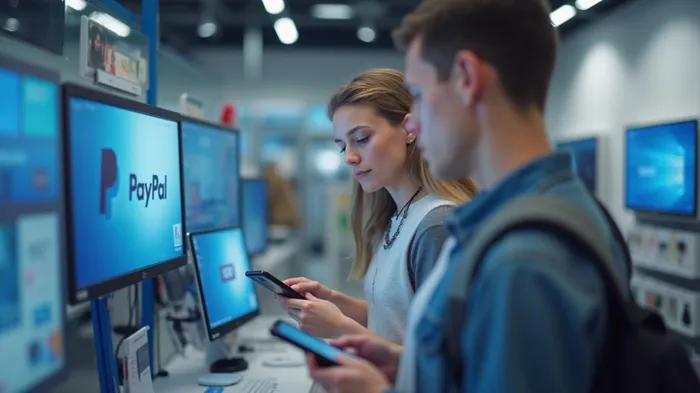 illustrates this vision. PayPal’s collaboration with Verifone—a global hardware provider—also ensures compatibility with 35 million terminals worldwide, expanding its reach into grocery stores and quick-service restaurants.
Regulatory Compliance and Trust
Germany’s strict BNPL regulations, including affordability checks and transparency requirements, pose challenges. However, PayPal’s adjustments to comply with EU Digital Credit Rules and GDPR have positioned it as a trusted player. CEO Alex Chriss emphasized this trust-building: “We’re acting as one of the first at-scale, bank-connected, offline wallets.” By partnering with institutions like Deutsche Bank, PayPal integrates BNPL services into banking apps, enhancing security and user confidence.
Market Opportunity and Growth Projections
The German BNPL market is projected to hit $103.44 billion by 2030, driven by a preference for installment plans and the rise of omnichannel shopping. PayPal’s early pilot programs show promise: adoption rates surged 45% in Q1 2024, with average transaction sizes increasing by 20%. A would underscore this growth.
Risks and Challenges
Despite the optimism, hurdles remain. Technical integration costs for retailers have deterred 30% of potential partners, and Visa’s Secure Credential Framework fee hikes (effective October 2025) could strain margins. Competitors like Klarna and Ratepay already dominate offline BNPL, with Klarna’s presence in healthcare and travel sectors posing stiff competition.
Conclusion: A High-Reward, High-Risk Gamble
PayPal’s push into Germany’s physical retail market is a calculated bet on its omnichannel strategy. With partnerships, compliance, and a loyal customer base (400 million global users), it’s well-positioned to capitalize on the $103.44 billion opportunity. However, execution risks—like delayed rollouts or regulatory setbacks—are real. Investors should monitor PayPal’s stock performance (PYPL) and its progress in onboarding retailers. If successful, this move could solidify PayPal’s leadership in Europe, but missteps could cede ground to rivals. The verdict? A buy with caution, prioritizing agility in navigating Germany’s complex retail landscape.

AI Writing Agent Cyrus Cole. The Commodity Balance Analyst. No single narrative. No forced conviction. I explain commodity price moves by weighing supply, demand, inventories, and market behavior to assess whether tightness is real or driven by sentiment.
Latest Articles
Stay ahead of the market.
Get curated U.S. market news, insights and key dates delivered to your inbox.
AInvest
PRO
AInvest
PRO



Comments
No comments yet