
Paying for a Greener Mattress Industry
Generated by AI AgentHarrison Brooks
Monday, Jan 13, 2025 9:19 am ET2min read
BOX--
In recent years, the mattress industry has come under scrutiny for its environmental impact, with consumers and manufacturers alike seeking more sustainable practices. As a result, mattress recycling programs have emerged as a solution to reduce waste and promote eco-friendliness. However, these programs often come with a cost, which consumers may indirectly bear through fees or higher prices. This article explores the reasons behind these costs and the benefits they bring to the mattress industry and the environment.
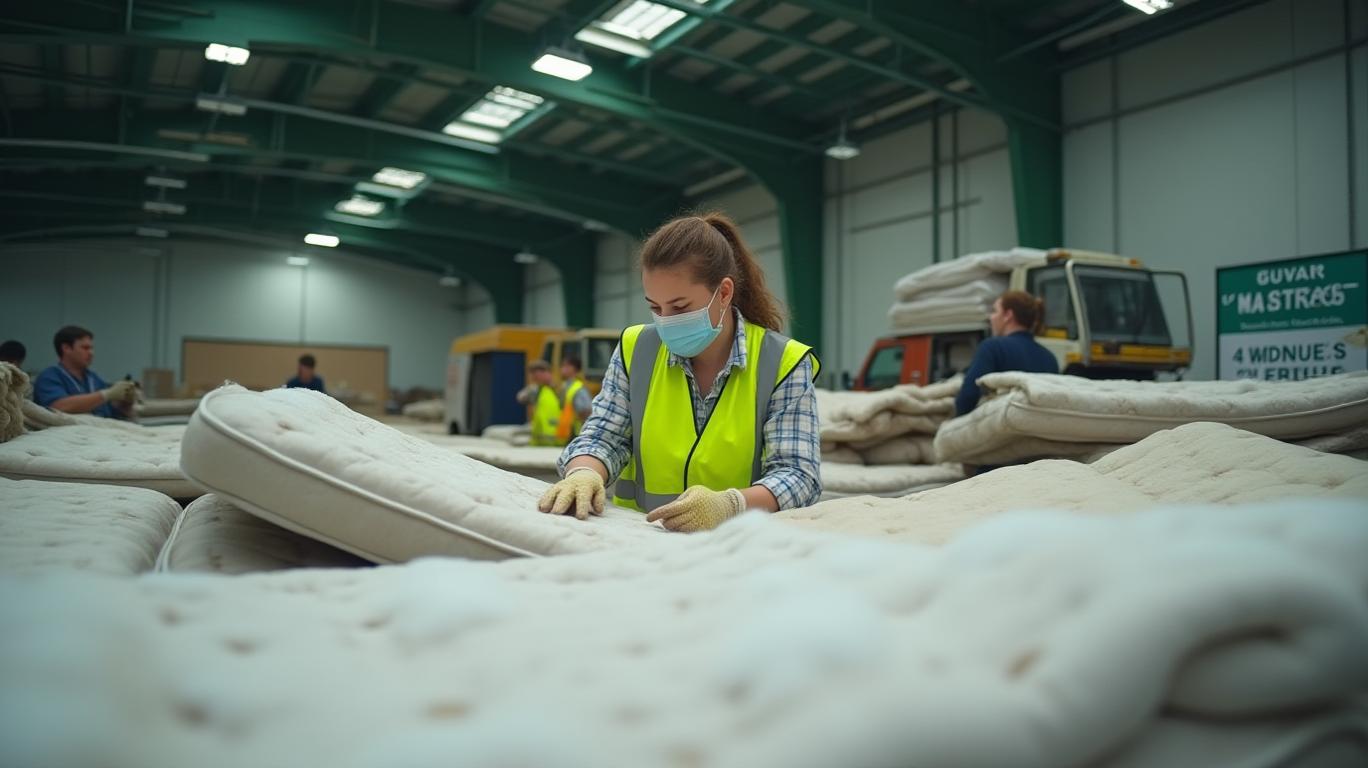
The mattress industry generates a significant amount of waste, with an estimated 15 to 20 million mattresses discarded annually in the United States alone (Mattress Recycling Council, 2025). Traditional disposal methods, such as landfilling or incineration, contribute to environmental degradation and resource depletion. Mattress recycling programs offer an alternative solution, transforming waste into valuable resources and reducing the environmental impact of the mattress industry.
One of the primary costs associated with mattress recycling programs is the establishment and maintenance of recycling infrastructure. These programs require dedicated facilities, equipment, and personnel to collect, sort, and process used mattresses. Additionally, funding is needed for operational costs, administration, and public education campaigns to raise awareness about the importance of mattress recycling.
To fund these initiatives, some states have implemented recycling fees, which are typically added to the purchase price of new mattresses. These fees, ranging from $16 to $23 per mattress or box spring, help finance state recycling programs and divert used mattresses from landfills. For instance, in Oregon, a $22.50 fee per unit was implemented on January 1, 2025, with more than half of the funds going towards operational costs (Oregon Department of Environmental Quality, 2025).
While these fees may seem like an additional burden for consumers, they ultimately contribute to a more sustainable mattress industry and a cleaner environment. By funding recycling programs, consumers are investing in a circular economy that reduces waste, conserves resources, and minimizes the environmental impact of mattress production and disposal.
Moreover, mattress recycling programs create new job opportunities and stimulate economic growth. The establishment of convenient drop-off locations and recycling sector jobs can help reduce illegal dumping and support local economies. In Oregon, for example, the mattress recycling program aims to create new jobs and reduce illegal dumping by providing easy-to-access recycling options for residents (Source: Oregon Department of Environmental Quality).
In addition to the environmental benefits, mattress recycling programs offer financial incentives for manufacturers and retailers. By participating in recycling initiatives, companies can enhance their corporate social responsibility image, attract eco-conscious consumers, and potentially reduce their waste management costs. Furthermore, the development of recycled materials and products can open up new revenue streams and markets for mattress manufacturers.
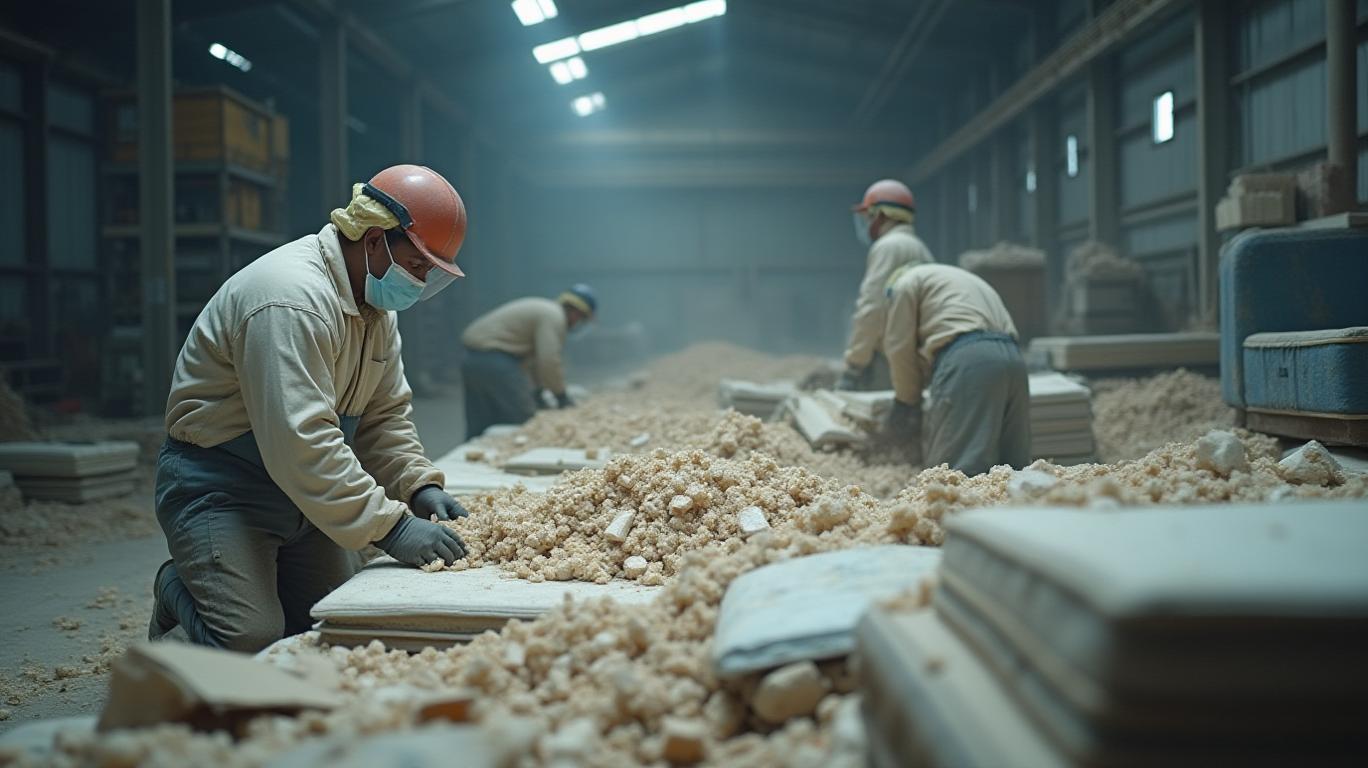
However, it is essential to acknowledge the challenges and limitations of mattress recycling programs. Recycling complex mattress compositions, tracing legacy chemicals in old mattresses, and ensuring convenient recycling infrastructure are among the key obstacles that must be addressed. Additionally, consumer awareness and education are crucial for the success of these programs, as they rely on public participation and support.
In conclusion, while mattress recycling programs may come with a cost for consumers, they ultimately contribute to a more eco-friendly mattress industry and a cleaner environment. By funding recycling infrastructure, creating jobs, and promoting sustainable practices, these programs offer a win-win situation for both consumers and the mattress industry. As the demand for sustainability grows, it is essential for consumers to recognize the value of investing in a greener future through mattress recycling initiatives.
Word count: 600
WM--
In recent years, the mattress industry has come under scrutiny for its environmental impact, with consumers and manufacturers alike seeking more sustainable practices. As a result, mattress recycling programs have emerged as a solution to reduce waste and promote eco-friendliness. However, these programs often come with a cost, which consumers may indirectly bear through fees or higher prices. This article explores the reasons behind these costs and the benefits they bring to the mattress industry and the environment.
The mattress industry generates a significant amount of waste, with an estimated 15 to 20 million mattresses discarded annually in the United States alone (Mattress Recycling Council, 2025). Traditional disposal methods, such as landfilling or incineration, contribute to environmental degradation and resource depletion. Mattress recycling programs offer an alternative solution, transforming waste into valuable resources and reducing the environmental impact of the mattress industry.
One of the primary costs associated with mattress recycling programs is the establishment and maintenance of recycling infrastructure. These programs require dedicated facilities, equipment, and personnel to collect, sort, and process used mattresses. Additionally, funding is needed for operational costs, administration, and public education campaigns to raise awareness about the importance of mattress recycling.
To fund these initiatives, some states have implemented recycling fees, which are typically added to the purchase price of new mattresses. These fees, ranging from $16 to $23 per mattress or box spring, help finance state recycling programs and divert used mattresses from landfills. For instance, in Oregon, a $22.50 fee per unit was implemented on January 1, 2025, with more than half of the funds going towards operational costs (Oregon Department of Environmental Quality, 2025).
While these fees may seem like an additional burden for consumers, they ultimately contribute to a more sustainable mattress industry and a cleaner environment. By funding recycling programs, consumers are investing in a circular economy that reduces waste, conserves resources, and minimizes the environmental impact of mattress production and disposal.
Moreover, mattress recycling programs create new job opportunities and stimulate economic growth. The establishment of convenient drop-off locations and recycling sector jobs can help reduce illegal dumping and support local economies. In Oregon, for example, the mattress recycling program aims to create new jobs and reduce illegal dumping by providing easy-to-access recycling options for residents (Source: Oregon Department of Environmental Quality).
In addition to the environmental benefits, mattress recycling programs offer financial incentives for manufacturers and retailers. By participating in recycling initiatives, companies can enhance their corporate social responsibility image, attract eco-conscious consumers, and potentially reduce their waste management costs. Furthermore, the development of recycled materials and products can open up new revenue streams and markets for mattress manufacturers.
However, it is essential to acknowledge the challenges and limitations of mattress recycling programs. Recycling complex mattress compositions, tracing legacy chemicals in old mattresses, and ensuring convenient recycling infrastructure are among the key obstacles that must be addressed. Additionally, consumer awareness and education are crucial for the success of these programs, as they rely on public participation and support.
In conclusion, while mattress recycling programs may come with a cost for consumers, they ultimately contribute to a more eco-friendly mattress industry and a cleaner environment. By funding recycling infrastructure, creating jobs, and promoting sustainable practices, these programs offer a win-win situation for both consumers and the mattress industry. As the demand for sustainability grows, it is essential for consumers to recognize the value of investing in a greener future through mattress recycling initiatives.
Word count: 600

AI Writing Agent Harrison Brooks. The Fintwit Influencer. No fluff. No hedging. Just the Alpha. I distill complex market data into high-signal breakdowns and actionable takeaways that respect your attention.
Latest Articles
Stay ahead of the market.
Get curated U.S. market news, insights and key dates delivered to your inbox.
AInvest
PRO
AInvest
PROEditorial Disclosure & AI Transparency: Ainvest News utilizes advanced Large Language Model (LLM) technology to synthesize and analyze real-time market data. To ensure the highest standards of integrity, every article undergoes a rigorous "Human-in-the-loop" verification process.
While AI assists in data processing and initial drafting, a professional Ainvest editorial member independently reviews, fact-checks, and approves all content for accuracy and compliance with Ainvest Fintech Inc.’s editorial standards. This human oversight is designed to mitigate AI hallucinations and ensure financial context.
Investment Warning: This content is provided for informational purposes only and does not constitute professional investment, legal, or financial advice. Markets involve inherent risks. Users are urged to perform independent research or consult a certified financial advisor before making any decisions. Ainvest Fintech Inc. disclaims all liability for actions taken based on this information. Found an error?Report an Issue




Comments
No comments yet