
PAXG Surpasses $2 Billion Market Cap as Tokenized Gold Gains Institutional and Retail Adoption
 Aime Summary
- PAX Gold (PAXG) tokenizes physical gold into a digital asset, enabling 24/7 trading and fractional ownership while retaining the value of the underlying metal according to reports.
- PAXG has surpassed a $2 billion market cap, with $9.95 billion in 24-hour trading volume, indicating its growing role as a bridge between traditional gold investments and blockchain-based finance according to reports.
- The token represents one fine troy ounce of London Good Delivery gold, stored in LBMA-certified vaults and verifiable on the EthereumETH-- blockchain according to reports.
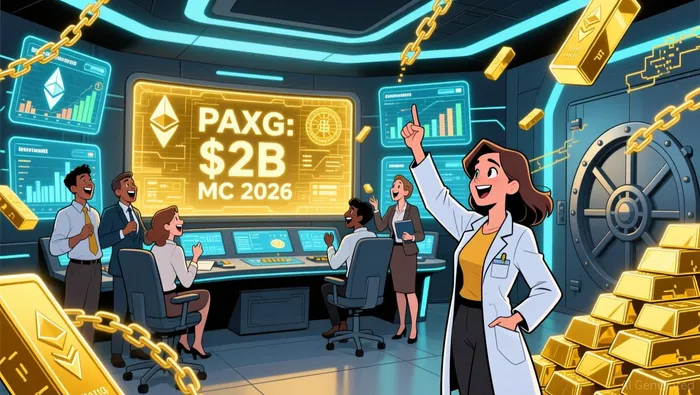
PAXG has emerged as a prominent tokenized asset in 2026, reaching a $2 billion market cap as demand for blockchain-backed gold continues to surge. The token allows investors to own and trade verified gold-backed tokens on the Ethereum blockchain, enabling fractional ownership and instant transfers. This format eliminates the need for traditional storage and verification, offering a transparent and auditable alternative to physical bullion.
The surge in PAXG's popularity is driven by broader macroeconomic uncertainty and the appeal of gold as a safe-haven asset. Tokenized gold trading volumes in 2025 surpassed those of most major gold ETFs, with PAXGPAXG-- and TetherUSDT-- Gold (XAUT) leading the market. PAXG's rise is also attributed to its regulatory compliance and transparency. The token is backed by one troy ounce of London Good Delivery gold stored in LBMA-certified vaults, with specific serial numbers that token holders can verify according to reports.
PAXG's regulated issuance and monthly audits enhance trust, but investors should be aware of risks such as centralized custody and sensitivity to interest rates and exchange collateral adjustments according to reports. Institutional and retail investors are increasingly adopting PAXG due to its real-time settlement, fractional ownership, and DeFi integration according to reports. Tokenized gold offers a transparent and efficient alternative to traditional gold ETFs or physical bullion, and PAXG has become a critical asset in digital portfolios, reflecting the broader shift toward tokenized gold and real-world assets (RWAs) in the crypto market according to reports.
How Does PAXG Enable 24/7 Trading and Fractional Ownership?
PAXG tokenizes physical gold on the Ethereum blockchain, representing one fine troy ounce of institutional-grade gold stored in LBMA-certified vaults. This structure allows investors to trade gold instantly, use it in DeFi protocols, and own fractional amounts without storage or insurance costs according to reports. Each PAXG token is redeemable for physical gold or convertible into fiat through Paxos or affiliated gold retailers according to reports.
The use of Ethereum smart contracts automates the redemption process, enhancing trust and efficiency in the tokenized gold ecosystem. Unlike traditional gold ETFs or physical bullion, PAXG offers lower entry barriers and greater flexibility according to reports. Tokenized gold trading volumes in 2025 exceeded those of most major gold ETFs, signaling a shift toward digital commodities.
What Are the Risks and Limitations of PAXG?
PAXG is backed by Paxos Trust Company, a national trust bank regulated by the OCC, ensuring institutional-grade security and transparency according to reports. However, despite these advantages, challenges remain, including custody verification risks and the lack of yield generation compared to yield-bearing tokens from competing protocols according to reports.
Unlike bonds or stocks, gold pays no interest or dividends, making it an idle risk investment according to reports. Tokenized gold is essentially a digital version of this dynamic. To address this limitation, companies like Theo, Libeara, and Falcon FinanceFF-- have introduced yield-generating tokenized gold products according to reports. For example, Theo recently launched "thGOLD," a token backed by the MG999 On-Chain Gold Fund, which lends gold to jewelers who pay interest. Holders of thGOLD can expect an annual yield of 2.3% according to reports.
Falcon Finance offers a more complex solution, using XAUT as collateral to create hedged positions on DeFi platforms. Traders can expect a 4% yield after fees according to reports. These innovations are designed to make tokenized gold more attractive by providing a return even if the price of gold fluctuates.
What Is the Future Outlook for Tokenized Gold?
PAXG is projected to play a key role in 2026 markets as a reliable hedge against volatility according to reports. The Total Value Locked (TVL) in tokenized gold is increasing from $1 billion to over $4 billion globally according to reports. This growth is driven by investor demand for tokenized safe-haven assets amid market uncertainty according to reports.
Gold prices in 2026 broke the $5,200/oz barrier, driven by geopolitical tensions and weakening USD confidence according to reports. This has led to increased interest in tokenized gold assets like XAUT and PAXG, which provide crypto users with 24/7 liquidity and fractional ownership. XAUT benefits from Tether's DeFi ecosystem compatibility and zero custody fees, while PAXG is regulated by NYDFS and undergoes monthly audits according to reports.
The combined market cap of XAUT and PAXG has reached $4.6 billion, with PAXG contributing significantly to this growth according to reports. Tokenized gold and silver markets reached $4.5 billion in total market capitalization by early 2026, with XAUT and PAXG dominating 90% of the gold segment. The surge is fueled by macroeconomic factors such as geopolitical instability, inflationary pressures, and de-dollarization trends according to reports.
Tokenized gold offers superior liquidity compared to traditional gold markets according to reports. PAXG provides regulatory compliance and transparency, while XAUT offers DeFi integration. Both tokens serve as digital alternatives to physical gold, offering convenience but exposing users to issuer centralization and regulatory risks according to reports.
Overall, PAXG and other tokenized gold assets are reshaping how investors access and utilize gold in both traditional and digital markets. As macroeconomic uncertainty persists, the demand for tokenized gold is expected to continue growing, driven by its advantages in accessibility, transparency, and DeFi integration according to reports.

Blending traditional trading wisdom with cutting-edge cryptocurrency insights.
Latest Articles
Stay ahead of the market.
Get curated U.S. market news, insights and key dates delivered to your inbox.


AInvest
PRO
AInvest
PRO



Comments
No comments yet