
Paws & Profits: How Emotional Spending on Pets is Paving the Way for Long-Term Growth
The global pet care market is undergoing a seismic shift, driven by an emotional revolution. As pets increasingly occupy the role of "family members" in households, spending on their health, happiness, and longevity has surged into uncharted territory. With a projected CAGR of 7.03% through 2033, the market is set to nearly double in value, reaching $597.5 billion. This growth isn't just about more pets—it's about behavioral finance at its finest, where emotional attachment fuels spending that defies economic cycles.
The Emotional Engine: Pets as Family, Spending as Necessity
The rise of pet care as a non-discretionary expense is rooted in behavioral psychology. Surveys show that 61% of pet owners view their pets as family members, a mindset that prioritizes their well-being even during financial strain. This emotional bond drives spending on premium products, veterinary care, and emerging services like pet insurance.
Take Gen Z, a demographic where 43.5% more households owned pets in 2024 than in 2023. These owners are 78% more likely to buy calming aids or organic food for their pets, spending freely on what they perceive as "essential care." This cohort's influence extends beyond purchasing—it's shaping trends like telehealth adoption and eco-friendly pet products, creating a blueprint for sustained demand.
Market Segments to Watch: Where Growth is Scalable
1. Pet Tech: The New Frontier of Accessibility
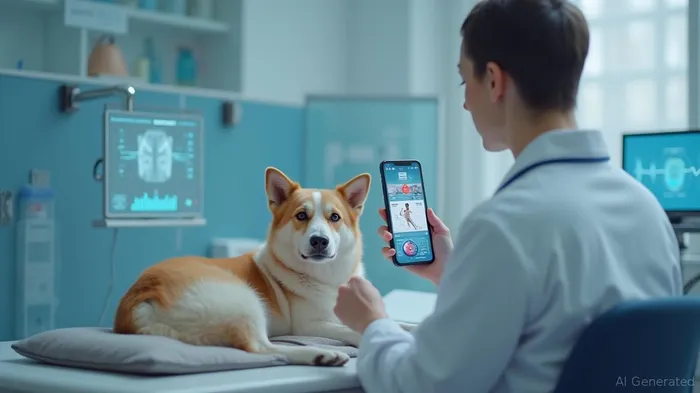
Telehealth platforms like Zoonivet (Cargill) and Chewy Vet Care are transforming access to veterinary services. With , these companies leverage technology to reduce barriers—geographic, financial, and emotional. Wearables, AI diagnostics, and app-based services are not just conveniences; they're sticky revenue streams with pricing power.
2. Pet Insurance: A Risk-Free Bet on Growth
The pet insurance market, growing at 18.13% CAGR, is a prime example of behavioral finance in action. With 61% of dog owners insured (the highest adoption rate among pets), insurers like Fetch by The Dodo and Agria Pet Insurance are capitalizing on rising premiums for specialized care. , underscoring the scalability of this segment.
3. Premium Products & Veterinary Services: The High-Growth, High-Margin Core
Premium pet food (e.g., Blue Buffalo, Oh Norman!) and veterinary services dominate 55% of the market, buoyed by a focus on sustainability and clean labeling. Companies like Zoetis (ZTS), the world's largest veterinary pharmaceutical firm, benefit from rising demand for advanced diagnostics and treatments, with .
Investment Plays: Where to Stake Your Bets
- Telehealth & Tech Platforms:
- Chewy (CHWY): Its ecosystem of e-commerce, telehealth, and loyalty programs offers cross-selling opportunities.
Zoonivet: A Cargill venture with remote diagnostics and AI tools targeting underserved rural markets.
Pet Insurance Giants:
- Fetch by The Dodo: Leverages direct-to-consumer digital channels, ideal for Gen Z adoption.
Agria Pet Insurance: Benefits from European regulatory stability and a 41% regional market share.
Premium Product Leaders:
- Nestlé Purina (NSRGY): Dominates high-margin organic and specialty pet foods, with $6 billion+ in annual pet care revenue.
- Oh Norman!: Eco-friendly products align with sustainability-driven demand, a niche with 20% annual growth potential.
Risks and Considerations
While the tailwinds are strong, challenges persist:
- Cost Sensitivity: 37% of pet owners cite affordability as a barrier. Companies like Zoetis mitigate this via volume pricing for clinics, while Chewy uses subscription models to lock in customers.
- Regulatory Hurdles: Labeling standards and eco-certifications (e.g., for "sustainable" products) could increase compliance costs for smaller players.
Conclusion: A Long-Term Love Story
The pet care market isn't just a fad—it's a structural shift in consumer behavior. Emotional spending, coupled with tech-driven scalability and demographic tailwinds, positions this sector as a recession-resistant growth engine. Investors should prioritize firms with strong pricing power (e.g., Zoetis), data-driven platforms (Chewy), and premium niches (Oh Norman!).
For now, the winner's circle belongs to those who blend emotional intelligence with operational agility. In the race to pet care dominance, the paws are on the keyboard—and the profits are just a click away.
This analysis is based on market projections through 2033 and assumes stable regulatory environments. Past performance does not guarantee future results.

Stay ahead of the market.
Get curated U.S. market news, insights and key dates delivered to your inbox.
AInvest
PRO
AInvest
PRO



Comments
No comments yet