
US Pauses Military Strikes on Iran for Diplomatic Efforts
The United States has decided to pause any further military strikes against Iran, opting instead for a diplomatic approach to resolve the escalating tensions. This decision comes after the deployment of significant military assets in the Middle East, including B-2 bombers and three carrier strike groups, as a show of force and to provide the president with various options. The current stance indicates a preference for diplomatic resolution over immediate military action, with the US President hoping that this strike will lead to a new diplomatic effort.
The delay in potential strikes has opened a window for renewed diplomatic activity. The US and its allies have been engaging in talks with Iran, although the Iranian Foreign Affairs Minister has rejected demands for zero uranium enrichment, insisting on a return to the 3.67% enrichment level stipulated under the 2015 Joint Comprehensive Plan of Action. This stance has been metMET-- with resistance from the US and Israel, who maintain that Iran should not be permitted to enrich uranium on its soil. The US has also been reexamining intelligence on Hezbollah associates within its borders, looking for potential threats that could arise from the escalating conflict.
The Iranian Supreme Leader has implemented emergency succession measures in response to the escalating conflict. This includes relocating to a secure bunker, suspending digital communications, and naming three senior clerics as potential successors. These measures are seen as a response to heightened assassination fears and the potential for US military involvement. The Iranian regime has also been targeting internal security and social control institutions, aiming to destabilize the regime over time.
The conflict has also seen a significant increase in Israeli airstrikes on Iranian targets. Israeli officials assess that these airstrikes have degraded Iran's ballistic missile capabilities, forcing Iranian forces to relocate eastward and southward. The IDF has conducted over 1,000 sorties, dropping hundreds of munitions on Iranian ballistic missiles and storage sites. The IDF has also struck various Iranian military sites and infrastructure, including the IRGC Ground Forces Karbala base and the Artesh 4th tactical airbase.
The Houthis have threatened to attack US ships and naval vessels in the Red Sea if the US becomes involved in the Iran-Israel conflict. This threat is seen as an attempt to deter US participation in the war. The Houthis, along with Iranian-backed Iraqi militias, have been closely monitoring discussions in Western media about the risks of a protracted war in the Middle East and seek to exploit these concerns by threatening to expand the conflict.
In summary, the US's decision to hold off on further military strikes against Iran reflects a preference for diplomatic resolution over immediate military action. The deployment of military assets and the intensification of diplomatic efforts underscore the US's readiness to respond to any escalation while seeking a peaceful resolution to the conflict. The Iranian regime's implementation of emergency succession measures and the increase in Israeli airstrikes on Iranian targets further highlight the complex and volatile nature of the situation. 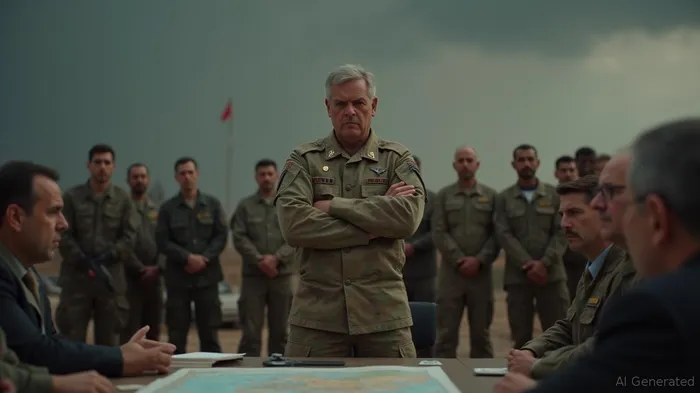

Stay ahead of the market.
Get curated U.S. market news, insights and key dates delivered to your inbox.






Comments
No comments yet