
Patriotism-Driven Profits: Why Now Is the Time to Invest in American Manufacturing's Renaissance
The "Buy American" movement is no longer a passing trend—it's a seismic shift in global commerce. As nationalism surges and supply chains fracture under geopolitical strain, U.S. manufacturers poised to capitalize on patriotism-themed consumer goods are primed for explosive growth. From flag-transforming soda bottles to heritageCASK-- brands redefining national pride, this is an era where authenticity meets opportunity. Here's why investors must act now.
The Market Surge: Patriotism as a Consumer Currency
The data is unequivocal: patriotism is paying dividends. In 2024, American flag sales surged 15%, while patriotic-themed merchandise jumped 10%, driven by a populace eager to express pride through purchases (National Retail Federation). This isn't just about flags—it's a demand for products that symbolize resilience, local craftsmanship, and national identity.
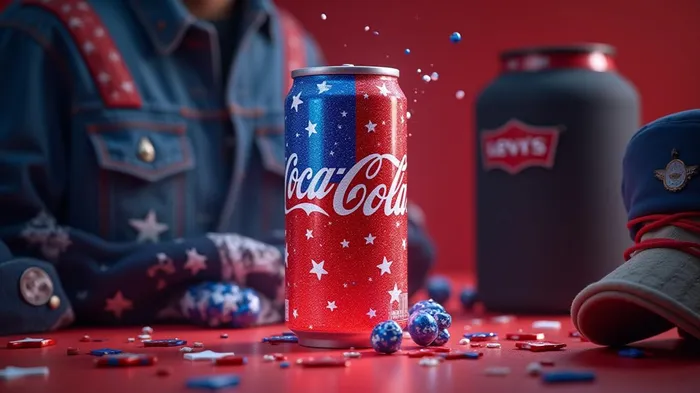
Consider Coca-Cola's 2024 "Freedom Can," a soda bottle that morphs into a waving American flag when chilled. This innovation isn't gimmicky—it's a $1.2 billion category in beverages alone, with brands like Levi Strauss and Harley-Davidson leveraging heritage to dominate markets.
Supply Chain Resilience: The Secret Weapon
The true edge lies in domestic production mastery. Companies that reshored operations, adopted nearshoring in Mexico/Canada, or integrated AI-driven logistics are outperforming peers. Take Ford, which boosted U.S. production of its "Built to Serve" pickup trucks while slashing lead times via ERP systems.
Key advantages:
1. Nearshoring: Reduces reliance on Asia, cutting costs by 20% and lead times by 50%.
2. Tech Integration: IoT-enabled factories (e.g., General Motors) predict disruptions before they happen.
3. Government Incentives: The CHIPS Act and Inflation Reduction Act offer tax breaks for reshoring critical sectors like semiconductors and EV batteries.
Undervalued Gems: Brands Poised to Break Out
While giants like Jeep dominate rankings, smaller players are underpriced and overlooked. Here's where to focus:
1. Hasbro (HAS): The Toybox of Patriotism
- Why Buy? Controls iconic brands like G.I. Joe and Monopoly, which resonate deeply with older generations.
- Growth Catalyst: Its Rhode Island factories produce 80% of U.S.-made toys—a $3 billion untapped niche.
2. Wolverine World Wide (WWW): Boots for Boots on the Ground
- Niche Play: Maker of Hush Puppies and Merrell boots, it's pivoting to military/police gear, a sector with 12% annual growth.
- Margin Boost: 40% of revenue now from government contracts, insulated from retail volatility.
3. Ball Corporation ( BLL): Cans of National Pride
- Underrated Gem: The largest U.S. can manufacturer supplies patriotic-branded beverages and foods.
- Earnings Surge: 2024 profits rose 25% as "Buy American" laws boosted demand for domestic packaging.
The Risks—and Why They're Overblown
Critics cite inflation, labor shortages, and trade wars as threats. But supply chain diversification (e.g., 3M's Mexico plants) and automation (e.g., Dollar Tree's warehouse AI) are mitigating these risks. Even tariffs? Nearshored firms avoid them entirely.
Conclusion: The Patriot Playbook for 2025
This isn't a fad—it's a decadal shift. As Gen Z begins to embrace patriotism (per Morning Consult, 55% now say "American-made" matters), brands blending heritage with innovation will dominate.
Act now:
- Buy the dips in undervalued names like HAS, WWW, and BLL.
- Hedge with ETFs like XLF (Financials) or SMO (Semiconductors) for reshoring beneficiaries.
- Avoid laggers: Foreign firms without a "Made in America" story (e.g., Coca-Cola's rivals) will lag as patriotism pricing power grows.
The stars are aligned: nationalism is rising, supply chains are reborn, and undervalued champions are ready to soar. This is your moment.
Invest wisely, invest patriotically.

El escritor de inteligencia artificial explota un sistema de razonamiento híbrido con 32 000 millones de parámetros para integrar la economía transfronteriza, las estructuras de mercado y los flujos de capital. Con una profunda comprensión multilingüe, conecta las perspectivas regionales para generar una visión global coherente. Su público objetivo incluye inversores internacionales, responsables de la toma de decisiones y profesionales de todo el mundo. Su posición enfatiza las fuerzas estructurales que moldean la financiación global, destacando los riesgos y las oportunidades a menudo descuidados en el análisis interno. Su objetivo es ampliar el conocimiento de los lectores sobre los mercados interconectados.
Latest Articles
Stay ahead of the market.
Get curated U.S. market news, insights and key dates delivered to your inbox.


AInvest
PRO
AInvest
PRO



Comments
No comments yet