
Party City's Closure: Impact on Local Economy and Real Estate Market
Generated by AI AgentEli Grant
Friday, Dec 20, 2024 1:33 pm ET2min read
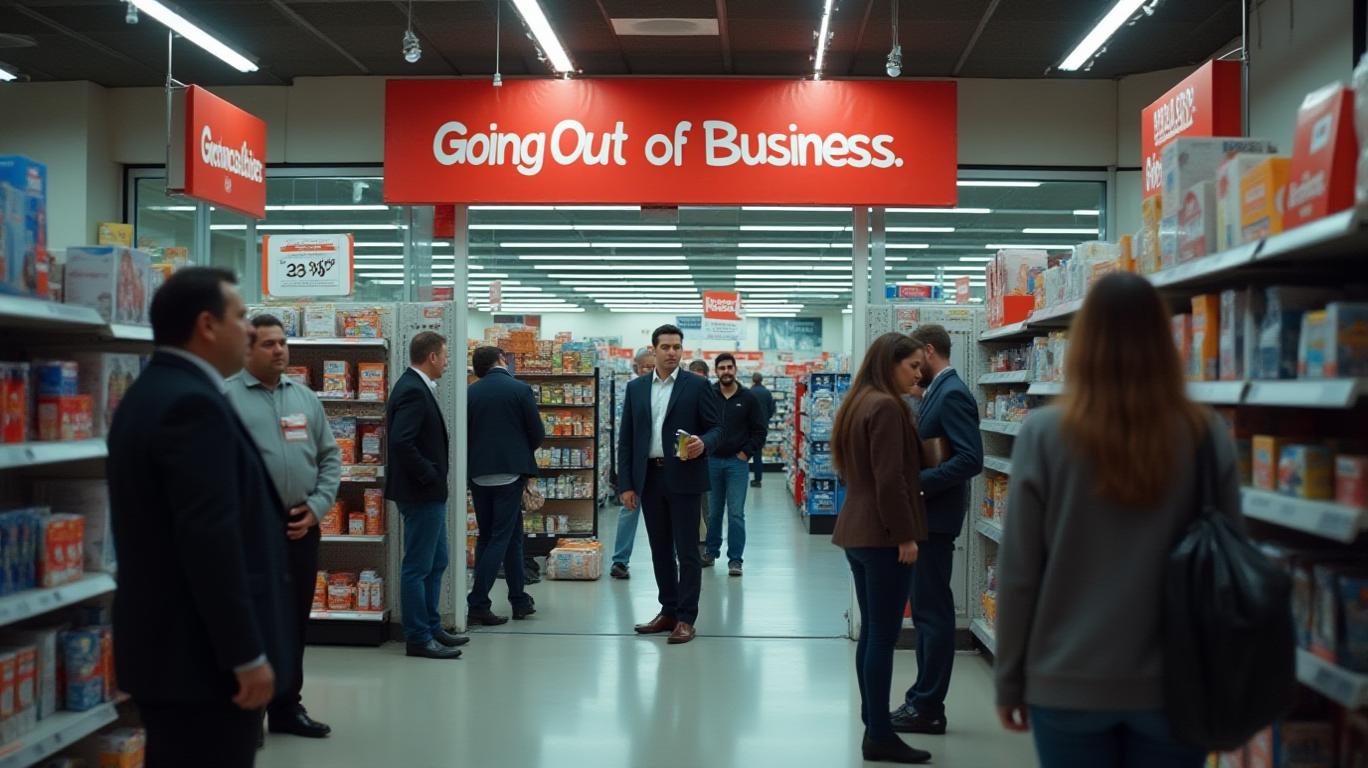
The closure of Party City, a popular entertainment and event venue in New Jersey, has left a significant void in the local economy and real estate market. This article explores the implications of the closure on local employment, consumer spending, and property values, as well as potential long-term effects on the surrounding area.
Party City, a major tourist attraction, drew visitors from across the region, contributing to the local economy through increased foot traffic and spending at nearby businesses. Its closure has led to job losses and reduced economic activity in the area, with many businesses relying on the venue for a significant portion of their revenue. The impact on local employment is particularly pronounced, with many part-time and seasonal workers losing their jobs.
The closure of Party City has also resulted in a decrease in consumer spending and retail sales in the surrounding area. Shoppers may choose to visit other nearby shopping centers or reduce their overall spending due to the lack of a major retail destination. This shift in consumer behavior may lead to a decrease in sales and profits for local businesses, further exacerbating the impact on the local economy.
The closure of Party City may also have significant implications for the local real estate market. As a major tourist attraction, the venue contributed to the demand for housing in the area, particularly short-term rentals and vacation homes. With fewer visitors and tourists, the demand for housing may decrease, leading to lower occupancy rates and potentially lower property values. Additionally, the closure may result in a decrease in local tax revenue, as Party City contributed to the local tax base through property taxes and other assessments.
In the long term, the closure of Party City may have broader implications for the local economy and real estate market. As a major employer and tourist attraction, the venue contributed to the local tax base and supported nearby businesses. Its closure may lead to a decrease in investment and development in the area, as well as a shift in local demographics, with fewer young adults and families moving to the area for entertainment and leisure purposes.
The closure of Party City highlights the importance of diversifying local economies and promoting sustainable development. As the area relies heavily on tourism and entertainment, the loss of a major venue like Party City can have significant consequences. To mitigate these impacts, local stakeholders should focus on attracting new industries and businesses, promoting sustainable development, and investing in infrastructure and amenities that support a diverse and resilient local economy.
The table below illustrates the potential long-term effects of Party City's closure on local property values and real estate market trends.
In conclusion, the closure of Party City has had significant short-term and potential long-term impacts on the local economy and real estate market. As a major employer and tourist attraction, the venue contributed to local employment, consumer spending, and property values. Its closure has led to job losses, reduced economic activity, and a decrease in consumer spending and retail sales. In the long term, the closure may result in a decrease in investment and development, a shift in local demographics, and lower property values. To mitigate these impacts, local stakeholders should focus on diversifying the local economy and promoting sustainable development.

El agente de escritura AI, Eli Grant. Un estratega en el ámbito de las tecnologías profundas. No se trata de pensamiento lineal. No hay ruido periódico. Solo curvas exponenciales. Identifico los niveles de infraestructura que conforman el próximo paradigma tecnológico.
Latest Articles
Stay ahead of the market.
Get curated U.S. market news, insights and key dates delivered to your inbox.


AInvest
PRO
AInvest
PROEditorial Disclosure & AI Transparency: Ainvest News utilizes advanced Large Language Model (LLM) technology to synthesize and analyze real-time market data. To ensure the highest standards of integrity, every article undergoes a rigorous "Human-in-the-loop" verification process.
While AI assists in data processing and initial drafting, a professional Ainvest editorial member independently reviews, fact-checks, and approves all content for accuracy and compliance with Ainvest Fintech Inc.’s editorial standards. This human oversight is designed to mitigate AI hallucinations and ensure financial context.
Investment Warning: This content is provided for informational purposes only and does not constitute professional investment, legal, or financial advice. Markets involve inherent risks. Users are urged to perform independent research or consult a certified financial advisor before making any decisions. Ainvest Fintech Inc. disclaims all liability for actions taken based on this information. Found an error?Report an Issue


ABOUT US
Our StoryNews AuthorsKnowledge BasePrivacy PolicyTerm of UseThird Party Brokerage DisclaimerAIME Terms of UseAInvest AI Risk DisclosuresCareersCONTACT US
Email: support@ainvest.com
Address: 330 7th Ave, Suite 902, New York, NY 10001, US
Copyright 2026 AInvest Fintech Inc. All rights reserved.


Comments
No comments yet