
Paraguay in the Global Soybean Spotlight: What Recent Developments Mean for Investors


 Aime Summary
Paraguay may not be the first country that comes to mind when thinking about global agriculture, but its role in the soybean market is growing in significance. Recent research and shifting trade policies in South America are making Paraguay an important player in a sector that's critical for both food and energy. For investors tracking agricultural commodities and sustainability trends, these developments are worth a closer look.
Mapping the Origins of Global Soybeans
For investors with an interest in agricultural markets, understanding the provenance of commodities is key. A new study from has made significant strides in this area by analyzing 422 soybean samples from major producers around the world, including Paraguay. Using advanced methods like ICP-MS and chemometrics, , sodium, and barium.
This level of precision is more than just academic. It supports supply chain transparency and helps verify claims about deforestation-free soy. 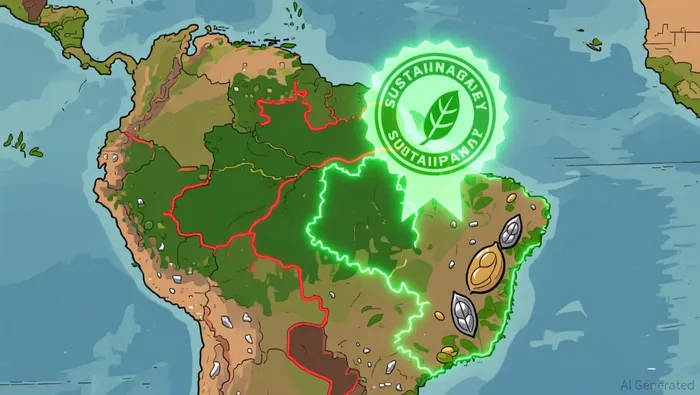 For example, the study found differences in soybean meal from deforested and non-deforested regions in Brazil, a finding that could be relevant to Paraguay as it navigates similar environmental concerns. The implications are clear: investors are looking for not just quality, but also sustainability and traceability in agricultural products.
South American Trade Policies and Soybean Markets
While science is helping to track where soybeans come from, trade policies are determining where they go. In a move that could have broader regional effects, Argentina recently cut export taxes on soybeans and byproducts. The reductions, from 26% to 24% for soybeans and from 24.5% to 22.5% for byproducts, are part of a push to support farmers hit by fluctuating global prices. These tax changes are expected to improve margins for producers and may boost overall soybean exports from South America.
Although Paraguay didn't directly implement new policies in December 2025, these developments in Argentina are part of a larger pattern. Argentina and Paraguay are both major soybean producers in South America, and Argentina's move to support its agricultural sector could signal similar actions in neighboring countries. For investors, this means keeping an eye on regional policy shifts that could affect soybean production, exports, and pricing dynamics.
What It Means for Investors and Market Trends
The soybean market is a complex web of supply, demand, and policy, and Paraguay is playing a growing role in that ecosystem. For investors, the key takeaway is that the market is evolving. With more emphasis on sustainability and traceability, there's increasing value in commodities that can demonstrate responsible sourcing. The ability to trace soybeans back to their origins is not just a scientific achievement—it's a market differentiator that could affect pricing, consumer demand, and regulatory compliance.
At the same time, changes like Argentina's tax cuts highlight the volatility of global agricultural markets. These policies can have a ripple effect, influencing everything from production volumes to export competitiveness. In a world where soybean prices are sensitive to geopolitical and environmental factors, understanding regional developments is crucial for making informed investment decisions.
A Look Ahead
As 2026 begins, the soybean market is likely to remain a focal point for investors, especially with climate and sustainability issues front of mind. The ability to trace soybean origins and verify environmental claims will become even more important, and Paraguay—along with other South American producers—will likely continue to be part of that conversation. For now, the focus is on how these developments shape trade flows and market access, but the long-term story may be about how these countries adapt to global demand for sustainable agriculture. Investors who stay ahead of these trends may find themselves well-positioned for the next chapter in the soybean story.

Delivering real-time insights and analysis on emerging financial trends and market movements.
Latest Articles
Stay ahead of the market.
Get curated U.S. market news, insights and key dates delivered to your inbox.






Comments
No comments yet