
UN Panel Concludes Israel Committed Crimes Against Humanity in Gaza, Citing Attacks on Schools and Religious Sites
A United Nations panel of independent experts has concluded that Israeli military operations in Gaza in 2025 constituted crimes against humanity, specifically targeting civilians through deliberate attacks on schools, religious institutions, and other protected sites as part of a broader campaign to dismantle Palestinian life. The findings, published in a June 2025 report, detail systematic violations of international humanitarian law, including disproportionate use of force and intentional destruction of infrastructure essential to civilian survival.
Key Allegations in the UN Report
The panel documented over 50 incidents involving strikes on schools, mosques, and churches during Israel’s military operations, resulting in hundreds of civilian deaths. In one instance, a UN-run school in northern Gaza was struck during a ceasefire, killing 32 children and educators. Similarly, repeated bombardments of a historic mosque in central Gaza, used as a shelter for displaced families, led to the deaths of 47 civilians. The report emphasizes that these attacks were not incidental but part of a pattern of behavior designed to terrorize and displace Palestinian populations.
Systematic Campaign to Undermine Palestinian Existence
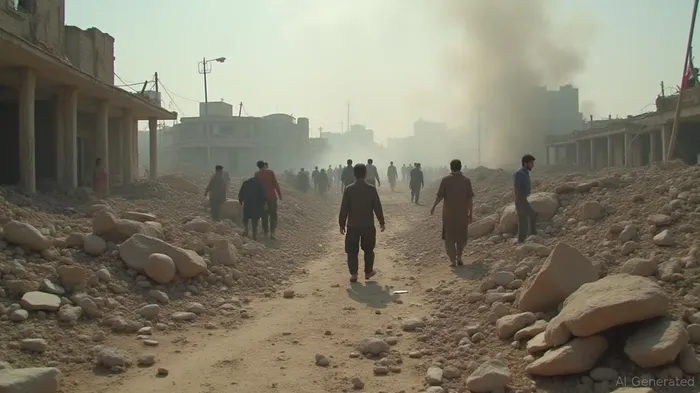
The experts highlighted a coordinated strategy to erode the foundations of Palestinian society. Beyond direct attacks, the report cites sustained blockades, destruction of water and electricity infrastructure, and the razing of residential neighborhoods. Over 12,000 homes were demolished, displacing approximately 60,000 residents. Such actions, the panel argues, amount to a deliberate effort to “destroy the political, social, and cultural institutions of Palestinian communities,” as stated in the report’s executive summary.
Legal and Geopolitical Implications
The findings place renewed pressure on international bodies to pursue accountability mechanisms. The report underscores that these acts violate Article 8(2)(b)(iv) of the Rome Statute, which prohibits attacks directed at civilian objects. It also notes that Israel’s reliance on “military necessity” as a defense does not justify the scale of harm inflicted. While the panel stopped short of assigning individual culpability, it urged states to consider sanctions or legal proceedings under universal jurisdiction principles.
Response and Ongoing Challenges
The Israeli government has not yet formally addressed the report. However, earlier statements by officials dismissed such allegations as politically motivated, emphasizing the military’s adherence to protocols to minimize civilian casualties. Meanwhile, humanitarian organizations have warned that ongoing restrictions on Gaza’s borders are exacerbating food and medical shortages, with nearly 80% of the population relying on aid.
Future Predictions and Market Reactions
The report’s release coincides with heightened diplomatic tensions, with several countries reviewing defense contracts and trade agreements with Israel. Analysts predict potential shifts in foreign investment flows, particularly in sectors tied to security partnerships. The UN findings may also influence upcoming peace negotiations, though the panel cautions that without enforceable accountability measures, cycles of violence and displacement are likely to persist.
The June 2025 report marks a critical escalation in the UN’s scrutiny of the conflict, framing Israel’s actions as part of a systemic violation of international law. Its conclusions are expected to intensify debates over accountability mechanisms and the viability of existing frameworks for protecting civilian populations in protracted conflicts.

Stay ahead of the market.
Get curated U.S. market news, insights and key dates delivered to your inbox.






Comments
No comments yet