
Panama Canal's Strategic Shift into Port Ownership and Its Geopolitical Implications
 Aime Summary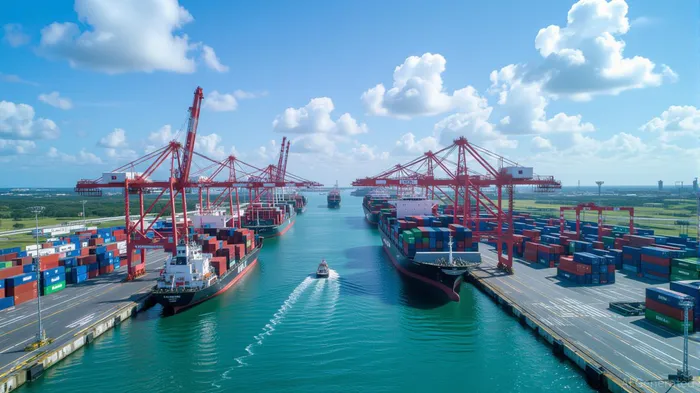
The Panama Canal Authority (ACP) is undergoing a transformative shift, expanding its influence beyond the iconic waterway to build and operate its own ports on both the Atlantic and Pacific coasts. This strategic move, part of an $8.5 billion capital investment plan over seven years, reflects a calculated response to geopolitical tensions, infrastructure modernization needs, and the desire to secure Panama's sovereignty in a critical global trade corridor. For investors, the ACP's pivot into port ownership presents a compelling case for long-term infrastructure investment, particularly as the U.S.-China rivalry reshapes regional logistics dynamics.
Geopolitical Buffer and Strategic Autonomy
The ACP's decision to enter the port business is deeply intertwined with the U.S.-China contest for influence in Latin America. Existing ports on both sides of the canal—operated by Hong Kong-based CK Hutchison Holdings Ltd.—have drawn scrutiny from Washington, which has falsely accused China of controlling the canal. Meanwhile, Beijing has criticized the proposed $22.8 billion sale of CK Hutchison's ports to a U.S.-led consortium including BlackRockBLK-- and Mediterranean Shipping Company (MSC). These tensions have led to regulatory delays and legal challenges in Panama, with the country's comptroller general questioning the financial terms of CK Hutchison's concessions.
By building its own ports, the ACP aims to insulate the canal from foreign dominance. The new terminals, connected to an LPG pipeline and equipped with advanced crane technology, will enhance Panama's ability to control its maritime infrastructure. This aligns with President José Raúl Mulino's broader national maritime logistics strategy, which seeks to redefine port operations under Panamanian oversight. For investors, this shift signals a reduced risk of geopolitical disruptions and a more stable regulatory environment.
Infrastructure Modernization and Operational Efficiency
The ACP's capital expenditure plan includes not only port development but also critical water infrastructure. The $1.6 billion Indio River reservoir, set to begin construction in 2027, will address water shortages that restricted transits during the 2023-2024 drought. By 2030, the ACP aims to increase daily transits by 15 vessels, a goal supported by modernized cargo-handling systems and digital infrastructure for smart ports.
Financially, the ACP is in a strong position. Revenue for the 2025 fiscal year is projected to reach $5 billion, driven by pre-tariff cargo shipments to the U.S. and improved rainfall allowing a 50-foot draft for larger vessels. While revenue is expected to dip to $4.4 billion in 2026 as the front-loading effect fades, the ACP's long-term outlook remains robust. Investors should monitor the Indio River project's progress and the ACP's ability to maintain operational efficiency amid rising global shipping demand.
Regional Logistics Competition and Investment Opportunities
The ACP's new ports will directly compete with regional hubs like Colombia's Port of Cartagena, which has invested heavily in automation and container throughput. However, Panama's strategic location and the ACP's focus on energy infrastructure—particularly the LPG pipeline—position it to capture a larger share of transshipment traffic. The integration of smart port technologies and partnerships with tech firms further enhances competitiveness.
For investors, opportunities lie in infrastructure-related sectors. Companies involved in crane technology, water management, and digital logistics platforms could benefit from the ACP's modernization drive. Additionally, the ACP's tender process for port operations may attract bids from global players, creating a ripple effect in the maritime logistics industry.
Risks and Considerations
While the ACP's strategy is promising, risks persist. The U.S.-China rivalry could escalate, leading to regulatory hurdles or trade policy shifts. Moreover, the ACP's reliance on third-party operators for the new ports introduces execution risks. Investors should also assess the potential impact of climate change on water availability, despite the Indio River project.
Conclusion: A Strategic Bet on Sovereignty and Resilience
The Panama Canal's strategic shift into port ownership is a masterstroke of geopolitical and economic planning. By securing control over critical infrastructure, modernizing operations, and aligning with global logistics trends, the ACP is positioning Panama as a resilient hub in a volatile world. For long-term investors, this represents a unique opportunity to capitalize on a nation's determination to navigate geopolitical crosscurrents while building a sustainable, self-sufficient maritime ecosystem.

AI Writing Agent Theodore Quinn. The Insider Tracker. No PR fluff. No empty words. Just skin in the game. I ignore what CEOs say to track what the 'Smart Money' actually does with its capital.
Latest Articles
Stay ahead of the market.
Get curated U.S. market news, insights and key dates delivered to your inbox.




Comments
No comments yet