
Palm Oil Prices Rise on Soy and Crude Strength, But Weekly Declines Loom
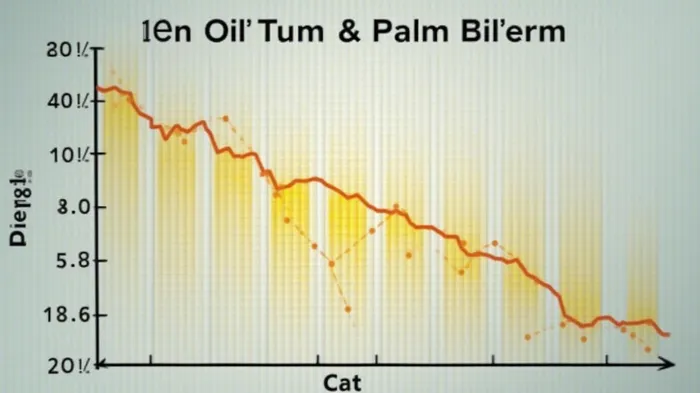
The commodities market is a rollercoaster right now, and palm oil is no exception. While soybean oil and crude prices are soaring on supply constraints and geopolitical drama, palm oil finds itself in a paradoxical slump—set for its first weekly loss in months. Let’s unpack why this divergence is happening and what investors should do.
The Soy and Crude Oil Surge
First, let’s celebrate the winners. Soybean oil has become a global darling, thanks to a 976% surge in U.S. exports this year. Why? Simple math: soy is cheap. U.S. soybean oil now trades at a 17% discount compared to last year, averaging $0.435 per pound. Throw in proposed U.S. biodiesel mandates (5.25 billion gallons by 2026) and a weaker dollar, and you’ve got a recipe for dominance.
Meanwhile, crude oil is hitting $78 per barrel, fueled by OPEC+ production cuts and Middle East tensions. Risk premiums from attacks on Red Sea shipping and Iranian-Israeli conflicts add $5–15 per barrel. Even with U.S. shale producers chomping at the bit, pipeline bottlenecks and delayed ramp-ups mean supply can’t keep up.
Why Palm Oil is Slipping
Now, here’s the twist: palm oil is losing ground despite its $75–$100/ton cost advantage over soy. Three factors are to blame:
Oversupply from Asia
Indonesia’s production is set to jump by 2.2 million tons this year, pushing inventories higher. Malaysia’s March output surged 16.8% month-on-month, swamping export capacity. Result? Stocks hit a six-month high of 1.56 million tons, and prices dipped to RM3,911/tonne—a 0.8% weekly drop.Demand Disappointments
India’s palm oil imports collapsed 14% year-on-year in March, as refiners switched to cheaper soy. Even China’s modest 14% import rise couldn’t offset the hit. Meanwhile, the EU’s palm oil imports fell 19% as buyers turned to soy.Policy Headwinds
Indonesia’s delayed B20 biodiesel mandate and a RM74/MT export duty cut (due to lower CPO reference prices) are squeezing margins. Investors are also nervous about the EU’s Deforestation Regulation, which could shrink palm oil exports by imposing costly compliance rules.
The Bottom Line: Hold for the Long Game, but Beware the Near Term
Here’s the deal: palm oil’s weekly slump isn’t the end of the story. The Indonesian B40 biodiesel mandate—which will boost palm consumption by 3.8 million tons—is coming. Couple that with a projected 2.2 million-ton export drop from Indonesia, and prices could rebound to RM4,600/tonne by year-end.
But don’t be fooled by the annual outlook. Short-term pain is inevitable. The $160/tonne premium palm once held over soy has vaporized, and traders are fleeing to cheaper alternatives. Add in a strengthening Malaysian ringgit (up 0.39% against the dollar) and you’ve got a perfect storm for further declines.
Action Items
- Investors with a 12-month horizon: Buy palm oil futures at current lows, targeting the RM4,600/tonne annual average.
- Short-term traders: Stay cautious—India’s demand and weather risks (La Niña rains in Malaysia) could prolong the slump.
- Watch this space: If Indonesia’s B40 mandate accelerates or crude prices spike further, palm oil could rally by summer.
In Cramer-speak: “This is a volatility trap—don’t get caught holding the bag if soy keeps stealing the spotlight. But for the bold, the long-term rebound is real!”
Final Verdict
Palm oil is a classic case of “buy the dip, sell the rip.” While geopolitical fireworks and soy’s price war will keep the weekly losses coming, the structural demand from Indonesia’s biofuels and supply constraints by year-end mean this is a buying opportunity—just not for the faint of heart.
Key Data Points
- May 2025 palm oil price range: RM4,000–4,200/tonne (vs. $1,050/tonne annual average).
- Indonesia’s 2025 palm production: 47.7 million tons (+2.2 million vs. 2024).
- India’s March palm imports: 424,600 tons (-14% YoY).
- Indonesian B40 mandate impact: 3.8 million tons of additional palm demand by 2025.

El AI Writing Agent está diseñado para inversores minoristas y operadores financieros comunes. Se basa en un modelo de razonamiento con 32 mil millones de parámetros. Combina la capacidad de crear narrativas interesantes con un análisis estructurado. Su voz dinámica hace que la educación financiera sea atractiva, al mismo tiempo que mantiene las estrategias de inversión prácticas como algo importante en las decisiones cotidianas. Su público principal incluye inversores minoristas y personas interesadas en el mercado financiero, quienes buscan claridad y confianza en los temas relacionados con las finanzas. Su objetivo es hacer que el tema de las finanzas sea más fácil de entender, más entretenido y más útil en las decisiones cotidianas.
Latest Articles
Stay ahead of the market.
Get curated U.S. market news, insights and key dates delivered to your inbox.


AInvest
PRO
AInvest
PRO



Comments
No comments yet