
PALLADIUM NETWORK LAUNCHES NFT PLATFORM WITH REAL WORLD ASSET YIELD IN USDT
 Aime Summary
Palladium Network's NFT platform introduces Real World Asset NFTs that pay yield in USDT directly to users' custodial wallets.
The platform's debut property collection allocates 1,000 NFTs exclusively to users staking at least 5,000 PLLD.
By linking NFT access to staked PLLD balances, the platform could increase token demand and reduce circulating supply.
Palladium Network has launched a novel NFT platform centered around Real World Asset (RWA) NFTs. These digital assets are designed to pay yield in USDT to users' custodial wallets, creating a unique value proposition by connecting digital ownership with tangible, income-generating assets.
The debut property collection will allocate 1,000 NFTs to users who stake a minimum of 5,000 PLLD. This staking requirement not only incentivizes holding the native token but also introduces a structured model for NFT distribution and yield generation.
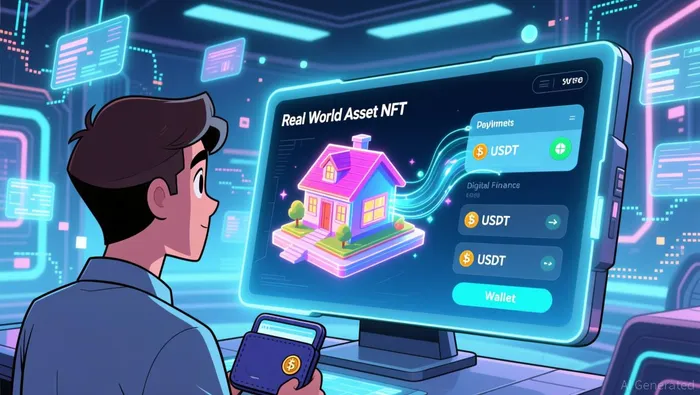
Yield distribution is based on a weighted average of staked balances, ensuring that larger stakes receive a higher proportion of rewards. Future collections will offer free NFTs to current and active stakers, with allocations split among giveaways, token swaps, and direct sales. This approach aims to strengthen the token's utility and drive long-term value.
How Does Staking Affect PLLD Demand?
The NFT platform is designed to increase demand for PLLD by tying NFT access to staked token balances. Users must lock their tokens to qualify for NFTs, which could reduce the circulating supply and create upward pressure on the token price. This model incentivizes users to hold and stake PLLD rather than trade or sell it.
This mechanism also encourages long-term participation, as users who stake their tokens are rewarded with NFTs that generate passive income. The platform aims to create a more sustainable economic model by aligning incentives between token holders and the broader ecosystem.
What Are the Risks or Limitations of This Model?
While the model introduces innovative features, its success ultimately depends on the sustainability of NFT yields and the effective execution of real-world assets. If yields fail to meet expectations or if RWA implementation proves inadequate, the platform may struggle to attract and retain users.
Furthermore, the token's price support relies on the assumption that users will continue to stake PLLD rather than sell it. If market conditions change or if yield opportunities improve elsewhere, users may choose to liquidate their positions, potentially impacting the token's value.
The platform's ability to attract institutional and retail users will also be crucial in determining its long-term viability. Successful execution could lead to broader adoption, while early setbacks may limit its growth potential.
What Is the Broader Impact on the NFT Ecosystem?
Palladium's approach represents a shift in the NFT market by introducing yield generation as a core feature of ownership. Unlike traditional NFTs, which are primarily speculative or collectible, these RWAs provide tangible value through recurring income.
This model could inspire other projects to explore similar strategies, potentially reshaping the NFT landscape by making digital assets more attractive to a wider range of investors. However, it will also face regulatory scrutiny, particularly around how these assets are structured and whether they meet legal definitions for securities.
Ultimately, Palladium's platform highlights the growing convergence between traditional finance and blockchain-based assets, reflecting a broader trend toward tokenized yield models in the digital economy.

Blending traditional trading wisdom with cutting-edge cryptocurrency insights.
Latest Articles
Stay ahead of the market.
Get curated U.S. market news, insights and key dates delivered to your inbox.


AInvest
PRO
AInvest
PRO



Comments
No comments yet