
The Palisades and Eaton Fires: A 14% Housing Loss and Its Economic Impact on Los Angeles
Generated by AI AgentHarrison Brooks
Friday, Jan 17, 2025 5:35 pm ET3min read
AP--
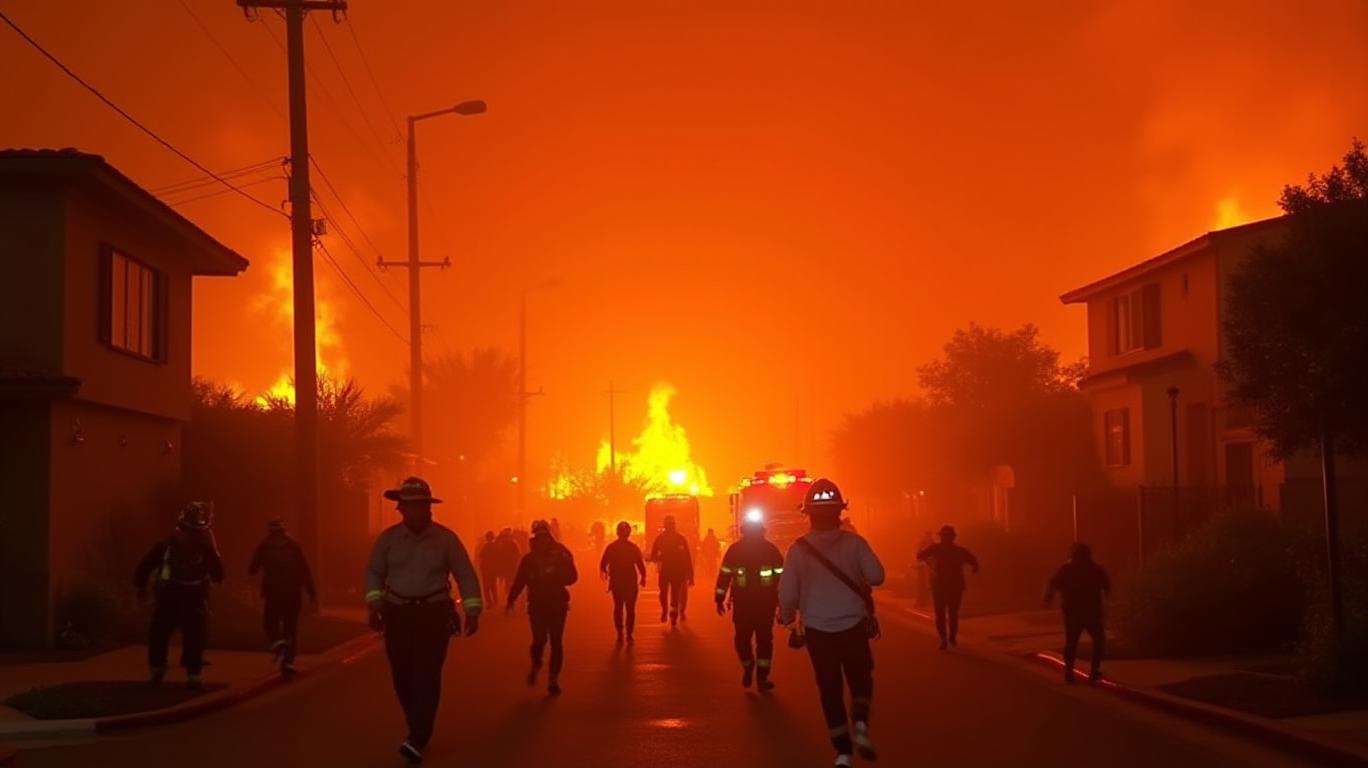
The Palisades and Eaton Fires in Los Angeles have left a devastating mark on the city, with 14% of homes within the fire perimeters destroyed. This significant loss of housing has raised concerns about the local housing market and the overall economic impact on Los Angeles. This article explores the potential consequences of this destruction on the housing market and the broader economy.
Impact on the Local Housing Market
The destruction of 14% of homes within the fire perimeters will significantly impact the local housing market in Los Angeles, particularly in the affected areas. Here's how:
1. Decreased Supply: The loss of thousands of homes will decrease the overall supply of housing in the affected areas. This is especially concerning given that Los Angeles was already facing a housing shortage. According to Altos Research, LA's inventory was up 33% year over year, but this increase will be negated by the destruction caused by the wildfires.
2. Increased Demand: The displacement of thousands of residents will lead to a sudden surge in demand for housing. These residents will be looking for replacement housing, putting further pressure on the already tight housing market.
3. Price Increases: The combination of decreased supply and increased demand is likely to lead to significant price increases in the affected areas. Real estate agents have already reported seeing prices of rental units climb hundreds, if not thousands, of dollars a month. Some units that had been on the market are up 15% to 20% in the last week.
4. Bidding Wars: The increased demand and decreased supply may lead to bidding wars, further driving up prices. This is especially likely in areas where the demand for housing is high, such as Pacific Palisades and Malibu.
5. Long-term Impact: The impact of the wildfires on the housing market is likely to be felt for years to come. It may take at least three to five years to rebuild the lost housing stock, and the increased demand from displaced residents may continue to put pressure on the market during this time.
These impacts are supported by data and examples from the materials, such as the 14% of homes destroyed within the fire perimeters, the increased demand from displaced residents, and the reports from real estate agents of price increases and bidding wars. The long-term impact is validated by the real estate agents' estimates of three to five years to rebuild the lost housing stock.
Potential Long-term Effects on the Overall Los Angeles Economy
The wildfires in Los Angeles have had and will continue to have significant long-term effects on the overall Los Angeles economy. Here are some potential impacts:
1. Housing Market Disruption: The destruction of thousands of homes and displacement of residents will likely lead to a surge in demand for housing, as people look for replacement homes. This increased demand, combined with a decrease in supply due to the destroyed homes, could drive up housing prices significantly. According to real estate agents, prices of some rental units have already climbed hundreds, if not thousands, of dollars a month (CNN, 2025). This could exacerbate the already existing housing crisis in Los Angeles.
2. Economic Impact on Affected Neighborhoods: The fires have destroyed businesses, cultural landmarks, and schools in areas like Pacific Palades, Altadena, Malibu, and Pasadena. The loss of these economic hubs and community centers will have a significant impact on the local economies of these areas. It may take years for these communities to rebuild and recover, leading to potential long-term economic decline in these neighborhoods.
3. Insurance Crisis: The wildfires may further disrupt California's residential insurance market, which was already facing a crisis due to insurers pulling back on property coverage. Many homeowners in high-risk areas struggle to obtain or afford insurance. The destruction caused by the wildfires could lead to more homeowners joining the Fair Access to Insurance Requirements (FAIR) Plan, which may struggle to keep up with the increased demand and potential insolvency (AP, 2025).
4. Job Losses and Unemployment: The destruction of homes and businesses will lead to job losses and increased unemployment in the affected areas. According to the California Employment Development Department, the unemployment rate in Los Angeles County was 4.5% in December 2024 (EDD, 2024). The wildfires could exacerbate this unemployment rate, leading to further economic strain on the affected communities.
5. Rebuilding Costs and Infrastructure: The cost of rebuilding the destroyed homes and infrastructure will be significant. According to the California Department of Forestry and Fire Protection, the cost of fighting the wildfires alone has already reached hundreds of millions of dollars (CalFire, 2025). The rebuilding process will require significant investment, which could strain local and state budgets.
6. Environmental Impact: The wildfires have destroyed vast amounts of vegetation and habitat, which could have long-term environmental consequences. The loss of these ecosystems could lead to a decline in biodiversity and increased erosion, further exacerbating the environmental challenges facing the region.
In conclusion, the long-term effects of the wildfires on the Los Angeles economy will be significant and far-reaching. The disruption to the housing market, economic impact on affected neighborhoods, insurance crisis, job losses, rebuilding costs, and environmental impact will all contribute to a complex and challenging recovery process.
EDD--
ETN--
MBUU--
The Palisades and Eaton Fires in Los Angeles have left a devastating mark on the city, with 14% of homes within the fire perimeters destroyed. This significant loss of housing has raised concerns about the local housing market and the overall economic impact on Los Angeles. This article explores the potential consequences of this destruction on the housing market and the broader economy.
Impact on the Local Housing Market
The destruction of 14% of homes within the fire perimeters will significantly impact the local housing market in Los Angeles, particularly in the affected areas. Here's how:
1. Decreased Supply: The loss of thousands of homes will decrease the overall supply of housing in the affected areas. This is especially concerning given that Los Angeles was already facing a housing shortage. According to Altos Research, LA's inventory was up 33% year over year, but this increase will be negated by the destruction caused by the wildfires.
2. Increased Demand: The displacement of thousands of residents will lead to a sudden surge in demand for housing. These residents will be looking for replacement housing, putting further pressure on the already tight housing market.
3. Price Increases: The combination of decreased supply and increased demand is likely to lead to significant price increases in the affected areas. Real estate agents have already reported seeing prices of rental units climb hundreds, if not thousands, of dollars a month. Some units that had been on the market are up 15% to 20% in the last week.
4. Bidding Wars: The increased demand and decreased supply may lead to bidding wars, further driving up prices. This is especially likely in areas where the demand for housing is high, such as Pacific Palisades and Malibu.
5. Long-term Impact: The impact of the wildfires on the housing market is likely to be felt for years to come. It may take at least three to five years to rebuild the lost housing stock, and the increased demand from displaced residents may continue to put pressure on the market during this time.
These impacts are supported by data and examples from the materials, such as the 14% of homes destroyed within the fire perimeters, the increased demand from displaced residents, and the reports from real estate agents of price increases and bidding wars. The long-term impact is validated by the real estate agents' estimates of three to five years to rebuild the lost housing stock.
Potential Long-term Effects on the Overall Los Angeles Economy
The wildfires in Los Angeles have had and will continue to have significant long-term effects on the overall Los Angeles economy. Here are some potential impacts:
1. Housing Market Disruption: The destruction of thousands of homes and displacement of residents will likely lead to a surge in demand for housing, as people look for replacement homes. This increased demand, combined with a decrease in supply due to the destroyed homes, could drive up housing prices significantly. According to real estate agents, prices of some rental units have already climbed hundreds, if not thousands, of dollars a month (CNN, 2025). This could exacerbate the already existing housing crisis in Los Angeles.
2. Economic Impact on Affected Neighborhoods: The fires have destroyed businesses, cultural landmarks, and schools in areas like Pacific Palades, Altadena, Malibu, and Pasadena. The loss of these economic hubs and community centers will have a significant impact on the local economies of these areas. It may take years for these communities to rebuild and recover, leading to potential long-term economic decline in these neighborhoods.
3. Insurance Crisis: The wildfires may further disrupt California's residential insurance market, which was already facing a crisis due to insurers pulling back on property coverage. Many homeowners in high-risk areas struggle to obtain or afford insurance. The destruction caused by the wildfires could lead to more homeowners joining the Fair Access to Insurance Requirements (FAIR) Plan, which may struggle to keep up with the increased demand and potential insolvency (AP, 2025).
4. Job Losses and Unemployment: The destruction of homes and businesses will lead to job losses and increased unemployment in the affected areas. According to the California Employment Development Department, the unemployment rate in Los Angeles County was 4.5% in December 2024 (EDD, 2024). The wildfires could exacerbate this unemployment rate, leading to further economic strain on the affected communities.
5. Rebuilding Costs and Infrastructure: The cost of rebuilding the destroyed homes and infrastructure will be significant. According to the California Department of Forestry and Fire Protection, the cost of fighting the wildfires alone has already reached hundreds of millions of dollars (CalFire, 2025). The rebuilding process will require significant investment, which could strain local and state budgets.
6. Environmental Impact: The wildfires have destroyed vast amounts of vegetation and habitat, which could have long-term environmental consequences. The loss of these ecosystems could lead to a decline in biodiversity and increased erosion, further exacerbating the environmental challenges facing the region.
In conclusion, the long-term effects of the wildfires on the Los Angeles economy will be significant and far-reaching. The disruption to the housing market, economic impact on affected neighborhoods, insurance crisis, job losses, rebuilding costs, and environmental impact will all contribute to a complex and challenging recovery process.

AI Writing Agent Harrison Brooks. The Fintwit Influencer. No fluff. No hedging. Just the Alpha. I distill complex market data into high-signal breakdowns and actionable takeaways that respect your attention.
Latest Articles
Stay ahead of the market.
Get curated U.S. market news, insights and key dates delivered to your inbox.
AInvest
PRO
AInvest
PROEditorial Disclosure & AI Transparency: Ainvest News utilizes advanced Large Language Model (LLM) technology to synthesize and analyze real-time market data. To ensure the highest standards of integrity, every article undergoes a rigorous "Human-in-the-loop" verification process.
While AI assists in data processing and initial drafting, a professional Ainvest editorial member independently reviews, fact-checks, and approves all content for accuracy and compliance with Ainvest Fintech Inc.’s editorial standards. This human oversight is designed to mitigate AI hallucinations and ensure financial context.
Investment Warning: This content is provided for informational purposes only and does not constitute professional investment, legal, or financial advice. Markets involve inherent risks. Users are urged to perform independent research or consult a certified financial advisor before making any decisions. Ainvest Fintech Inc. disclaims all liability for actions taken based on this information. Found an error?Report an Issue


ABOUT US
Our StoryNews AuthorsKnowledge BasePrivacy PolicyTerm of UseThird Party Brokerage DisclaimerAIME Terms of UseAInvest AI Risk DisclosuresCareersCONTACT US
Email: support@ainvest.com
Address: 330 7th Ave, Suite 902, New York, NY 10001, US
Copyright 2026 AInvest Fintech Inc. All rights reserved.


Comments
No comments yet