
Pakistan Unveils Bitcoin Infrastructure Plans During US Talks
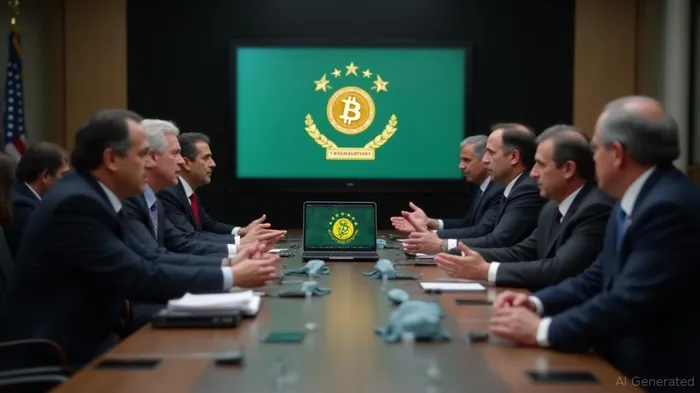
Pakistan’s Minister of State for Crypto and Blockchain, Bilal Bin Saqib, recently engaged in high-level discussions with US digital assetDAAQ-- leadership, marking a significant step in advancing bilateral cooperation and unveiling ambitious Bitcoin infrastructure initiatives. The meetings, which took place during Saqib’s visit to the White House, focused on a range of topics including Bitcoin adoption, decentralized finance (DeFi) prospects, and potential partnerships to accelerate technological innovation and economic modernization in both countries.
Central to these discussions was Pakistan’s Strategic Bitcoin Reserve initiative, a pioneering effort to integrate Bitcoin into national financial frameworks. Saqib emphasized Pakistan’s commitment to becoming a global leader in digital assets, highlighting the country’s innovative regulatory and infrastructural approach. This initiative aligns with the broader agenda to establish the United States as a dominant force in digital asset policy and innovation.
Beyond diplomatic engagements, Saqib’s meetings extended to the White House Counsel’s Office, focusing on the legal intricacies of blockchain governance. Pakistan is proactively crafting a comprehensive regulatory environment to support its burgeoning crypto ecosystem. The establishment of the Pakistan Digital Assets Authority (PDAA) exemplifies this approach, tasked with overseeing licensing, regulation of exchanges, custodians, wallets, and DeFi platforms. This regulatory clarity aims to foster investor confidence and ensure compliance with international standards, positioning Pakistan as a secure and attractive destination for digital asset innovation.
Additionally, Pakistan’s strategic allocation of 2,000 megawatts of surplus electricity to power Bitcoin mining and AI data zones reflects a forward-thinking utilization of resources. This initiative not only addresses energy surplus management but also aims to stimulate job creation and infrastructure development, integrating digital productivity into the national economy.
Despite these ambitious plans, the International Monetary Fund (IMF) has expressed reservations regarding Pakistan’s decision to dedicate substantial electricity resources to Bitcoin mining and AI data centers. In the context of ongoing financial negotiations and persistent energy shortages, the IMF has requested urgent clarifications from Pakistan’s Ministry of Finance. Their concerns focus on the legality and economic prudence of such allocations amid fiscal pressures and energy constraints.
This scrutiny highlights the delicate balance Pakistan must maintain between fostering innovation and managing macroeconomic stability. The dialogue with international financial institutionsFISI-- underscores the importance of transparent policy frameworks and sustainable resource management as Pakistan advances its digital asset agenda.
Pakistan’s concerted efforts to integrate Bitcoin into its economic infrastructure, coupled with strategic partnerships with US digital asset authorities, signal a transformative period for the country’s financial landscape. By establishing regulatory bodies like the PDAA and committing to energy-efficient crypto mining, Pakistan is laying the groundwork for a resilient and innovative digital economy.
Stakeholders and investors are encouraged to monitor these developments closely, as Pakistan’s approach may serve as a model for emerging markets seeking to harness blockchain technology responsibly and effectively. While challenges remain, particularly regarding energy allocation concerns raised by the IMF, the country’s proactive stance positions it as a noteworthy player in the global blockchain ecosystem. Continued collaboration and transparent governance will be critical as Pakistan navigates this complex yet promising frontier.

Stay ahead of the market.
Get curated U.S. market news, insights and key dates delivered to your inbox.






Comments
No comments yet