
Pakistan's Stock Market Plummets 7.3% Amid India Tensions
Tensions between India and Pakistan escalated significantly over the past two days, with both nations engaging in military confrontations that resulted in the downing of drones and missiles over several densely populated cities. This development follows a deadly attack in the disputed Kashmir region last month, which has heightened concerns about the potential for further escalation between the two nuclear-armed countries.
Pakistan's military spokesperson announced on Thursday that multiple Indian drones were shot down over major cities, including Lahore, Rawalpindi, and the outskirts of Karachi. In response, India's defense ministry issued a statement claiming that its forces had thwarted attempts by Pakistan to launch drone and missile strikes on military targets in western and northern India over the past two days.
This military standoff has raised alarms about the possibility of further escalation between the two nations. The heightened tensions have led to significant disruptions, with India suspending flights at over 25 airports and reports of at least 16 fatalities along the border. The situation has also prompted India's Prime Minister Narendra Modi to convene a high-level meeting with senior officials to assess the country's preparedness and emergency response mechanisms.
The current conflict traces back to an April 22 attack in the Indian-administered region of Jammu and Kashmir, where armed militants killed 26 civilians. India has labeled the incident a terrorist attack and accused Pakistan of involvement, a claim that Islamabad has denied. The latest round of hostilities began on Wednesday when India conducted airstrikes on nine targets within Pakistan, which it claimed were terrorist training camps. Pakistan reported that the strikes resulted in the deaths of 31 civilians, marking the deepest incursion by India into Pakistani territory since 1971.
Pakistan's military claimed on Wednesday that it had shot down five Indian aircraft, although it provided no evidence to support this assertion, and India has not confirmed the report. On Thursday, Pakistan announced that it had downed an Israeli-made Harop "suicide drone" from India, a type of drone capable of carrying explosives and self-destructing upon impact with a target.
In response to questions about the downed aircraft, India's Foreign Secretary Vikram Misri stated that relevant information would be released at an appropriate time. When asked about India's stance on the International Monetary Fund's (IMF) loans to Pakistan, Misri indicated that India's representative to the IMF would clarify the country's position during a board meeting on Friday. He added, "For those who have generously provided aid to Pakistan, the situation should now be clear."
India's defense ministry reported that on Thursday morning, its forces targeted and destroyed multiple Pakistani air defense radars and systems. The ministry described India's response as being on par with Pakistan's actions in terms of intensity and scale. The ongoing conflict has led to significant disruptions, with India suspending flights at over 25 airports and reports of at least 16 fatalities along the border.
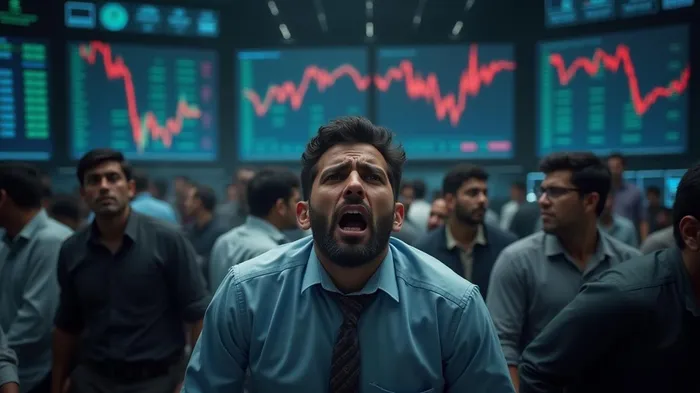
The escalating tensions have also had an impact on financial markets, with Pakistan's stock market experiencing a significant decline on Thursday. The KSE-30 index fell by 7.3%, marking its largest single-day drop since the outbreak of the pandemic. The situation has raised concerns among investors, with analysts warning that the lack of a ceasefire or diplomatic breakthrough could prolong the tense atmosphere.
India's financial markets were also affected, with the Nifty 50 index dropping by 0.6% and the rupee depreciating by more than 1% against the US dollar, its largest intraday decline in three years. Bond yields also reversed earlier gains. Analysts noted that while geopolitical risks have been factored into the assessment of Indian assets, past experiences suggest that the impact of Indo-Pakistani conflicts on India's financial markets is often limited and short-lived.
India's External Affairs Minister S. Jaishankar, during a meeting with Iran's Foreign Minister Mohammad Javad Zarif, emphasized that India does not seek to escalate the situation but will respond to any attacks. Major global powers, including the United States, have called for restraint from both nations. US President Donald Trump described the current conflict as "very bad" and expressed hope that the two countries could resolve their differences independently. He added that he would be willing to intervene if needed.

Stay ahead of the market.
Get curated U.S. market news, insights and key dates delivered to your inbox.


AInvest
PRO
AInvest
PRO



Comments
No comments yet